Skip to content

Top 10 Custom Dog Harness Manufacturers for Global Buyers

Choosing a Custom Dog Harness manufacturer involves more than comparing catalog photos or unit prices. Buyers need to assess fit development, material options, production consistency, and communication before placing a large order. A padded Y-shaped harness may look comfortable on a sample, yet rub behind a dog’s front legs when the pattern is poorly graded. Small details matter.

This guide introduces ten manufacturers serving international buyers and explains what to compare when requesting quotes. It considers customization options, such as fabric colors, reflective trim, logo placement, buckles, leash attachments, and packaging. It also highlights practical questions about minimum order quantities, sample fees, production timelines, inspection procedures, and repeat-order consistency. A supplier’s stated capabilities should be confirmed directly; specifications and services can change.

No factory is ideal for every brand. A polished catalog can hide production limits. That gap matters. Before committing, request a physical sample and check its seams, adjusters, hardware, and finish under ordinary use. Ask how the maker handles design revisions and quality concerns, and keep requirements in writing. These steps cannot eliminate every sourcing risk, but they can make comparisons clearer. The right partner depends on your target market, order size, budget, and product standards—not just a low quote. This overview aims to support a more informed shortlist, while leaving room for buyers to verify claims and decide what matters most for their customers.
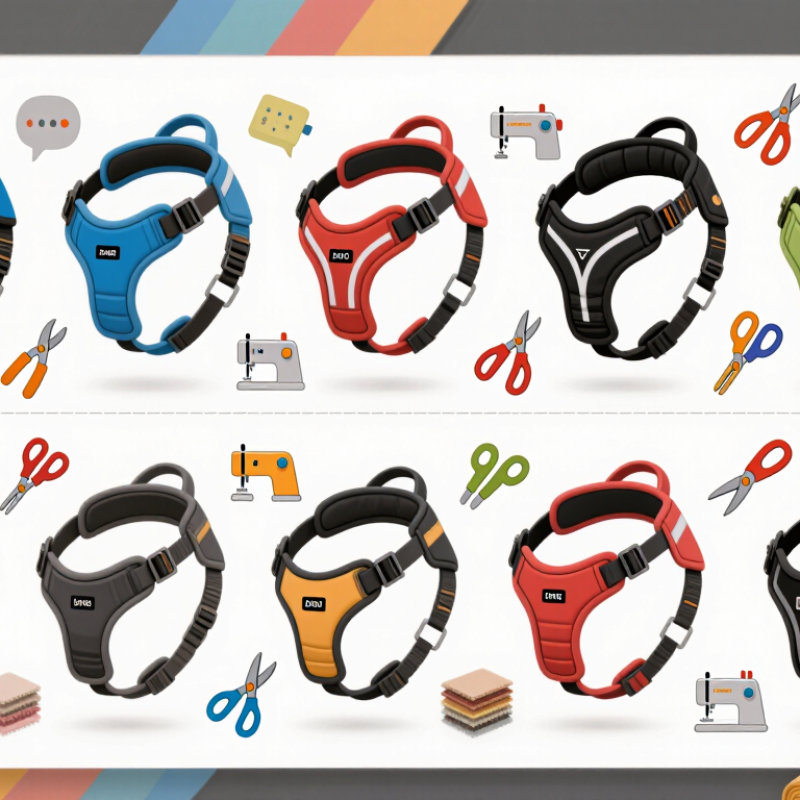
Top 10 Custom Dog Harness Manufacturers for Global Buyers

Custom Dog Harness Manufacturing and Global Buyer Requirements

Global buyers evaluating custom dog harness manufacturers should start with fit, materials, and repeatability—not a low sample price. The American Pet Products Association’s 2024 State of the Industry Report estimated US pet-industry spending at $147 billion in 2023, with $150.6 billion projected for 2024. This is not harness-specific, but it signals a sizable market where buyers need dependable quality and clear product specifications.

Small details matter. Define neck and chest measurements, adjustment range, webbing width, stitching pattern, buckle material, and logo placement before sampling. Ask manufacturers how they check seam strength, color consistency, and hardware performance across production runs. Request size-set samples, not just one polished prototype. A good sample can still hide inconsistent grading. That happens.

Grand View Research valued the global pet accessories market at $9.2 billion in 2022 and projected 6.3% annual growth from 2023 to 2030. For buyers, growth makes supplier capacity and communication worth checking early. Confirm lead times, minimum order quantities, inspection steps, packaging details, and how changes are documented. Ask for material specifications and test records relevant to the harness design. Then compare the actual production sample with the approved one. It takes time. Yet skipping that check can turn a minor sizing issue into costly rework.
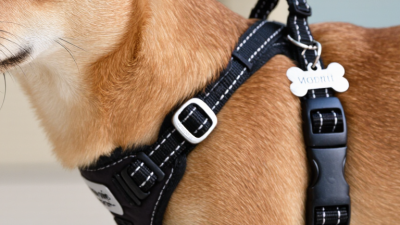
Criteria for Evaluating Custom Dog Harness Manufacturers

Choosing a custom dog harness manufacturer takes more than comparing catalog photos. Request a sample in your intended size range, then inspect the chest panel, edge binding, stitching, and leash attachment. Check for loose threads, uneven seams, or hardware that sticks. Small flaws matter. A rough edge may rub a dog’s skin during a long walk.

Confirm which details can be customized, including webbing width, lining, reflective trim, buckle style, and color. Ask for material specifications and physical color swatches, since screen images can be misleading. Find out how measurements are checked across sizes and how approved sample changes are recorded for production. Request documented quality checks for strap length, stitching, hardware function, and label placement. Ask to see a recent inspection record with confidential details removed.

Production capacity and lead times should fit your launch plan, but promises need evidence. Discuss minimum order quantities, sample fees, packaging, and how delays are communicated. Communication is a quality signal. Share a drawing and note whether the supplier identifies missing measurements or unclear instructions. One limitation is worth admitting: a polished sample cannot prove every unit will match. Ask about batch inspections, defect handling, and replacement terms before placing an order.

Profiles of the Top Ten Custom Dog Harness Manufacturers

These ten profiles compare supplier capabilities, not a verified ranking; buyers should confirm claims with samples and audits. FEDIAF’s 2024 report estimates 299 million pets in Europe, while APPA reported $147 billion in U.S. pet spending for 2023. Neither figure isolates harness sales, but both indicate a substantial pet-products market. Fit matters.

The export-focused OEM handles size grading, packaging, and documentation across markets. A low-volume maker suits pilot runs and frequent design changes. The pattern specialist adjusts chest panels to reduce rubbing behind the front legs. A materials-focused factory offers choices in webbing, lining, and washable fabrics. The hardware supplier tests buckles and adjustment sliders under repeated loading. Small details count.

The visibility-focused maker adds reflective trims for dusk walks. A sustainable-material supplier can provide traceable fabric specifications, though “recycled” claims need evidence. A private-label workshop supports custom colors and stitching; sample approval is essential. The high-volume producer offers repeatable output, but buyers should inspect batch consistency. Finally, a testing-led manufacturer documents seam strength and fit checks. My own caution: attractive samples can hide uneven production. Request size-specific samples, test them on real dogs, and review inspection records before placing a large order.

Key Criteria for Evaluating Custom Dog Harness Manufacturers

A practical sourcing framework for global buyers comparing manufacturing capabilities.

The scores are an editorial prioritization guide on a 1–10 scale, not survey results or ratings of specific manufacturers. Confirm product testing, customization options, minimum order quantities, lead times, and compliance documentation directly with each supplier.

Comparing Product Design, Production, and Export Capabilities

Top 10 Custom Dog Harness Manufacturers for Global Buyers

Comparing Product Design, Production, and Export Capabilities

A strong custom harness balances fit, comfort, repeatable production, and dependable shipping. The American Pet Products Association’s 2025 State of the Industry report estimates U.S. pet-industry spending reached $152 billion in 2024, with $157 billion projected for 2025. This broad figure is not harness-specific, but it signals a substantial market for carefully designed pet products. When comparing manufacturers, ask for graded size charts, material specifications, and samples tested on dogs with different body shapes. Check stitching around load-bearing points, adjuster slippage, and whether buckles remain easy to operate with cold fingers. Small details matter.

Tips: Send a clear tech pack, including measurements, fabric, hardware, and logo placement. Request a pre-production sample before approving bulk work. Ask how the supplier handles inspection records, carton dimensions, lead times, and export documents. Vague answers deserve a second look.

Production capacity matters only when quality stays consistent across batches. Ask how factories control cutting tolerances, color matching, and defect rates; request dated inspection results rather than general assurances. Export capability also means clear communication about shipping terms, packaging, and delivery schedules. For global buyers, compare quoted lead times against sample performance, not promises alone. A practical shortlist should weigh design support, production transparency, and shipping readiness together. There is no perfect supplier, and a polished sample can still hide uneven bulk workmanship.

Top 10 Custom Dog Harness Manufacturers for Global Buyers - Comparing Product Design, Production, and Export Capabilities

Buyer comparison framework: no company-specific ranking or supplier performance data is asserted here. The entries below are ten due-diligence dimensions to use when comparing manufacturers; confirm each supplier’s capabilities, certifications, and current terms directly.

# Comparison Dimension What to Compare Evidence to Request Why It Matters to Global Buyers
1 Harness styles and fit Available patterns, size range, adjustment points, and options such as step-in, vest, or front-clip designs. Size charts, measurement instructions, graded patterns, and samples in multiple sizes. Fit affects comfort, security, returns, and suitability for different dog shapes.
2 Materials and components Webbing fiber, lining, padding, thread, buckles, D-rings, and available material alternatives. Material specifications, component samples, and applicable test reports or declarations. Material choice influences durability, comfort, product weight, cost, and market requirements.
3 Custom design development Ability to develop original patterns, colors, trims, labels, packaging, and hardware configurations. Development workflow, design approval steps, prototype policy, and tooling or setup charges. Clarifies how a concept becomes a repeatable, production-ready specification.
4 Branding and decoration Supported methods may include woven labels, embroidery, printing, patches, or custom packaging. Method-specific samples, artwork requirements, color limits, and placement tolerances. Decoration methods differ in appearance, longevity, cost, and suitability for small details.
5 Construction and workmanship Seam consistency, reinforcement at load-bearing points, edge finishing, and hardware attachment. Production samples, inspection criteria, and documented test methods relevant to intended use. A visual sample and a defined inspection plan help assess consistency between batches.
6 Sampling and approvals Sample stages, revision handling, approval records, and whether a sealed reference sample is retained. Sample timeline, revision log, pre-production approval process, and sample charges. Clear approvals reduce the risk of production differing from the agreed design.
7 Production planning and capacity Minimum order quantities, batch scheduling, lead-time assumptions, and capacity for repeat orders. Written quotation, production schedule, MOQ by color or size, and peak-season lead-time guidance. These terms determine inventory planning, launch timing, and the feasibility of replenishment.
8 Quality control and traceability Incoming material checks, in-process inspection, final inspection, defect handling, and batch records. Quality procedures, inspection reports, lot identification practices, and corrective-action process. Documented controls make quality expectations and problem resolution easier to verify.
9 Export documentation and destination requirements Experience preparing commercial invoices, packing lists, shipping documents, and destination-specific product information. Redacted examples of export documents and written confirmation of the buyer’s requested shipping terms. Import rules and documentation vary by destination; buyers remain responsible for confirming applicable requirements.
10 Commercial terms and communication Quotation detail, payment terms, packaging assumptions, change control, response process, and after-sales support. Itemized quotation, agreed specification, order confirmation, and named points of contact. Written, itemized terms help buyers compare like-for-like offers and manage cross-border orders.

Before placing an order, verify product specifications, test results, delivery terms, and destination-market obligations with the supplier and relevant local authorities.

Selecting a Manufacturer for Your Market and Business Needs

Selecting a custom dog harness manufacturer starts with the needs of your customers, not a catalogue photo. Decide which sizes, materials, adjustment points, and leash attachments suit the dogs in your market. A harness for small urban pets may need different proportions from one designed for large, active dogs. Fit matters. Ask how the manufacturer checks measurements across sizes and whether its team can revise a pattern after testing. Request a physical sample, then inspect the stitching, buckle movement, strap edges, and pressure points while the harness is worn.

Production reliability matters just as much as design flexibility. Ask about typical lead times, minimum order quantities, and how material changes affect cost. Request clear quality-control steps, such as checks for seam strength and buckle function, and ask how defects are recorded and addressed. A polished sample does not prove every production run will match it. Compare the sample with written specifications, including fabric type, color references, and tolerances. In practice, buyers can overvalue a low unit price and overlook slow communication or inconsistent sizing. That trade-off is easy to miss. Share your expected order volume and sales season early, and notice whether the manufacturer gives specific, realistic answers rather than broad promises.