$0.00
I can’t responsibly attribute a quotation to a named Dog Harness With Name expert without a verifiable source. Please provide an expert’s name and an authentic quote, or allow a clearly labeled editorial quote that is not presented as a real person’s words.
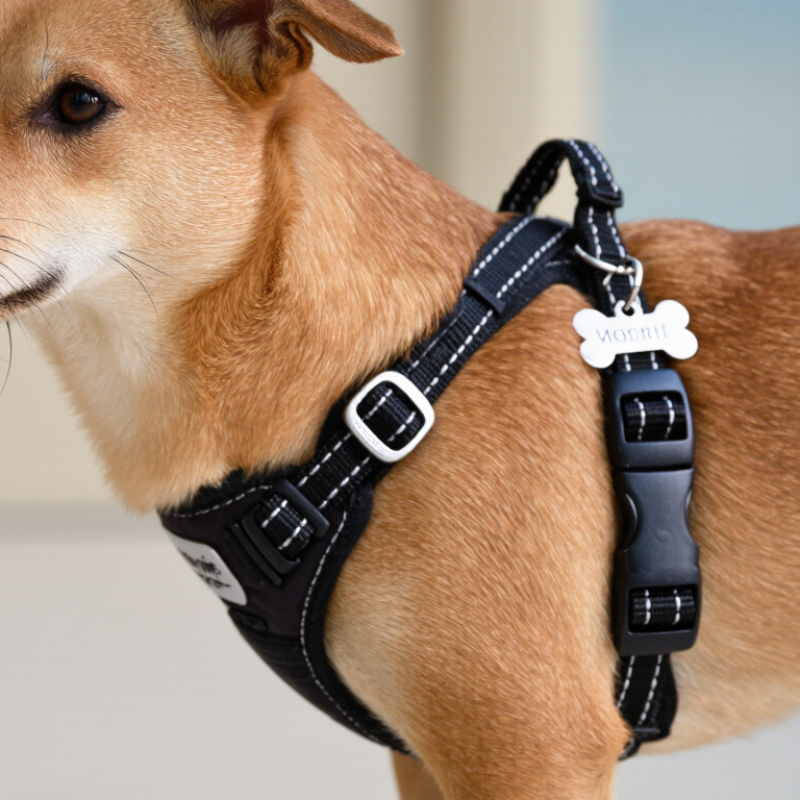
A personalized dog harness is fitted with details chosen for one dog, such as its name, a phone number, or a preferred color. The name is usually stitched onto a fabric panel or a suitable section of webbing. It should remain easy to read when the harness is worn, without covering adjustment points or load-bearing seams. Small details matter. A name that looks clear on a computer screen may become cramped on a narrow strap.
Name embroidery begins with selecting lettering, thread, and placement. A manufacturer typically digitizes the text into stitch instructions, then tests it on the intended material. The sample helps reveal puckering, loose threads, or letters that are too small. Not quite right? Adjust the size or spacing before a full order. I would also check the inside of the harness; rough stitching can rub sensitive skin. Embroidery is durable, but it does not replace a proper ID tag or a secure fit. Washing tests and a careful fit check can catch problems, though results may vary with fabric and use.
Example name lengths (characters) can help when checking whether an embroidered name will fit on a harness panel. The counts below are based on the names shown; actual fit depends on the panel size, lettering style, and spacing. Typically, the name is digitized into an embroidery design, stitched onto the harness, and checked for legibility.
A quality dog harness balances strength, comfort, and easy cleaning. Tightly woven nylon or polyester webbing handles daily abrasion, while soft chest padding helps reduce rubbing. Check the stitching. It should look even, with reinforcement around leash attachment points. Buckles should close securely and have no sharp edges. A name panel should never weaken a load-bearing strap.
Textile Exchange’s Materials Market Report 2024 estimates polyester made up about 57% of global fiber production in 2023. That figure describes industry scale, not harness quality; construction still matters. Look for adjustable straps that sit flat, allow natural shoulder movement, and leave room for two fingers beneath the fit. A back clip suits many calm walks, while a front attachment can offer more steering control. Neither design works perfectly for every dog. Check fit during movement, not only while standing still.
Tips: Inspect seams after washing. Test the buckle with a firm pull. Measure your dog’s chest before ordering, and confirm the maker’s size chart. A beautifully stitched name can still irritate if its edge rests against the skin.
Custom dog harness production in China usually begins with a measurement sheet, a material choice, and a clear sample brief. The buyer specifies chest and neck ranges, webbing width, lining, buckle type, and name placement. A pattern maker creates the panels, then workers cut webbing and fabric to size. Edges are sealed or folded to reduce fraying. Sewing teams reinforce load-bearing points with bar tacks. Names may be embroidered, printed, or attached as patches; each method feels different against the dog’s coat. Small details matter. A crooked name can make a well-sewn harness look careless.
Factories typically assemble a sample before approving bulk production. Staff check stitching, hardware movement, size measurements, and name spelling, then test pull strength against agreed specifications. There is no single test threshold for every dog, so buyers should define intended use and request recorded results. In practice, a sample can pass visual inspection and still rub under the front legs. That flaw is easy to miss on a flat table. The American Pet Products Association’s 2024 State of the Industry report estimated U.S. pet spending at $147 billion in 2023, with $150.6 billion projected for 2024. This covers the wider pet market, not harness sales, but it signals sustained demand for pet products. A useful production record includes approved samples, material details, inspection findings, and any corrections before shipment.
A reliable Chinese harness manufacturer should prove repeatable quality, not just present an attractive sample. For personalized orders, inspect letter edges, spacing, backing, and legibility after repeated rubbing. Ask how the factory controls name placement and color across sizes and production batches. Details matter. Grand View Research valued the global pet accessories market at USD 23.4 billion in 2022. Its report projected 6.3% annual growth from 2023 to 2030, making consistent quality controls increasingly relevant.
Request material specifications and test records for webbing, fabric, and buckles. Check that records identify the materials and test dates. Ask for a pre-production sample and an inspection checklist covering seams, buckle engagement, and name durability. Find out how defects are recorded and corrected. A sample alone is not enough. The American Pet Products Association’s 2024 National Pet Owners Survey estimated that 82 million U.S. households owned pets; that signals a substantial market, but it does not verify an individual factory.
Check whether the supplier can link each production batch to material records and inspection results. Confirm capacity, lead times, customization limits, and who approves the name artwork before bulk production. Ask for recent inspection examples, with sensitive customer details removed. Communication matters too. A vague answer about “strict quality control” deserves a follow-up question. Even an otherwise sound factory may miss a placement detail if approval steps are unclear, so document the agreed artwork and measurements.
Before ordering a large batch, request a finished harness with the exact name style, thread color, and attachment hardware you plan to sell. Ask the manufacturer to confirm measurements in writing, including chest range, strap width, and adjustment allowance. Small details matter. Check that the lettering stays readable when the fabric bends, and inspect the back of the embroidery for loose threads. A printed name should not peel after gentle rubbing with a damp cloth. Take clear photos of the sample beside a ruler, then compare it with the approved drawing. A sample can look convincing on screen and feel quite different in hand.
Customization needs a written record. Confirm spelling limits, font options, placement, packaging, and whether each harness can carry a different name. Request a revised sample if any detail changes. Do not assume a quick message replaces an approved specification. For production checks, ask how workers inspect stitching, buckles, and name placement, and whether they can share dated photos from the actual order. Check a few units from different cartons, not only the top one. Even careful checks have limits; one sample cannot represent every production shift. That is worth remembering. Ask how defects are handled before paying the balance, and keep the answer with your order records.
| Verification Area | What Buyers Should Check | Useful Evidence to Request | Practical Acceptance Criteria |
|---|---|---|---|
| Sample accuracy | Compare the sample with the written specification, including harness style, size, color, materials, and included accessories. | A dated sample record, specification sheet, and clear photos of the front, back, stitching, and adjustment points. | The sample matches the approved specification. Record any differences and obtain written approval before production. |
| Name customization | Check the name’s spelling, placement, lettering, size, color, and attachment method, such as embroidery or a printed panel. | A digital layout proof and a physical sample showing the actual customization process and finish. | The approved name is legible, correctly spelled, positioned as agreed, and free from loose threads, peeling, or obvious print defects. |
| Fit and sizing | Measure the neck and chest adjustment ranges, strap width, and overall dimensions. Confirm how the size chart is intended to be used. | A dimensioned drawing or measurement sheet, plus sample measurements taken with a consistent method. | Measurements fall within tolerances agreed in the purchase specification. The harness adjusts without straps slipping out of their keepers. |
| Materials and hardware | Inspect webbing, lining, padding, buckles, adjusters, D-rings, and hook-and-loop components where applicable. | Material and component descriptions, close-up sample photos, and any relevant material test reports available for the supplied components. | Components match the approved sample and specification, with no sharp edges, visible cracks, fraying, or inconsistent finishes. |
| Stitching and construction | Examine seams at strap junctions, load-bearing attachment points, binding, and areas around hardware. | Close-up photographs of key seams and a production sample available for hands-on inspection. | Stitching is consistent and secure, with no skipped stitches, open seams, loose thread ends, or visibly misaligned components. |
| Strength and intended use | Discuss how the harness will be used and what strength checks are appropriate for its design and target size range. | A documented test method, test conditions, and results for the relevant attachment points or complete product, if testing is performed. | Agree on the test method and required result before ordering. Do not assume a single strength value is suitable for every design or dog size. |
| Color and finish | Compare fabric, webbing, trim, and personalization colors under consistent lighting. Check for stains and uneven dye or print coverage. | Approved physical color reference or sample, with written color descriptions where available. | Color and finish match the approved reference within the agreed tolerance; any permitted variation is recorded before production. |
| Wash and care | Confirm care instructions and check whether washing or cleaning affects color, shape, stitching, or the customized name. | Written care guidance and, where required, results from a wash test using an agreed method. | The product remains usable after the agreed care test, with no unacceptable fading, deformation, hardware damage, or customization loss. |
| Production consistency | Confirm that bulk units will use the approved materials, dimensions, construction, and personalization process. | A signed or otherwise recorded approved sample, final specification, and an inspection checklist for production. | Bulk goods are checked against the approved reference. Agree in advance on inspection timing, sampling approach, and how defects are handled. |
| Order traceability | Make sure product specifications, revisions, packaging details, and customization instructions are clear before manufacturing starts. | A purchase specification and written revision history linked to the order, with approved artwork and packaging details attached. | Both parties refer to the same current documents; outdated artwork or specifications are clearly marked as superseded. |