$0.00
Choosing a Small Dog Harness is not merely about finding a cute pattern. It is about fit, movement, and dependable control. A harness that rubs behind the front legs can leave a red line after a short walk. One that sits too loosely may let a nervous dog back out near a busy street. Small details matter.
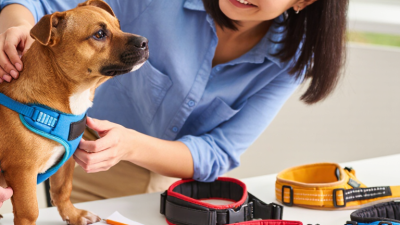
Veterinary behaviorist Dr. Sophia Yin’s low-stress handling principles offer a useful lens for evaluating harnesses. A practical fitting reminder for this guide is: “A harness should support comfortable movement, not restrict it.” This is a guide-specific summary, not a direct quotation from Dr. Yin. Check the maker’s sizing chart, then measure your dog’s chest and neck with a soft tape. Leave room for two fingers beneath the straps, but watch for twisting or slipping when your dog turns.
The list ahead compares comfort, adjustability, materials, and everyday safety features. We look for smooth edges, secure buckles, and straps that stay clear of the throat. No design suits every small dog. A broad-chested terrier and a delicate toy breed may need different shapes, even at similar weights. And a harness alone cannot replace patient leash training. That part takes time.
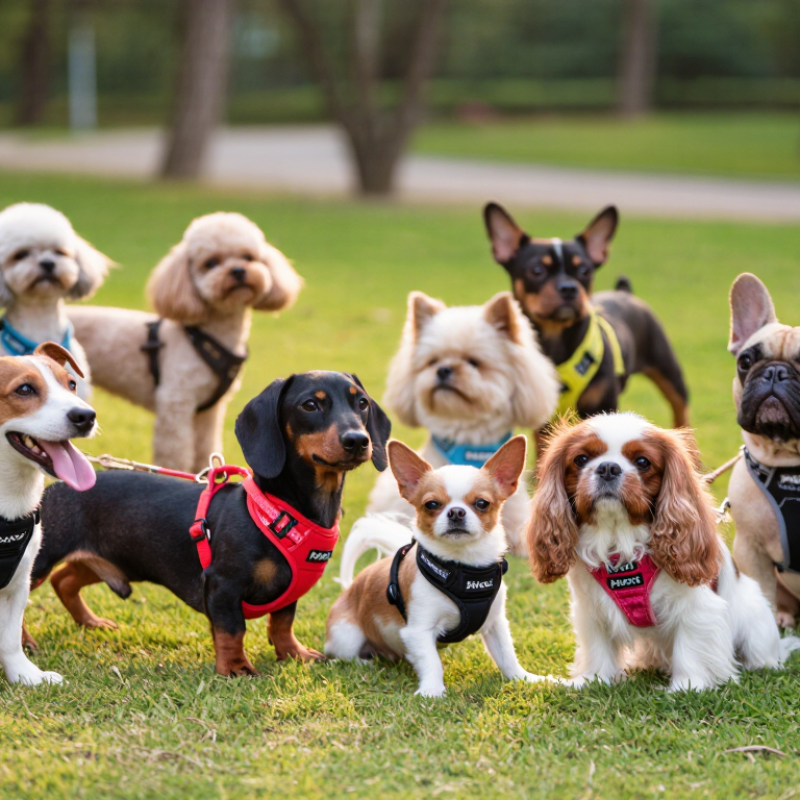
A small dog’s harness can spread leash pressure across the chest and shoulders instead of concentrating it on the throat. That can matter for dogs that cough, pull, or have delicate necks. A harness is not automatically safer, though; loose straps may let a dog back out, while tight edges can rub behind the front legs. Fit matters. You should be able to slide two fingers beneath the straps, but the harness should not rotate when gently tugged.
Veterinary research supports choosing attachment points carefully. In a 2006 study published in the Journal of the American Animal Hospital Association, Pauli and colleagues measured dogs’ intraocular pressure during leash tension. Collar pressure increased eye pressure; harness pressure did not produce the same rise. This finding is especially relevant for dogs with eye concerns, but it does not prove that every harness suits every dog. Watch how your dog moves. A stiff step or red patch is useful feedback, not something to ignore.
Tips: Measure the chest at its widest point and check the neck measurement too. Adjust straps while your dog stands naturally, then walk indoors for a few minutes. Look for rubbing under the front legs and gaps near the shoulders. For car travel, choose a harness specifically tested for vehicle restraint; a walking harness alone may not protect a dog in a crash.

When comparing small dog harnesses, start with fit, not appearance. Measure the chest at its widest point and check the maker’s sizing guide; weight alone can be misleading. A good harness should sit snugly without rubbing behind the front legs. You should be able to slide two fingers under the straps, though very tiny dogs may need a closer check. Fit matters most. Adjustable straps help accommodate narrow shoulders or a deep chest, but too many loose ends can snag or twist.
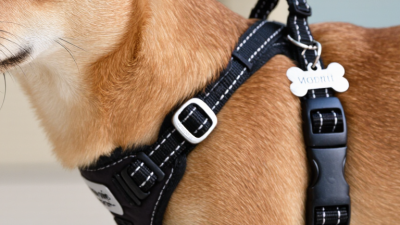
Look at how the harness spreads pressure. A Y-shaped front can leave room for shoulder movement, while some step-in designs may suit dogs that dislike having gear slipped over their heads. Neither shape works for every body. Notice whether the leash ring feels secure and sits where the dog’s movement will not pull it sideways. Soft, breathable fabric can help on warm walks; smooth seams and covered hardware reduce rubbing. Small details count. Reflective panels are useful near dusk, and washable materials matter after muddy paths. I’d also check whether buckles are easy to open with cold fingers. That seems minor, until it isn’t. Before a longer walk, test the fit indoors and watch for backing out, coughing, or red marks. A harness can look secure on a shelf and still shift on a moving dog.
A small dog harness should spread pressure across the chest, not rub the throat. The best ten options prioritize fit, breathable materials, secure stitching, and easy adjustment. A soft Y-shaped harness allows shoulder movement. A padded vest can cushion a narrow chest. A step-in design may suit dogs that dislike straps over their heads. An escape-resistant style offers extra coverage, but still needs a careful fit.
A lightweight mesh harness works well in warm weather, while a wrap-style option can feel snug without bulky hardware. A dual-clip harness gives leash-attachment choices. A front-clip design may help guide pulling, though it is not a substitute for training. Reflective trim improves visibility in dim light. A minimalist adjustable harness suits dogs that dislike extra fabric. Those are ten useful styles, not a guarantee that one will suit every dog.
Fit matters more. Measure the chest at its widest point and follow the maker’s sizing chart. You should be able to slide two fingers beneath the straps, without the harness shifting over the shoulders. Check for redness after a short walk, especially behind the front legs. A loose strap can snag; a tight one can chafe. Recheck the fit as your dog grows or changes weight. Even careful measurements can miss an awkward shape, so a calm indoor trial is worthwhile.
| Rank | Harness Style | Typical Construction | Adjustment and Closure | Leash Attachment | Comfort and Safety Considerations | Often Suited To |
|---|---|---|---|---|---|---|
| 1 | Adjustable Y-front harness | Front straps form a Y shape at the chest, with straps running around the torso. | Usually has adjustable neck and chest straps; buckle placement varies. | Commonly a back ring; some designs also include a front ring. | A correctly fitted Y-front design leaves the shoulders relatively free to move. Check that the chest piece does not press against the throat. | Everyday walks and dogs needing a flexible, adjustable fit. |
| 2 | Soft padded vest harness | Fabric panels cover more of the chest and sometimes part of the back, often with light padding. | Typically secured with one or more buckles or hook-and-loop panels, depending on construction. | Usually a back ring. | Soft panels can spread contact over a broader area, but a snug fit is important to limit rubbing and prevent escape. | Small dogs that prefer broad, soft contact around the chest. |
| 3 | Step-in harness | Two leg openings allow the dog to step into the harness before it is fastened over the back. | Often closes with a back buckle; adjustability depends on the design. | Usually a back ring. | Can be convenient for dogs that dislike equipment going over the head. Confirm that both leg openings sit comfortably and do not restrict movement. | Dogs that are more comfortable stepping into a harness. |
| 4 | Lightweight mesh harness | Breathable mesh forms the main body, with webbing or reinforced stitching at attachment points. | May use buckles, adjustable straps, or a combination of closures. | Usually a back ring. | Light materials can feel less bulky, but mesh and seams should be checked for rubbing, wear, and secure stitching. | Short walks and dogs that prefer a light, less bulky layer. |
| 5 | Dual-attachment harness | Generally uses a chest-and-torso harness body with reinforced attachment points. | Often includes adjustable straps and buckle closures. | Typically offers both front and back leash rings. | A front attachment can change the direction of leash pressure; it does not replace leash training or guarantee control. Check the hardware and stitching regularly. | Handlers who want a choice of leash attachment positions. |
| 6 | Overhead adjustable harness | Placed over the dog's head and fastened around the torso; styles range from narrow straps to padded panels. | Often provides several adjustment points and side buckles. | Commonly a back ring; some versions have an additional front ring. | Multiple adjustments can help fine-tune fit. The neck opening must be large enough to put on comfortably without being loose during use. | Dogs comfortable with a harness being put over their head. |
| 7 | Minimal strap harness | Uses narrow webbing rather than broad fabric panels, leaving more of the coat uncovered. | Usually has adjustable straps and one or more buckles. | Often a back ring. | Its low-bulk construction may suit dogs that dislike covered clothing. Strap placement and correct tension matter to avoid concentrated pressure or chafing. | Dogs that prefer minimal coverage and a lightweight feel. |
| 8 | Reflective walking harness | Uses reflective trim or panels on a harness body; the underlying shape can vary. | Closure and adjustment depend on the harness style. | Usually a back ring, with some designs offering additional attachment points. | Reflective details can help make a dog more visible when illuminated in low light; they do not provide lighting or replace a lead and supervision. | Walks near dawn, dusk, or in other low-light conditions. |
| 9 | Handle-back harness | Includes a short handle on the back, typically attached to a more structured harness body. | Usually secured with buckles and adjustable straps. | Commonly a back ring; attachment details vary. | The handle is intended for brief assistance, not lifting a dog unless the harness is specifically designed and rated for lifting. | Situations where a handler may need a brief, close hold. |
| 10 | Coat-compatible harness | Designed with strap routing or openings intended to work over or alongside a dog coat. | Usually uses adjustable straps and buckles; check that coat layers do not interfere with closure. | Commonly a back ring. | Extra layers can change fit. Recheck strap tension and ensure fabric or fasteners do not bunch under the harness. | Dogs wearing a coat in cold or wet weather. |
Fit note: Harness sizing varies by design. Measure the dog as directed by the maker’s size guide, check the fit after fastening, and ensure the harness is snug without restricting breathing or normal movement. A commonly used check is whether you can slide two fingers beneath the straps, but follow the harness maker’s specific fitting instructions.
A small dog’s weight is only a starting point; measure the body that will actually sit inside the harness. Use a soft tape around the widest part of the rib cage, just behind the front legs, and measure the neck where the harness will rest. Compare both numbers with the maker’s size chart. The Association for Pet Obesity Prevention’s 2022 survey estimated that 59% of U.S. dogs were overweight or obese, a useful reminder that weight alone may not predict chest shape. A chart can look reassuring, but it cannot show whether straps will rub under your dog’s armpits.
Choose a design that keeps pressure off the throat and leaves the shoulders free to move. After fastening it, check that you can slide two fingers beneath each strap, then watch your dog walk, turn, and sit. No pinching. No slipping. For a puppy, a recently groomed dog, or one whose weight is changing, check the fit again; yesterday’s adjustment may be wrong today. I would not trust a tidy size label over a real movement check. Even a well-fitted harness can feel strange at first, so try it indoors for a few minutes and look for rubbing, freezing, or repeated scratching before using it on a longer walk.
A small dog harness should sit securely without pressing against the throat or rubbing behind the front legs. Measure the chest at its widest point and the neck where a collar rests; record both numbers before checking the size chart. Charts are only guides. Two fingers should fit beneath the straps, but your dog’s shape matters more than a tidy measurement. Too tight? Loosen it. Too loose? A backward step may let a dog slip free. Try the harness indoors and watch for shortened strides, coughing, or red patches.
Recheck the fit as your dog’s weight or coat changes. The Association for Pet Obesity Prevention’s 2022 survey estimated that 59% of U.S. dogs were overweight or obese, a reminder that body shape can shift over time. That figure does not predict any individual dog’s fit. Look closely yourself. Before each walk, check buckles, stitching, and strap position; replace the harness if seams fray or a clasp fails to lock. After muddy outings, wash it according to its care label and let it dry fully before use. I still find that a quick tug test can miss a poor fit, so watch your dog move, turn, and sniff. A harness is not a substitute for supervision.
Adult weight ranges vary by breed and individual dog. Use weight as a rough guide only: measure your dog’s chest girth and check the harness sizing guide to find a secure, comfortable fit.
Ranges shown are typical adult breed-weight ranges in pounds; individual dogs may fall outside them. A correctly fitted harness should be snug without restricting movement or breathing.