Skip to content

How to Choose the Best Dog Coats for Your Business?

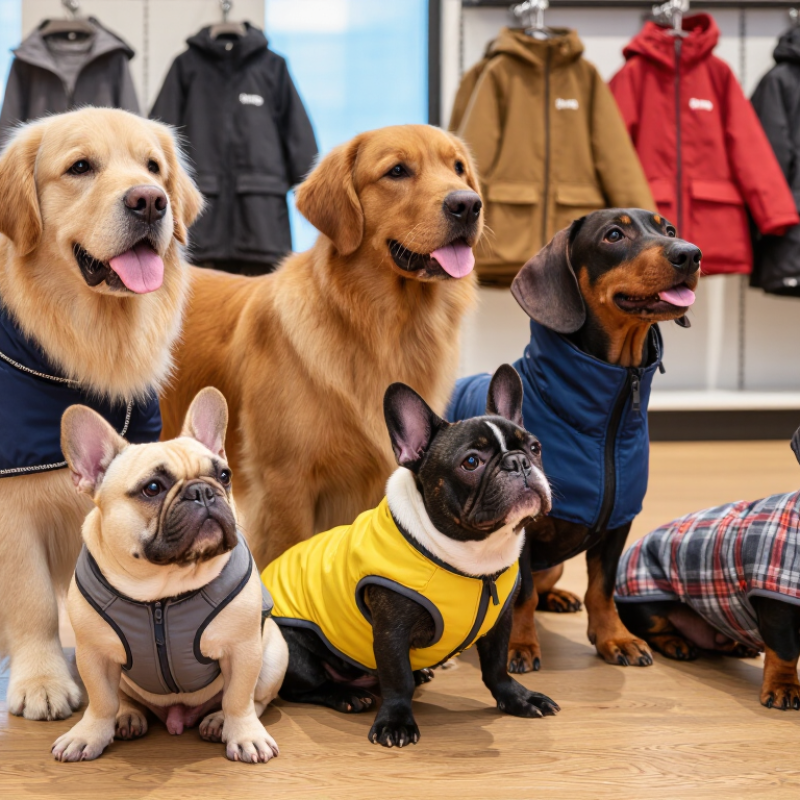
Choosing Dog Coats for a business requires more than selecting attractive colors and seasonal patterns. Buyers need products that fit real dogs, meet practical weather needs, and support reliable retail performance. The American Pet Products Association’s 2023–2024 National Pet Owners Survey reports that 66% of U.S. households own a pet, representing about 86.9 million households. This large customer base creates opportunity, but it does not guarantee demand for every coat design.

The APPA also reported U.S. pet industry spending of approximately $147 billion in 2023. That figure shows strong consumer commitment, yet clothing remains a specialized category within broader pet spending. Retailers should therefore study local climates, breed sizes, walking habits, and customer budgets before placing large orders. A waterproof coat may sell well in Seattle, while a lightweight reflective vest may suit a warmer urban market better. Small details matter. Zippers can catch fur. Poor sizing can increase returns.

Industry market reports, including Grand View Research’s analysis of the pet clothing market, indicate continued growth in pet apparel and accessories. However, forecasts are not guarantees. They can overlook local buying behavior, product quality, and changing consumer priorities. Experienced buyers should compare fabric performance, stitching, insulation, visibility, cleaning instructions, and supplier consistency. They should also request samples and test movement on different body shapes. A coat that looks excellent on a product page may restrict a short-legged dog. That mistake is easy to make. A thoughtful product strategy balances data with hands-on testing, transparent claims, and feedback from customers, groomers, and pet professionals.

How to Choose the Best Dog Coats for Your Business?

Understanding Your Business’s Dog Coat Requirements

Understanding Your Business’s Dog Coat Requirements

Choosing dog coats for a business starts with customers, not colors. The American Pet Products Association reported that 66% of U.S. households owned a pet in its 2023–2024 National Pet Owners Survey. That broad market still hides important differences. Small indoor dogs may need lightweight rain shells, while older dogs may require warmer, easier-to fasten layers. Begin with your sales region, typical weather, dog sizes, and customer use cases.

FEDIAF’s 2024 European Pet Population and Market report estimated 89.7 million dogs across Europe. This figure suggests meaningful demand, but it does not justify buying one universal design. Measure coat length, chest girth, neck size, and leg clearance across your target customer base. A practical range might include adjustable fasteners, reflective details, breathable lining, and space for harnesses. Keep closures away from chewing reach. Safety matters more than decoration.

Test before scaling inventory. Place sample coats on short-haired, long-haired, broad-chested, and nervous dogs. Watch for slipping shoulders, restricted steps, damp lining, or difficult handling. Our first sample looked attractive but trapped heat around the neck. That mistake was useful. It exposed a missing ventilation check. Record fit feedback after walking, sitting, and light rain. The data may challenge your original size plan. Recheck supplier measurements against real dogs, because published dimensions are not always consistent.

Evaluating Dog Coat Materials, Features, and Weather Protection

Choosing dog coats for a business requires more than attractive colors and low prices. Material selection should match the weather your customers face. A waterproof polyester shell helps during rain, while fleece offers warmth in dry, cool conditions. For freezing environments, insulated coats may provide better protection. However, thick insulation can restrict movement for small or active dogs.

Details matter in daily use. Look for sealed seams, adjustable chest closures, and secure belly coverage. Reflective panels improve visibility during darker walks. Soft lining can prevent rubbing around the neck and legs. Breathable fabric also matters because dogs can overheat during exercise. Always check the fit carefully. A coat should cover the back without pressing against the throat.

In product testing, I would examine coats after repeated washing, bending, and outdoor use. A zipper may work well in a showroom but fail with muddy fingers. Water resistance can also weaken over time. I once preferred a heavier coat because it felt more protective, but active dogs moved poorly in it. That changed my evaluation process. Comfort must be tested through movement, not appearance alone. Collect feedback from dog owners, groomers, and walking professionals. Their experience can reveal problems that laboratory checks miss. A reliable business range should include light rainwear, warm everyday coats, and stronger cold-weather options. Avoid promising complete protection, since weather, breed, age, and health all affect a dog’s needs.

Choosing Suitable Sizes, Fits, and Designs for Different Dogs

For a dog-coat business, size selection should begin with measurements, not breed labels. Measure the neck, chest, and back while each dog stands naturally. The chest is especially important because movement and breathing need room. A coat should sit flat without pressing behind the legs. Leave space for two fingers. It sounds basic, but it is often overlooked. The APPA 2023–2024 National Pet Owners Survey reported 65.1 million U.S. households owned dogs, revealing a wide range of body shapes and customer needs.

A narrow greyhound needs a different pattern from a broad bulldog. Adjustable straps, stretch panels, and belly gussets can support this variation. The Association for Pet Obesity Prevention estimated that 59% of U.S. dogs were overweight or obese in its 2022 survey. Therefore, offer flexible chest ranges rather than relying on standard breed sizes. Never make the coat tight around the ribs. Comfort matters more than a perfect silhouette.

Design should match weather and activity. Use lightweight, breathable fabrics for mild rain, and insulated layers for cold conditions. Reflective details can improve visibility during evening walks. Avoid loose cords near paws and mouths. Test sample coats on dogs with different coats, ages, and movement patterns. Watch them walk, sit, and climb stairs. No size chart is perfect. I would still expect returns. Customer fitting feedback can reveal pressure points that measurements miss. Seminars, veterinary guidance, and textile testing reports can strengthen product decisions and customer trust.

Comparing Suppliers, Customization Options, and Minimum Orders

Choosing the best dog coats for your business starts with a careful supplier comparison. Request fabric samples before discussing large orders. Check stitching around the neck, chest, and leg openings. A reliable supplier should explain fabric weight, water resistance, sizing tolerance, and production timelines clearly. Ask how defective items are handled. Written answers are safer than friendly promises.

Customization can make your collection more useful and recognizable. You may adjust colors, lining, reflective strips, closures, labels, and packaging. However, every extra detail can increase cost and production risk. Test a prototype on dogs with different body shapes. A coat that fits a small terrier may restrict a broad-chested dog. Measure movement, not just length. Some suppliers offer digital samples, but physical samples reveal stiffness, noise, and poor seam placement. Digital approval is not enough.

Minimum order quantities deserve equal attention. A low MOQ may suit a new business testing seasonal demand. A higher MOQ can reduce unit costs, but unsold winter stock can damage cash flow. Request separate MOQs for each color and size. Clarify whether mixed sizes count as one order. Delivery schedules also matter. Weather changes quickly. Late coats miss their selling window. My practical mistake was focusing on price before checking replacement terms. That decision looked efficient, but it created avoidable delays. A dependable supplier should support inspection records, consistent measurements, and realistic reorder planning. 񟿿

How to Choose the Best Dog Coats for Your Business?

Comparing supplier models, customization options, minimum orders, and typical lead times

Private-label manufacturers usually offer more customization but require higher minimum orders and longer production lead times. Ready-stock wholesalers are easier for testing demand, while OEM suppliers are better suited to established businesses planning larger seasonal collections. The figures shown are practical industry-planning benchmarks and should be confirmed with each supplier.

Checking Quality, Pricing, Compliance, and Customer Demand

How to Choose the Best Dog Coats for Your Business?

A good dog coat should feel comfortable before it looks attractive. Check stitching around the chest, neck, and leg openings. Pull each seam gently and inspect loose threads. Soft lining matters, but it must not shed easily. Water resistance is useful for rainy walks, while breathable fabric prevents overheating indoors. Customer demand often changes by season, dog size, and local weather. Review sales data, customer questions, and return reasons before choosing quantities. Bright colors may attract attention, but practical features usually support repeat purchases.

Pricing requires more than comparing supplier quotes. Include shipping, packaging, inspection, storage, and possible returns. A cheap coat can become expensive after frequent complaints. Compliance also deserves careful attention. Request clear material details, care instructions, size measurements, and relevant safety test records. Avoid coats with detachable parts that could create avoidable risks. Requirements can vary by market, so verify current rules with qualified local advisers. Do not rely only on a supplier’s verbal promise.

Tips: Order samples in several sizes. Test them on different body shapes. Measure warmth, movement, and drying time. Ask real customers for feedback. Keep notes.

One imperfect sample should not decide everything. However, repeated weaknesses deserve action. I would rather delay a large order than fill a warehouse with uncomfortable coats. Customer trust is difficult to repair once poor quality becomes noticeable.

How to Choose the Best Dog Coats for Your Business? – Checking Quality, Pricing, Compliance, and Customer Demand

Use the following benchmark table to compare dog-coat suppliers and product specifications. Price ranges are indicative wholesale benchmarks in USD per unit, excluding taxes, freight, customization, and import duties.

Evaluation Dimension Data Point Practical Benchmark Why It Matters Recommended Business Decision Priority
Product Construction Outer-shell fabric Choose tightly woven polyester or nylon with a water-resistant finish; confirm fabric weight, weave, and abrasion performance through samples. A durable shell helps reduce tearing, surface wear, and returns caused by poor weather resistance. Approve only after physical sample inspection and a documented fabric specification. High
Weather Protection Water resistance Request a test report or supplier procedure showing resistance to light rain. For premium products, specify a waterproof membrane or taped seams where appropriate. Customers commonly buy coats for rain, snow, wind, or cold-weather walks, so performance must match the product description. Use accurate claims such as “water-resistant” unless waterproof performance has been verified. High
Thermal Performance Insulation type Common options include fleece lining, polyester padding, or quilted insulation. Match thickness to the intended climate and activity level. Over-insulation can cause overheating, while insufficient insulation can create dissatisfaction in cold-weather markets. Offer separate light, midweight, and insulated models instead of using one thickness for every season. High
Fit and Sizing Size range and measurement method Provide back length, chest girth, and neck girth in centimeters or inches. Include a measurement diagram and a tolerance of approximately ±1–2 cm where applicable. Incorrect sizing is a major source of returns, especially when breeds have different body shapes. Test samples on multiple body types and publish a clear size chart rather than relying only on weight ranges. High
Fit and Sizing Adjustability Prefer adjustable chest, neck, or belly areas using secure hook-and-loop fasteners, elastic sections, snaps, or buckles. Adjustability improves fit across mixed-breed dogs and reduces pressure points during movement. Check that adjustment parts do not rub the skin or create accessible loose components. High
Safety and Comfort Hardware and attachment points Inspect buckles, zippers, snaps, leash openings, and stitching. Perform repeated opening, closing, pulling, and flexing checks. Weak hardware or exposed edges can cause product failure, discomfort, or safety complaints. Require pre-production samples and a written inspection checklist before bulk production. High
Safety and Comfort Reflective visibility Consider reflective piping, panels, or printed elements for products marketed for night walking. Verify placement and durability after washing. Visibility features can increase perceived value and support safer low-light use, although they do not replace a leash or light. Use reflective details as a product feature only when they remain attached and visible after care testing. Medium
Materials and Care Odor, colorfastness, and skin contact Check for strong chemical odor, color transfer, loose fibers, and rough seams. Request colorfastness and restricted-substance documentation where required. Dogs wear coats close to their skin, and visible staining or odor can quickly lead to complaints. Reject samples with persistent odor, sharp components, unstable dye, or unfinished seams. High
Care Requirements Washability Prefer clear care instructions, machine-washable construction where suitable, and materials that retain shape after repeated washing. Easy-care products are more attractive to owners and help maintain performance during regular use. Conduct at least one documented wash-and-dry cycle before approving final labeling and packaging. High
Quality Control Inspection standard Define acceptable limits for stains, skipped stitches, uneven seams, broken hardware, incorrect labels, and measurement deviations. A documented inspection standard makes supplier performance measurable and supports consistent purchasing decisions. Use pre-shipment inspection with agreed acceptance criteria and retain inspection records. High
Wholesale Pricing Indicative unit-cost tiers Basic lightweight coats: approximately US$4–10; mid-range lined coats: approximately US$8–18; premium technical or heavily insulated coats: approximately US$15–35+. Cost varies with fabric, insulation, trims, construction, order volume, testing, packaging, and customization. Compare total landed cost, not only factory unit price. Request the same specification from every supplier. High
Wholesale Pricing Order quantity and tooling Confirm minimum order quantity, size-color ratio, sample fees, logo setup fees, packaging charges, and reorder terms before negotiation. Low unit pricing may be offset by high minimums, setup charges, or excess inventory risk. Begin with a smaller market test when demand is uncertain, even if the initial unit cost is higher. High
Compliance Textile and fiber labeling For markets with textile-labeling rules, identify fiber content accurately and provide required care or country-of-origin information where applicable. Incorrect or missing labeling can create customs, marketplace, or consumer-protection issues. Review labels against the destination market before mass production. Required
Compliance Restricted substances Ask for relevant chemical-compliance declarations or laboratory reports for dyes, coatings, plastics, metal parts, and other materials. EU sales may require attention to REACH obligations. Coatings, dyes, adhesives, and hardware may contain substances restricted by the destination market. Maintain material declarations and test reports for every major component and production revision. Required
Compliance Product claims and packaging Support claims such as “water-resistant,” “reflective,” “warm,” or “machine washable” with product evidence and care instructions. Unsupported performance claims can increase legal exposure, marketplace removals, and refund requests. Use conservative, test-supported wording and keep claim substantiation on file. Required
Customer Demand Seasonal demand planning Demand is typically strongest before and during colder or wetter seasons. Plan sampling and replenishment early enough to cover production and shipping lead time. Late purchasing can result in missed seasonal sales, while excessive early buying can create leftover inventory. Use prior sales, weather patterns, search data, and preorder results to set seasonal quantities. High
Customer Demand Core product assortment Start with practical colors, a broad size range, and at least one lightweight rain option plus one warmer option. A balanced assortment addresses everyday use without tying too much cash to fashion-specific colors or complex designs. Test core colors first, then expand based on sell-through and customer feedback. High
Customer Demand Product differentiation Useful differentiators include inclusive sizing, easy fastening, packability, reflective details, washable materials, and accurate fit guidance. Functional benefits are easier to communicate and defend than superficial design differences. Prioritize features that solve a documented customer problem and do not compromise comfort. Medium
Supplier Reliability Lead time and reorder capacity Record sample lead time, production lead time, shipping time, response speed, and the supplier’s ability to repeat the same specification. Reliable reorders reduce stockouts and minimize variation between production batches. Use a written specification sheet and confirm lead times in every purchase order. High
Commercial Control Target margin and landed cost Calculate product cost plus packaging, freight, duties, payment fees, inspection, returns, and marketplace or sales-channel fees. A low purchase price does not guarantee profitability after logistics and customer-service costs. Set a maximum landed cost before selecting the supplier and review margin by size and style. High

Important: Regulatory requirements differ by destination, sales channel, materials, and product claims. Confirm applicable textile labeling, chemical-safety, packaging, customs, and general product-safety obligations with a qualified compliance professional before commercial launch.