$0.00
The pet accessory market is becoming more design-led, making Custom Dog Bandanas a practical wholesale opportunity for retailers, groomers, pet boutiques, and promotional brands. The American Pet Products Association reported that 65.1 million U.S. households owned a dog in its 2023–2024 National Pet Owners Survey. APPA also valued U.S. pet industry spending at $147 billion in 2023. These figures suggest strong demand, but demand alone does not guarantee a profitable product line.
Wholesale buyers need products that look attractive on a retail hook and perform during everyday walks. A soft cotton bandana, for example, should remain comfortable around a dog’s neck after repeated washing. Clear sizing matters too, because a small terrier and a broad-chested Labrador need different fits. The Global Pet Expo and related buyer reports continue to highlight personalization, seasonal design, and functional pet products as important retail themes. Those trends support careful investment in Custom Dog Bandanas with reliable printing, stable color quality, and flexible minimum order quantities.
Still, not every attractive sample deserves a purchase order. Some fabrics wrinkle quickly. Some printed edges fade after only a few washes. That is easy to miss. Experienced buyers should request pre-production samples, inspect stitching, test colorfastness, and confirm packaging dimensions before placing larger orders. Suppliers should also provide clear material details and production timelines. This guide reviews seven strong Custom Dog Bandanas for wholesale buyers, comparing design appeal, fabric performance, customization options, pricing practicality, and repeat-order reliability. The ranking is useful, but not perfect; supplier performance can change between seasons, so ongoing quality checks remain necessary.
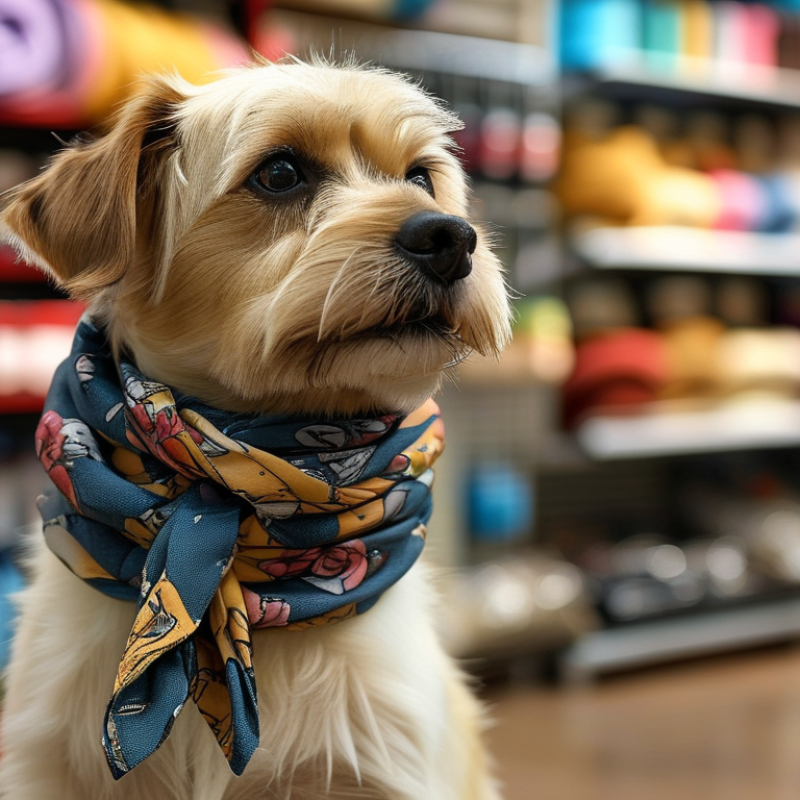
Custom dog bandanas serve different retail and promotional needs. Cotton bandanas feel soft and suit everyday pet boutiques. Polyester styles resist wrinkles and work well for outdoor events. Reversible designs offer two printed sides, helping retailers create more outfit choices.
Tie-on bandanas provide a classic look, while snap-button versions improve fitting speed in busy stores. Reflective fabric can support evening walking products, although visibility depends on lighting and product placement. Sublimated bandanas allow detailed patterns, making them useful for seasonal collections, shelters, and community events. Triangle, square, and collar-slide styles also serve different dog sizes and customer preferences. Small sizes should not be treated as universal.
Tips: Request physical samples before placing a wholesale order. Check stitching, edge finishing, color consistency, and size measurements. Test the closure on several dog breeds, not just one model. Confirm whether the fabric remains comfortable after washing. In my sourcing experience, a bright print can attract buyers, but poor stitching quickly damages repeat sales.
Wholesale buyers should match each bandana type with its sales setting. Cotton works for daily wear, while printed polyester suits campaigns and festivals. Reversible products may reduce display space, but they can cost more per unit. Reflective materials need clear product descriptions to avoid exaggerated expectations. A practical assortment often combines affordable basics with a few premium designs. Some buyers overvalue appearance and overlook packaging, which remains an easy mistake to make.
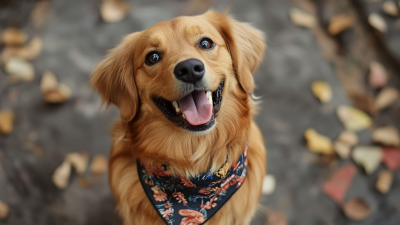
Wholesale buyers should compare fabric before comparing artwork. Cotton feels soft and photographs well, while polyester dries faster after muddy walks. A blended fabric may offer balance, but it can feel less natural against a dog’s neck. Check fabric weight, colorfastness, and shrinkage after washing. Small test washes reveal problems that product photos hide.
Fit is equally important. Measure the neck area, not the dog’s head. Adjustable snaps or ties can serve several size ranges, but loose ties may catch during outdoor activity. Reinforced edges reduce fraying, especially around active dogs. Inspect the stitching closely. Uneven seams often signal weak quality control. Printing should remain clear after repeated washing, and light fabric may show colors more accurately than dark fabric.
Wholesale consistency matters as much as appearance. Request a physical sample, size chart, wash instructions, and a clear production timeline. Compare the approved sample with later batches, because color variation can occur between production runs. Ask about minimum order quantities and replacement handling for damaged pieces. I have seen attractive samples fail during bulk inspection. That was a useful reminder: a low unit price cannot repair poor sizing or unreliable stitching. Packaging also deserves attention, since folded bandanas may arrive creased or damp after long transport.
Key Features to Compare When Selecting Custom Dog Bandanas
The chart compares seven practical bandana size profiles by typical adjustable neck coverage. These planning ranges help wholesale buyers match product sizing with different dog breeds while evaluating fabric, printing area, closure design, and packaging requirements.
Wholesale buyers need dog bandanas that balance comfort, durability, and production cost.
Seven practical choices include cotton, polyester, canvas, bamboo blends, mesh, reversible styles, and reflective fabric. Cotton feels soft and suits everyday wear. Polyester handles repeated washing and supports bright sublimation printing. Canvas offers a sturdier, premium appearance, but it may feel heavy on small dogs. Bamboo blends are comfortable, though their performance can vary between suppliers.
Size accuracy matters more than many buyers expect. Measure the neck area, then leave enough room for two fingers. Small, medium, and large sizes usually cover most customers, but adjustable snaps can reduce returns.
Triangle-cut bandanas suit casual retail displays, while over-the-collar designs stay secure during walks. For printing, screen printing works well for simple logos and larger orders. Heat transfer suits small runs and detailed artwork. Sublimation creates full-color designs on suitable polyester fabric. Embroidery looks distinctive, but dense stitching can irritate some dogs.
Tips:
Request physical samples before approving bulk production. Check stitching, edge finishing, color consistency, and wash results. Print a small test batch. It may reveal problems earlier. Ask suppliers for fabric weight, shrinkage data, and colorfastness results. Consider packaging too; folded bandanas can develop sharp creases. One detail I sometimes underestimate is odor after printing. Aired samples should smell neutral before shipping. Also, not every “eco” fabric performs equally, so verify the fiber composition instead of trusting the label alone.
7 Best Custom Dog Bandanas for Wholesale Buyers
How to Evaluate Suppliers, Pricing, and Minimum Order Quantities
Wholesale buyers should compare suppliers through samples, not catalog photos alone. Request one printed bandana and inspect fabric weight, edge stitching, color accuracy, and snap strength. A breathable cotton blend may suit summer events, while polyester often handles repeated washing better. Samples matter.
Ask each supplier for clear pricing at several quantity levels, such as 50, 200, and 500 pieces. Unit prices can hide setup fees, mold charges, packaging costs, and shipping expenses. Calculate the landed cost per bandana before choosing the lowest quote. Cheap is not always efficient.
Minimum order quantities deserve careful negotiation. A supplier offering 1,000 pieces may provide a lower unit price, but unsold seasonal designs can tie up cash. Smaller trial orders reduce risk and reveal production consistency. Confirm lead times, replacement policies, print tolerances, and reorder conditions in writing. Keep records.
Communication is another quality signal. Reliable suppliers answer specific questions and provide measurable specifications. Delayed replies may create problems during urgent restocks. I once focused too heavily on unit price and overlooked individual packaging costs. That mistake changed my evaluation sheet. Still, estimates can be imperfect, especially when freight rates fluctuate. Leave room for those changes.
7 Best Custom Dog Bandanas for Wholesale Buyers
Seven Custom Dog Bandana Options for Wholesale Buyers can help retailers build a more practical assortment. The American Pet Products Association reported that U.S. pet industry spending reached $147 billion in 2023. That scale supports demand for visible, giftable accessories, but not every design deserves shelf space.
A cotton triangle bandana offers a familiar entry price and soft hand feel. A reversible bandana gives customers two patterns in one product. Waterproof polyester suits rainy walks and outdoor events. Reflective trim adds visibility during evening use, though it should not replace proper safety equipment. Seasonal prints can support holiday campaigns, while embroidered styles create a more premium appearance. An eco-focused option may use recycled fabric, but suppliers should verify material claims carefully.
Wholesale buyers should compare seven details before placing production orders: fabric weight, colorfastness, stitching, size range, customization method, packaging, and reorder speed. The International Trade Centre’s textile guidance emphasizes consistent specifications and supplier verification across textile purchasing. Ask for wash-test images, not only polished samples. A small logo can disappear on a busy print. Oversized graphics may also fold awkwardly around a dog’s neck. These are easy mistakes to miss.
Grand View Research has reported continued growth in pet clothing and accessory demand, but market forecasts remain estimates. Test two or three designs before committing to deep inventory. Better data usually comes from actual sell-through.
| Option | Recommended Use | Typical Material | Common Sizes | Closure Style | Customization Method | Typical Wholesale MOQ | Estimated Production Lead Time | Care Instructions | Wholesale Advantages |
|---|---|---|---|---|---|---|---|---|---|
| 1. Cotton Tie-On Bandana | Everyday retail collections and seasonal promotions | 100% cotton, approximately 120–180 gsm | Small: 45 × 30 cm Medium: 55 × 38 cm Large: 70 × 48 cm |
Two long ties | Screen printing, heat transfer, or embroidery | 100–300 pieces | Approximately 15–25 working days after artwork approval | Machine wash cold; air dry recommended | Breathable, economical, easy to fold, and suitable for broad size ranges |
| 2. Reversible Cotton Bandana | Two-in-one product lines and coordinated pet accessories | Two layers of lightweight cotton or cotton-blend fabric | Small: 45 × 30 cm Medium: 55 × 38 cm Large: 70 × 48 cm |
Two long ties | Double-sided screen printing, woven labels, or embroidery | 150–300 pieces | Approximately 20–30 working days | Wash inside out on a gentle cycle; avoid high heat | Offers two visual designs in one item and increases perceived product value |
| 3. Polyester Sublimation Bandana | Full-color graphics, event merchandise, and promotional campaigns | Polyester, approximately 110–140 gsm | Small: 45 × 30 cm Medium: 55 × 38 cm Large: 70 × 48 cm |
Two long ties | Dye sublimation with edge-to-edge artwork | 100–250 pieces | Approximately 12–20 working days | Machine wash cold; do not use chlorine bleach | Supports detailed artwork, gradients, photographs, and repeat patterns |
| 4. Snap-Button Bandana | Premium pet boutiques and customers seeking adjustable wear | Cotton, polyester, or blended fabric with reinforced edges | Small: 38–48 cm neck range Medium: 48–60 cm Large: 60–75 cm |
Two or three plastic or metal snaps | Embroidery, screen printing, woven patches, or printed labels | 200–500 pieces | Approximately 20–30 working days | Close snaps before washing; use a gentle cycle | Adjustable fit, tidy appearance, and faster dressing than tie-on styles |
| 5. Personalized Embroidered Bandana | Gift shops, customized gifts, and name-based collections | Heavy cotton or cotton-linen blend, approximately 180–240 gsm | Small: 45 × 30 cm Medium: 55 × 38 cm Large: 70 × 48 cm |
Two long ties | Direct embroidery or embroidered name patch | 50–150 pieces per design | Approximately 20–35 working days | Hand wash or gentle machine wash; lay flat to dry | High perceived value and strong suitability for personalized gifting |
| 6. Reflective Safety Bandana | Outdoor, walking, camping, and nighttime pet-safety ranges | Polyester fabric with reflective trim or reflective printed panels | Small: 45 × 30 cm Medium: 55 × 38 cm Large: 70 × 48 cm |
Adjustable buckle, hook-and-loop closure, or tie-on design | Reflective heat transfer, screen printing, or contrast binding | 200–500 pieces | Approximately 25–35 working days | Hand wash recommended; do not iron directly over reflective areas | Functional positioning, visible detailing, and appeal for active pet owners |
| 7. Eco-Focused Recycled-Fabric Bandana | Sustainable product lines and environmentally themed retail programs | Recycled polyester or recycled cotton blend, approximately 130–180 gsm | Small: 45 × 30 cm Medium: 55 × 38 cm Large: 70 × 48 cm |
Two long ties or adjustable snaps | Water-based printing, embroidery, recycled labels, or woven patches | 200–500 pieces | Approximately 25–40 working days | Wash cold with similar colors; avoid fabric softener when specified by the fabric supplier | Supports sustainability-focused merchandising and responsible-material storytelling |