Skip to content

China Top Dog Treat Pouch Suppliers for Global Buyers

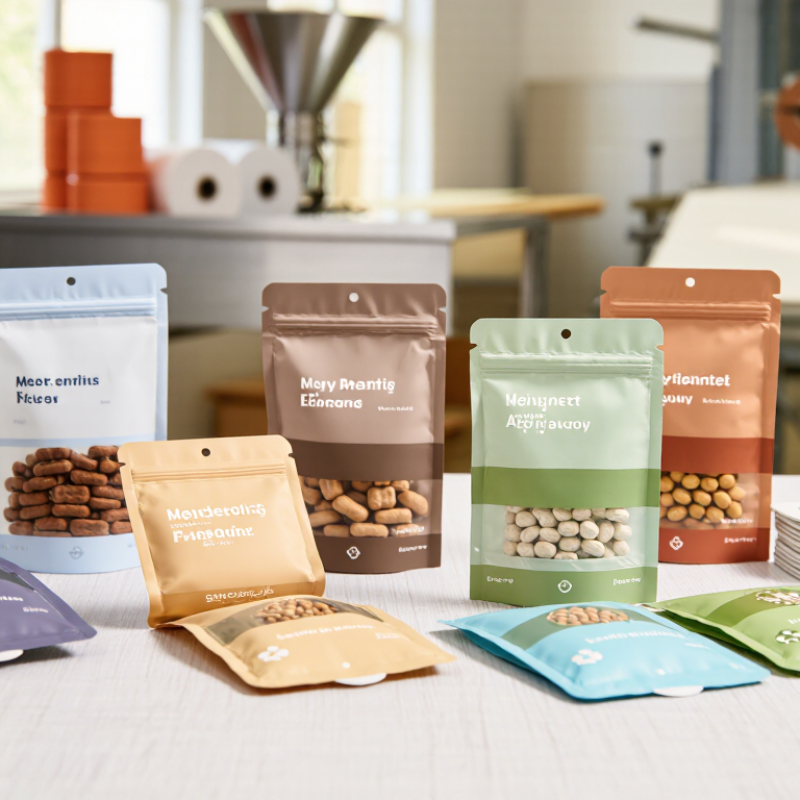
Selecting reliable China dog treat pouch suppliers requires more than comparing catalog prices. Global buyers need packaging partners who understand product protection, brand presentation, and practical export requirements. A well-designed Dog Treat Pouch should resist moisture, control odors, and remain easy to open during walks or training sessions. Small details matter. Zipper strength, pouch thickness, heat-sealed edges, and print clarity can affect customer satisfaction.

Experienced suppliers usually provide multiple formats, including stand-up pouches, flat bags, paper-based structures, and recyclable options. Buyers should request samples before approving mass production. Check the pouch under real conditions. Fill it with treats, carry it in a bag, and test the zipper repeatedly. Ask about food-contact materials, ink safety, factory quality controls, production capacity, and inspection procedures. Certifications can support credibility, but documents should be verified rather than accepted blindly.

Supplier evaluation also involves communication. Clear artwork files, confirmed dimensions, transparent lead times, and written quality standards reduce avoidable mistakes. A dependable manufacturer should explain limitations, not simply promise everything. That is important. No supplier is perfect, and even a strong factory may need improvement in sampling speed, color matching, or packaging consistency. This guide introduces leading China-based Dog Treat Pouch suppliers for international buyers, while encouraging careful comparison, factory verification, and realistic purchasing decisions. The most suitable partner may not offer the lowest quotation. Instead, it should deliver stable quality, responsive service, and packaging that performs reliably across shipping, storage, and everyday use.
China Top Dog Treat Pouch Suppliers for Global Buyers

Types of Dog Treat Pouches Supplied by Chinese Manufacturers

Chinese manufacturers supply several dog treat pouch types for global buyers. Stand-up zipper pouches offer stable shelf display and repeated opening. Gusseted bags provide extra volume for biscuits, jerky, and larger treats. Flat pouches suit small samples, travel packs, and promotional quantities. Some factories also produce spouted pouches for soft treats or paste-like snacks.

Materials vary by product needs. Laminated plastic structures can provide strong moisture and oxygen barriers. Kraft-look surfaces create a natural appearance, while clear windows show treat size and color. Matte film reduces glare under store lighting. Reusable zippers help owners keep treats fresh after opening. They can still collect crumbs. Small details matter.

During sample evaluation, buyers should check zipper alignment, seal strength, odor, and tear behavior. A pouch may look premium but fail after a short drop. Ask suppliers for material specifications, production samples, and food-contact documentation. Confirm dimensions with the actual treats, not only digital drawings. Heat, humidity, and transport can change pouch performance. A clear window may improve selling appeal, but it can reduce barrier protection. This trade-off deserves testing. I would also review printing accuracy across several batches, because one approved sample cannot represent every production run.

Key Features of Reliable China-Based Treat Pouch Suppliers

Reliable China-based treat pouch suppliers should combine manufacturing control, clear communication, and practical packaging knowledge. The American Pet Products Association reported U.S. pet industry spending of about $152 billion in 2024. That scale increases demand for clean, durable, and export-ready treat packaging. A dependable supplier should provide food-contact material documentation, batch records, seal-strength testing, and traceable production samples. Ask for pouch dimensions, film structure, zipper performance, and oxygen-barrier results. Details matter.

Factory experience should be visible, not merely promised. Suppliers with controlled printing, lamination, pouch-making, and inspection processes can reduce leaking, odor transfer, and damaged corners. The Flexible Packaging Association identifies barrier performance and package integrity as major factors in flexible food packaging quality. Request test results under heat, vibration, and repeated opening. A transparent supplier will explain limitations. No supplier is flawless.

Tips: Compare samples from three factories. Test a filled pouch for seven days. Check the zipper with wet hands. Confirm whether quoted prices include cylinders, tooling, inspection, and shipping terms. The global pet food market continues to expand, with Grand View Research reporting strong growth through 2030, but price alone can mislead buyers. A cheaper pouch may use thinner layers or weaker seals. I would also review production photos, audit reports, response times, and corrective-action records before placing a large order. Supplier reliability is proven through repeated evidence, not polished promises.

China Top Dog Treat Pouch Suppliers for Global Buyers - Key Features of Reliable China-Based Treat Pouch Suppliers
Evaluation Dimension Typical Industry Benchmark Evidence Buyers Should Request Why It Matters for Global Buyers
Food-Contact Compliance Packaging should be manufactured from materials suitable for food contact and aligned with the destination market’s applicable requirements, such as relevant United States, European Union, or Chinese food-contact rules. Material declarations, migration-test reports, ink and adhesive declarations, batch traceability, and a statement identifying the intended export market. Helps reduce customs, product-safety, and retailer-compliance risks.
Material Structure Common structures include PET/PE, PET/CPP, nylon-based laminates, and kraft-paper laminates. The selected structure should match the required barrier, toughness, sealability, and appearance. Full layer structure, material thickness, technical data sheet, seal-temperature range, and compatibility information for oily, dry, or semi-moist treats. Correct material selection protects freshness and prevents leakage, delamination, or premature seal failure.
Moisture and Oxygen Barrier Barrier performance should be specified by water-vapor transmission rate and oxygen transmission rate rather than described only as “high barrier.” WVTR and OTR test results, test method, test temperature, relative humidity, and the tested pouch structure. Supports shelf-life planning and helps maintain aroma, texture, and nutritional quality.
Pouch Formats Widely used formats include stand-up pouches, flat pouches, box-bottom pouches, and gusseted bags. The format should be selected according to fill weight, shelf presentation, and packing equipment. Dimension drawing, filled-pouch sample, internal usable volume, bottom-gusset measurements, and filling-line compatibility details. Ensures the finished pouch stands correctly, fits the product, and runs efficiently on the buyer’s equipment.
Closure and Opening Features Resealable zippers, press-to-close profiles, tear notches, sliders, and child-resistant features may be available depending on product and market requirements. Opening-force and reseal tests, zipper-seal inspection records, closure samples, and child-resistant certification where applicable. Improves consumer convenience while helping preserve product quality after opening.
Printing Capability Flexographic or rotogravure printing is commonly used for larger production runs; digital printing can be more suitable for short runs, variable artwork, or market testing. Printing process, maximum print colors, color-management procedure, proofing method, registration tolerance, and approved artwork proof. Controls color consistency, artwork accuracy, print quality, and total tooling cost.
Customization and Minimum Order Quantity Custom MOQ varies by pouch size, material structure, printing method, and tooling. Custom printed flexible packaging is often quoted in the range of thousands to tens of thousands of pouches per artwork. Written MOQ by SKU, setup and cylinder charges, digital-print alternatives, sample policy, and whether different sizes can be combined in one order. Helps buyers match production volume with inventory budgets and test-market requirements.
Lead Time A typical custom order may require approximately 15–35 business days after artwork approval and deposit, excluding sample development, public holidays, and shipping time. Separate timelines for artwork approval, cylinder or plate preparation, sampling, mass production, inspection, and dispatch. Supports launch planning, seasonal promotions, and inventory replenishment.
Seal Strength and Leak Resistance Reliable pouches should have consistent heat seals, clean seal areas, and leak resistance appropriate to the product weight and filling conditions. Seal-strength test results, burst or leak-test records, production sampling plan, and finished-pouch inspection criteria. Reduces product loss, carton contamination, customer complaints, and transport damage.
Quality-Control System A structured system should cover incoming materials, printing, lamination, slitting, pouch forming, final inspection, and batch traceability. AQL-based inspection may be used when agreed in advance. Quality manual, inspection checklist, calibration records, sample inspection report, corrective-action process, and batch coding procedure. Makes quality measurable and supports consistent repeat orders.
Sample and Pre-Production Approval A responsible supplier should provide blank samples, printed proofs, or production samples before full-scale manufacturing. Sample approval form, retained reference sample, color standard, dimensional tolerance, and written sign-off procedure. Prevents expensive errors in dimensions, colors, closures, and material selection.
Packaging and Export Readiness Finished pouches should be protected from moisture, dust, crushing, and excessive compression during inland transport and international shipment. Inner-pack and carton specifications, carton quantity, palletization plan, carton drop-test approach, shipping marks, and export-document capability. Reduces transit damage and simplifies receiving, warehousing, and customs handling.
Sustainability Options Options may include downgauged structures, recyclable mono-material PE or PP designs, paper-based laminates, and post-consumer recycled content where permitted and technically suitable. Recyclability assessment, material composition, recycled-content documentation, barrier test data, and destination-market disposal guidance. Helps meet retailer policies and regional packaging regulations without compromising package performance.
Communication and Commercial Transparency Reliable suppliers provide clear quotations, defined Incoterms, transparent tooling charges, realistic production schedules, and prompt responses to technical questions. Itemized quotation, payment terms, Incoterms, production schedule, change-control policy, warranty terms, and named quality-contact process. Reduces hidden costs, misunderstandings, schedule disputes, and avoidable procurement risk.
Buyer note: Benchmarks are indicative industry ranges and common practices rather than universal requirements. Final specifications should be confirmed through approved samples, technical documentation, and testing for the destination market.

Materials and Manufacturing Processes for Dog Treat Pouches

Dog treat pouches depend on carefully selected materials and controlled manufacturing processes. Common structures combine polyethylene for sealing with polyester for strength and print protection. Aluminum foil or high-barrier films can reduce oxygen and moisture transfer. Kraft paper adds a natural surface, but it often needs inner plastic layers for reliable protection.

The pouch-making process usually starts with film printing, lamination, curing, and precise slitting. Heat sealing then forms the body, zipper, gusset, and tear notch. Each seal needs consistent temperature, pressure, and dwell time. Small variations may create weak edges. That problem is easy to miss during visual inspection.

Experienced suppliers test seal strength, leakage, drop resistance, and material migration. They also check zipper performance after repeated opening. For dry treats, moisture resistance matters more than decorative texture. For oily treats, the inner layer must resist grease and odor transfer. No material is perfect. A thinner pouch may reduce shipping weight, yet it can lose stiffness during packing. Global buyers should request production samples, test reports, and clear tolerance data before approving large orders. Supplier reviews should include batch records and corrective actions, not only attractive samples.

Materials and Manufacturing Processes for Dog Treat Pouches

Flexible dog treat pouches commonly combine a printed outer film, a barrier layer, and a heat-sealable inner film. Typical commercial structures use PET or BOPP for stiffness and printability, optional aluminum foil or EVOH for oxygen and light protection, and PE or CPP for heat sealing. The thicknesses shown are representative industry ranges and vary according to pouch size, filling method, barrier requirements, and recycling targets.

Quality Standards and Export Compliance for Global Buyers

China Top Dog Treat Pouch Suppliers for Global Buyers

Quality Standards and Export Compliance for Global Buyers

Global buyers should assess dog treat pouch suppliers beyond price and printing quality. The Flexible Packaging Association’s 2024 industry report valued U.S. flexible packaging sales at approximately 40 billion dollars in 2023. This scale increases buyer expectations for consistent production. Ask for food-contact declarations, migration test results, ink specifications, and adhesive safety data. A reliable pouch should resist oxygen, moisture, grease, and punctures. Its zipper must close smoothly after repeated use. Seal strength matters, too.

Export compliance depends on the destination market. Suppliers should support material documentation aligned with applicable food-contact rules, such as European Union Regulation 1935/2004 or relevant U.S. FDA requirements. Packaging may also need recycling marks, importer details, lot references, and language-specific labeling. Request a certificate of analysis for each production batch. Confirm factory quality systems, inspection records, and traceability procedures. ISO 9001 or ISO 22000 certification can help, but certificates alone prove little. I have seen impressive audits hide weak seal testing.

Tips: Order pilot samples before mass production. Test filled pouches under heat, compression, and shipping vibration. Check zipper alignment with real treats, not empty bags. Keep approved samples and signed specifications. Ask suppliers how they handle rejected rolls and color deviations. Small gaps become expensive problems.

How to Evaluate and Select a China Dog Treat Pouch Supplier

Choosing a China dog treat pouch supplier requires more than comparing online prices. The pouch must protect aroma, moisture, and product freshness during long-distance shipping. Ask about material layers, zipper strength, heat-seal performance, and printing durability. Request samples from current production, not only showroom pieces. Small details matter.

Review food-contact test reports and factory quality procedures. Documents should match the actual pouch material and production site. Ask how workers check seal width, pinholes, color consistency, and zipper alignment. A reliable supplier can explain inspection records clearly. Vague answers deserve caution. I once considered a low quotation attractive, but the sample arrived with uneven seals and a weak zipper. The saving was not real.

Evaluate communication through a practical trial order. Confirm pouch dimensions, artwork approval, minimum order quantity, lead time, carton packing, and replacement terms in writing. Ask for photos during production and a final inspection report before shipment. You can also request a video factory tour or arrange an independent audit. Be realistic about limitations. A supplier may pass one sample test and still show variation in bulk production. Keep approved samples, signed specifications, and batch records for comparison. Choose the supplier that demonstrates consistent control, not the one that simply promises the fastest delivery.