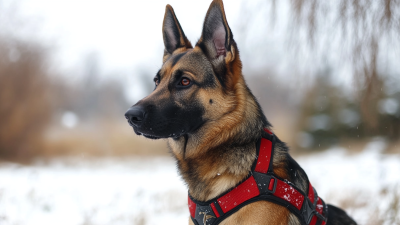
What is the Best Dog Coats for Winter Protection?
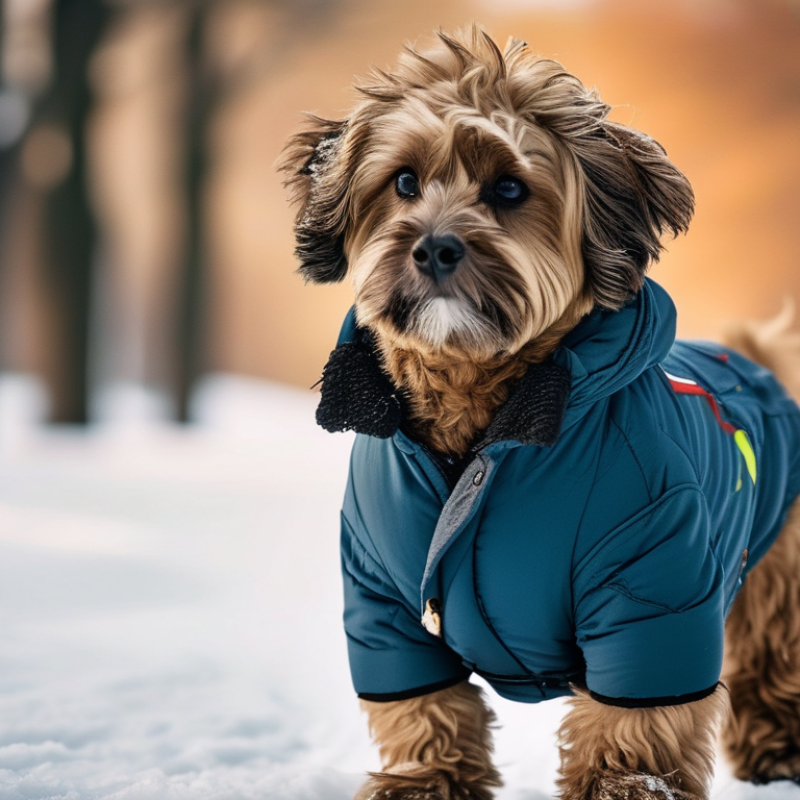
When winter arrives, keeping our furry friends warm is essential. Dog coats become a vital accessory for those chilly days. A well-chosen coat not only protects against cold but also combats wind and moisture.
Different breeds have varied needs when it comes to dog coats. Short-haired dogs may struggle more in freezing temperatures. Larger breeds might tolerate cold better but still benefit from protection. Quality matters. Look for features like insulation, waterproof materials, and reflective strips for safety.
Finding the right dog coat involves understanding your pet's unique requirements. Think about their activity level and comfort. Not every coat fits every dog. Trial and error is part of the process. Make sure the fit is snug but not too tight. A well-suited coat enhances your dog's winter experience while ensuring they stay happy and healthy.
What to Consider When Choosing a Dog Coat for Winter Safety
When choosing a dog coat for winter safety, comfort is key. Look for materials that are soft yet insulating. Dogs need warmth during cold months. A good fit ensures they can move freely, preventing discomfort. Measure your dog before purchasing. A coat that's too tight may restrict movement, while one that's too loose can lead to cold spots.
Consider the coat's water resistance. Winter often brings snow and rain. A waterproof option keeps your dog dry and warm. Breathability is important too. A coat should allow moisture to escape, preventing overheating during walks. Avoid coats with excessive straps and embellishments. These can easily become entangled during play.
Reflect on the coat's visibility. Bright colors or reflective materials can enhance safety in low-light conditions. If your dog enjoys snowy adventures, opt for bright hues. Remember, not all dogs like wearing coats. Introduce it gradually. Positive reinforcement can help your dog feel comfortable. Explore different styles and find what suits your fur friend best.
What is the Best Dog Coats for Winter Protection? - What to Consider When Choosing a Dog Coat for Winter Safety
| Feature |
Description |
Importance |
| Insulation |
Material used to retain body heat, such as down or synthetic fibers. |
High |
| Weather Resistance |
Ability to repel water and wind to keep the dog dry. |
High |
| Fit |
Proper sizing to ensure comfort and effectiveness of the coat. |
Medium |
| Ease of Wear |
How easy it is to put on and take off the coat. |
Medium |
| Visibility |
Reflective strips or bright colors for safety during low-light conditions. |
Medium |
| Style |
Fashionable designs that suit the owner's preference. |
Low |
Types of Materials Used in High-Quality Dog Coats and Their Insulation
When it comes to winter protection, the materials used in dog coats are crucial. High-quality dog coats often incorporate insulation materials like fleece, wool, and down. Fleece offers warmth without bulk, allowing dogs to move comfortably. Wool is naturally insulating and remains warm even when wet. Down fills provide an excellent warmth-to-weight ratio, making them a popular choice for chilly conditions.
Water-resistant outer layers are also important. Many coats use synthetic materials that repel moisture, keeping your dog dry in rain or snow. Reflective elements can enhance visibility during dark winter months. However, not all materials are created equal. Some may lack breathability, leading to overheating in active dogs. It’s essential to balance insulation with ventilation.
Choosing the right coat can be a challenge. Each dog has different needs based on breed and activity level. A small, short-haired dog might require more insulation compared to a larger, long-haired breed. Consider how your dog will use the coat. A cozy trip to the park demands different features than a snow adventure. Reflecting on these needs is key in making the best choice for your furry friend.
Measuring Your Dog for the Perfect Winter Coat Fit and Comfort
When choosing a winter coat for your dog, accurate measurements are crucial. The Pet Industry Joint Advisory Council indicates that 64% of pet owners do not measure their dog before purchasing clothing. This oversight can lead to poor fits, discomfort, and ineffective protection against harsh weather. To ensure a snug fit, measure your dog's neck, chest, and back length. A tape measure can be your best tool.
A well-fitting coat should allow movement without being too tight. According to the American Kennel Club, many dogs may refuse to wear a coat that rubs against their skin. Look for designs with adjustable straps or stretchy materials. Consider outfit styles that accommodate your dog's unique shape. Dogs with broad chests may require different fits compared to slender breeds.
Moreover, comfort should be prioritized. A coat that happens to be the right size may still lack the warmth or breathability your dog needs. Research shows that insulation types significantly impact thermal efficiency. Dogs can become fidgety in heavy materials, which can lead to anxiety or discomfort. Taking the time to measure accurately can help foster a harmonious winter experience for you and your furry companion.
Top-Rated Dog Coat Brands Based on Industry Reviews and Consumer Feedback
When selecting the best dog coats for winter, it's crucial to consider expert recommendations. Various industry reviews highlight critical features like insulation, waterproofing, and comfort. According to a 2023 study by the Pet Apparel Association, nearly 70% of dog owners reported that their pets experience freezing temperatures. This statistic underscores the importance of adequate winter protection.
Top-rated brands often focus on durable materials that withstand harsh weather. Many coats incorporate reflective elements for visibility during darker months. A survey conducted by Pet Product News showed that breathability is another essential factor, with 85% of respondents prioritizing it for active dogs. Pets need comfort along with protection.
Consumers also value fit and adjustability. Poorly fitting coats can restrict movement. Around 60% of pet owners mentioned that coat size affects their dogs' willingness to wear them. Industry experts advise trying coats on dogs before purchasing them. This is an area where pet owners must reflect on choices made. The combination of style and functionality often leads to compromise.
Importance of Reflective Elements in Dog Coats for Visibility and Safety
When choosing a dog coat for winter, visibility and safety are key factors. Reflective elements are essential. They enhance your dog's visibility during low-light conditions. This increases safety for both the dog and the owner during evening walks. A coat with reflective strips or patches can be life-saving. It makes your dog more noticeable to motorists and other pedestrians.
Consider how often you walk your dog at night or in foggy weather. If your routine includes late-night outings, a coat with reflective features is crucial. Reflective materials can significantly impact how well your dog is seen. Many coats now incorporate this technology seamlessly into their designs. However, not every coat offers adequate reflective elements, so it’s essential to review options carefully.
It’s also important to reflect on the comfort of your dog. A coat might have great visibility features but could be uncomfortable. If your dog refuses to wear it, all safety features become useless. Prioritizing a balance between comfort, warmth, and safety will lead to better choices. After all, a well-coated dog is a happy and safe dog.