Best Dog Coats For Winter 2026 Top Choices For Global Buyers?
As winter approaches, pet owners must consider the best dog coats for winter. Data from the American Pet Products Association shows that nearly 60% of dog owners seek premium winter gear for their pets. The right coat can protect a dog from harsh weather conditions, making it essential for well-being.
Selecting appropriate dog coats for winter requires an understanding of various factors. Materials, insulation, and style all play a crucial role. Studies indicate that a coat should not only provide warmth but also allow freedom of movement. This balance is vital for a dog's comfort and health.
However, many dog owners often overlook the importance of fit. A coat that is too tight or too loose can cause discomfort and even harm. It’s crucial for buyers to research and ensure that their chosen coat meets their dog's unique needs. Careful selection can enhance the outdoor experience for both pets and owners.
Best Features to Look for in Winter Dog Coats
When selecting a winter coat for your dog, prioritize insulation and waterproof materials. Research indicates that dogs lose heat through their skin, making it essential to choose coats that trap warmth effectively. Insulated coats typically feature materials like down or synthetic fills, which retain body heat while allowing moisture to escape. In fact, studies show that dogs with adequate insulation during colder months are significantly less likely to experience hypothermia or frostbite.
Fit is another critical consideration. A coat should fit snugly but not restrict movement. Dogs need to be able to walk, run, and play without feeling constrained. Additionally, coats with adjustable straps can adapt to a growing pup or a slightly overweight dog, allowing for better utility across seasons. Many owners notice the difference in their dog's comfort level when using a properly fitted coat.
Reflective elements can enhance safety during low-light conditions. According to industry reports, visibility contributes to reduced accident rates for pets in urban settings. While many coats might boast aesthetic appeal, practical features often outweigh looks. Pet owners should evaluate the balance between style and function to ensure their dog stays warm and secure throughout winter.
Top Dog Coat Materials for Cold Weather Protection
When choosing dog coats for winter, material is key to ensuring comfort and warmth. Often, dog owners look for options that can withstand harsh weather. A variety of materials provide different levels of insulation. Fleece is a popular choice; it offers good warmth without being heavy. Wool, while a bit heftier, also retains heat effectively and repels moisture in light rain.
Another crucial material is nylon. It serves as an excellent outer layer, protecting against wind and snow. However, a dog coat made entirely of nylon may not provide enough warmth on its own. Therefore, combining materials often yields the best results. For example, a coat lined with fleece and covered with nylon can be a great balance between comfort and protection.
Reflecting on the choices available, some dog owners find it challenging to determine the right fit and function. It’s important to remember that not all dogs respond well to the same material. Individual preferences vary. Some dogs may dislike the feel of certain fabrics. Observing how your dog reacts can provide valuable insights when selecting the ideal winter coat. Prioritizing your dog's comfort will ultimately lead to better choices.
Best Dog Coats For Winter 2026: Top Material Choices Analysis
Popular Styles of Dog Coats for Winter in 2026
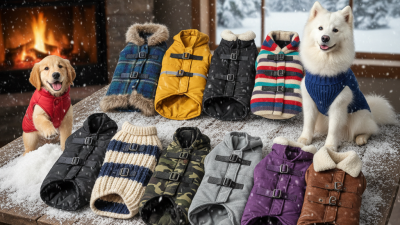
As winter approaches, selecting the right coat for your dog becomes essential. In 2026, a variety of styles are trending, catering to both functionality and flair. Insulated jackets continue to be popular, providing warmth and comfort for dogs of all sizes. Reflective materials are also in demand, enhancing visibility during short winter days.
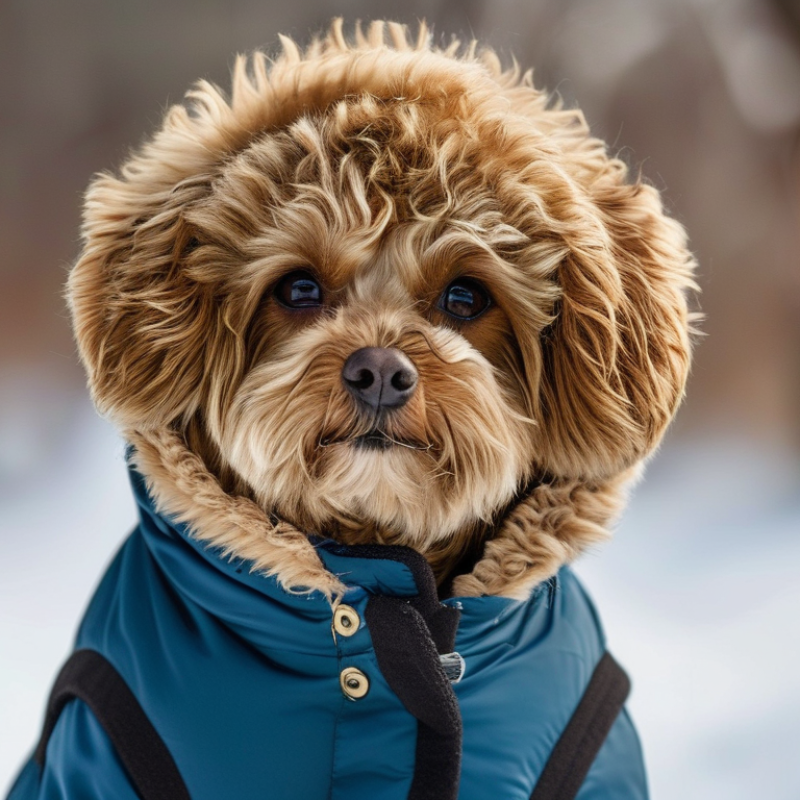
Another style gaining traction is the parka. With a furry hood and waterproof exterior, these coats offer protection against snow and rain. Many buyers appreciate the combination of style and practicality in parkas. However, some owners might overlook proper sizing. A coat that’s too loose may not provide adequate warmth, while one that’s too tight can restrict movement.
Fashion-forward dog coats are also making waves. Colorful patterns and unique designs appeal to many dog owners. Yet, the focus should remain on warmth and durability. Flashy designs might not always be functional. Balancing aesthetics with practicality is an ongoing challenge for many buyers. In the end, thoughtful choices lead to happier pets on chilly days.
Global Brands Offering Quality Winter Dog Coats
As winter approaches, dog owners seek comfortable and stylish coats. Global brands have recognized this need, providing a variety of high-quality options. These coats offer warmth and protection from elements. Many designs cater to different dog sizes and breeds. You can find everything from sleek, waterproof materials to cozy fleece-lined options.
When selecting a coat, consider your dog's activity level. Active dogs may need lightweight, flexible designs. A snug fit is essential for warmth, but not too tight. Reflective elements on coats enhance safety during dark winter days.
Quality is paramount, yet some options lack durability. Exploring customer reviews can reveal insights about real-world performance. Check for warranty details, which can indicate a brand’s confidence in its products. While there are many choices, ensuring your dog’s comfort should be the top priority.
Tips for Choosing the Right Size and Fit for Your Dog's Coat
Choosing the right coat for your dog this winter can be challenging. It’s important to get the sizing right to ensure comfort and warmth. Measure your dog’s chest, neck, and back length accurately. This data will guide you in selecting a coat that fits snugly without being too tight. A well-fitted coat allows for movement while protecting against harsh weather.
Consider the coat's style and closure as well. Some coats have Velcro, while others use buttons or zippers. Velcro closures are convenient for quick adjustments. A dog with a thicker, longer coat might need something lighter, while short-haired breeds require more insulation. Remember that a snug fit doesn’t mean restricting movement. Observing how your dog acts in a new coat is key. They should be able to walk comfortably and even play without feeling constricted.
Pay attention to the fabric of the coat. Water-resistant or fleece-lined materials offer better protection. Reflective elements can enhance visibility during darker days. Noticing your dog’s reaction to their coat can also lead to insights. If they seem uncomfortable or try to remove it, reassessing the size or fit is vital. Finding the right coat involves trial and error. Each dog is unique, and what works for one may not suit another.