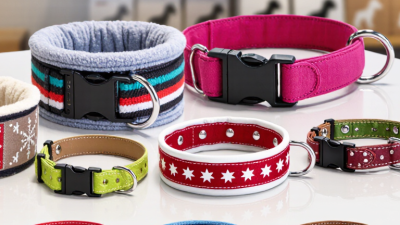
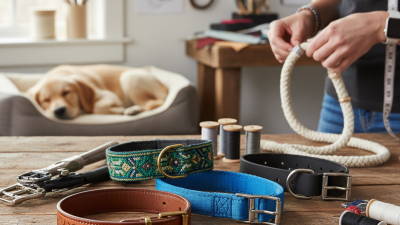
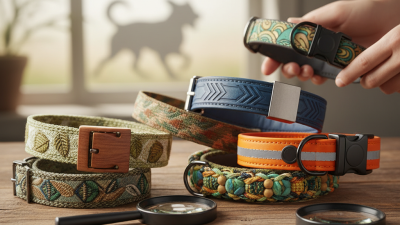
$0.00
The 2026 wholesale market for Custom Dog Collars is moving beyond basic identification. Buyers now expect dependable materials, comfortable fitting, and branding that looks sharp on a retail shelf. Small details matter. A smooth buckle, reinforced stitching, and clear size labels can prevent costly returns.
The American Pet Products Association reported that U.S. pet industry spending reached $152 billion in 2024. Its latest ownership data also confirms a large and stable dog-owning customer base. Grand View Research identifies pet accessories as a growing global category, supported by premiumization and stronger spending on companion-animal products. These reports do not measure every wholesale collar order. Still, they show useful commercial direction.
Canine behavior expert Dr. Ian Dunbar has repeatedly emphasized, “Dogs are social animals.” That simple observation matters when evaluating Custom Dog Collars. A collar should support daily movement, safe handling, and comfortable contact around the neck. It should not rely on decoration alone. Wholesale buyers must check webbing strength, edge finishing, hardware quality, packaging, and supplier consistency before placing large orders.
Practical testing is essential. Rub the collar against fabric. Inspect the adjustment holes. Pull the buckle repeatedly. Check whether printed logos remain readable after moisture exposure. I may still overlook a supplier weakness during a short sample review. That is an honest limitation. Buyers should request production samples, test several sizes, and confirm quality-control records before committing.
The strongest 2026 choices will combine useful design, reliable manufacturing, and clear product positioning. Customization attracts attention. Consistency earns repeat business.
Custom Dog Collar Types for Wholesale Buyers in 2026
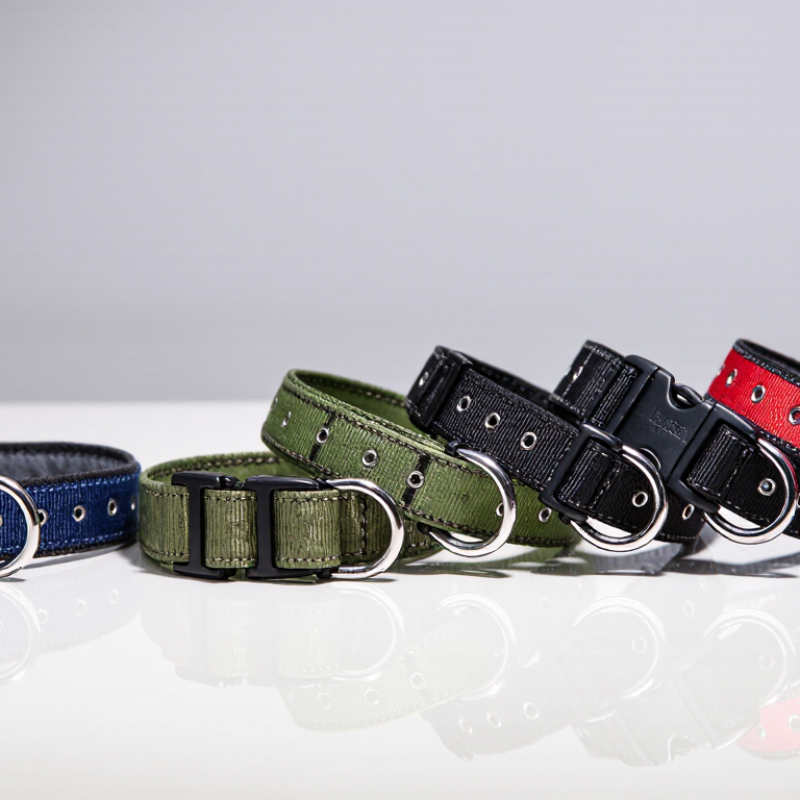
Wholesale buyers need more than attractive artwork. They need collar types that match use, price, and repeat-order potential. Flat nylon and polyester collars remain practical for everyday retail because they are lightweight, adjustable, and easy to print. Coated webbing suits wet-weather markets, while leather supports premium collections with stronger tactile appeal. Reflective stitching adds visibility for evening walks. It should not replace proper supervision.
Grand View Research reported that the global pet accessories market was valued at about USD 6.8 billion in 2023, with continued growth projected through 2030. APPA’s 2025–2026 National Pet Owners Survey also reported roughly 94 million U.S. households owning a pet. These figures support broader collar assortments, but they do not guarantee every style will sell. Regional testing still matters.
For wholesale programs, offer adjustable standard collars, padded collars for comfort, and waterproof options for active dogs. Martingale designs may suit trained-dog markets, but product instructions must be clear and responsible. Consider reflective colors, reinforced D-rings, smooth edges, and buckle fatigue testing. A small sample check can reveal loose stitching or uneven printing. I would not overstate customization; complex patterns often increase minimum order quantities and production errors. A sensible range might include three materials, four sizes, and limited seasonal colors. Keep the first order manageable.
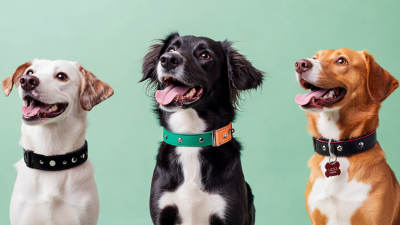
For wholesale buyers in 2026, a custom dog collar must balance comfort, durability, and production consistency.
Nylon remains practical because it is lightweight, colorfast, and easy to clean. Recycled polyester may support sustainability goals, but suppliers should verify its source and abrasion resistance. Coated webbing offers a smooth, wipeable surface for muddy walks. Leather creates a premium feel, yet it needs careful finishing and may vary slightly between batches. That variation deserves discussion before approval.
Hardware needs equal attention. Zinc alloy buckles look polished, while acetal or reinforced plastic reduces weight and resists corrosion. Check buckle strength, stitching density, edge comfort, and adjustment range through physical samples. In practical testing, a collar that looks strong may still twist under pressure. Add reflective strips for low-light visibility, padded lining for sensitive skin, and a secure D-ring for lead attachment. Avoid assuming one size range fits every market.
Customization can include woven labels, embroidery, printed patterns, reflective thread, padding, hardware finishes, and retail-ready packaging.
Request a tech pack showing logo placement, thread colors, material tolerances, and carton quantities. Small logos can lose clarity on narrow collars. Test artwork at its actual width. One common mistake is approving a beautiful sample without checking repeated washing, colorfastness, and stitching after use. Supplier communication may feel slow, but clear sample records prevent expensive production errors.
Demand is substantial. The American Pet Products Association reported 68 million U.S. households owned dogs in its 2024–2025 National Pet Owners Survey. That scale rewards dependable suppliers, not merely attractive samples.
Ask each manufacturer for measurable specifications. Confirm webbing width, material composition, buckle strength, stitching density, and adjustment range. Request independent laboratory reports for tensile strength, colorfastness, and harmful-substance screening. Reports should identify testing methods, sample numbers, and dates. Vague certificates are weak evidence.
I would inspect at least three production samples. Check whether printed artwork stays centered after adjustment. Pull the buckle repeatedly. Rub the collar with a damp white cloth. Small flaws often appear here. Ask for pre-production approval, batch inspection records, and a written replacement policy. The International Trade Centre notes that product quality and compliance documentation influence buyer confidence in global sourcing. However, documents can become outdated. Recheck them before every major order.
Production capacity also matters. The supplier should state minimum order quantities, lead times, packaging details, and material substitutions. APPA valued U.S. pet industry spending at approximately 152 billion dollars in 2024, showing a large and competitive market. Still, bigger capacity does not guarantee better workmanship. A smaller workshop may offer closer communication, though delivery risk can increase. That trade-off deserves honest review.
2026 Best Custom Dog Collars for Wholesale Buyers: Ordering, Branding, Pricing, and Minimum Quantities
Wholesale collar planning should begin with demand, not decoration. The American Pet Products Association’s 2024–2025 National Pet Owners Survey reports that U.S. pet industry spending reached $150.6 billion in 2024. That figure supports continued demand, but it does not guarantee fast sales for every customized design. Review your customer profile, dog sizes, seasonal colors, and replacement rates before placing a large order. Measure samples on real dogs. Small fit errors become expensive returns.
Branding requires practical control. Ask for a pre-production sample showing logo placement, buckle color, stitching, and label durability. Embroidery may suit simple marks, while printed artwork often handles fine details better. Request abrasion, colorfastness, and tensile-strength test results. The Consumer Product Safety Commission’s product-safety guidance emphasizes traceability and accurate product information, so keep batch records and care instructions. Details matter.
Pricing should separate unit cost, setup fees, packaging, freight, and inspection. A low quotation can hide costly shipping or weak hardware. Minimum order quantities often fall when you accept standard webbing, shared colors, or simpler packaging. However, reducing MOQ may increase unit pricing. Ask for three tiers, such as 100, 500, and 1,000 units, then compare landed cost per collar. I would not trust a spreadsheet alone. The mistake is assuming the cheapest first order is the best deal. Pilot orders reveal defects, sizing issues, and customer preferences before inventory becomes a burden.
Wholesale buyers in 2026 are prioritizing safety, durability, and clear quality records. A custom collar should use smooth webbing, rounded edges, and secure stitching. During inspection, check buckle strength, ring welding, and adjustment accuracy. A collar that looks attractive may still fail under repeated pulling.
Safety testing should include load checks, colorfastness tests, and abrasion reviews. Rub the dyed fabric with a damp white cloth; visible transfer requires further investigation. Reflective details are increasingly popular for evening walks, but they must remain firmly attached after washing. Buyers should request material information, batch records, and test reports aligned with the destination market’s requirements. Standards vary by region, so generic claims are not enough.
Tips: Order pre-production samples. Measure the collar against real size ranges. Test buckles with wet and dry hands. Inspect ten pieces from every shipment, not only the first sample. Ask suppliers how defects are recorded and corrected. Trend data can guide colors and patterns, but safety should lead the design. No inspection plan is perfect. A sample may pass while a later batch shows uneven stitching, so ongoing checks remain essential. Minimal packaging and recycled materials are also gaining attention, although sustainability claims should be verified with actual documentation.