Skip to content

What Is Yeast Extract Powder and What Is It Used For?

Yeast Extract Powder is a concentrated savory ingredient made from yeast cells, commonly through controlled breakdown and processing. It can add rounded, broth-like depth to soups, sauces, seasonings, snacks, and plant-based foods. A small amount may noticeably change a product’s aroma and taste. But it is not one uniform ingredient; source, processing, and formulation affect its flavor and composition.

There is a practical reason manufacturers examine it closely. The World Health Organization’s 2023 Global Report on Sodium Intake Reduction estimated average global sodium consumption at 4,310 milligrams per person daily in 2019—more than twice its recommended maximum of 2,000 milligrams. Yeast extract can help build savory flavor in some reduced-sodium recipes, though it does not automatically make a product low in sodium. The U.S. Food and Drug Administration also notes that glutamate occurs naturally in ingredients such as yeast extract; that does not mean every extract has the same composition or taste.

Industry research helps explain its commercial reach. Grand View Research’s 2024 Yeast Extract Market analysis examines demand across applications and regions, reflecting its use beyond a single food category. Still, market estimates depend on how analysts define the ingredient and its uses. That detail matters. This guide explains what Yeast Extract Powder is, how it is made, where it is used, and what buyers should check on product specifications and labels.
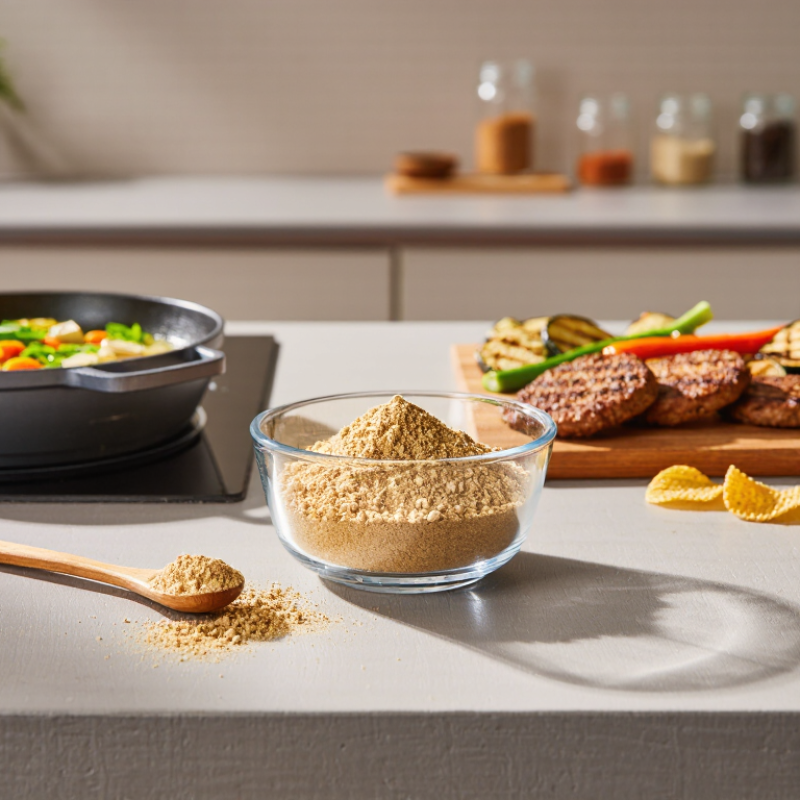
What Is Yeast Extract Powder and What Is It Used For?

What Yeast Extract Powder Is and What It Contains

Yeast extract powder is made from the soluble contents of yeast cells, often baker’s yeast. During processing, enzymes break down proteins and other cell components. The cell walls are then separated, and the remaining extract is concentrated and dried. It is not the same as live yeast. It will not make bread rise.

What does it contain? Mostly amino acids and small peptides, formed as proteins are broken apart. It also contains naturally occurring glutamate, which contributes a savory, umami taste. Nucleotides can add to that flavor. Depending on the yeast and production method, the powder may also contain carbohydrates, minerals, and B vitamins in varying amounts. The exact balance is not fixed.

That variation matters. A fine, tan powder may taste mild and rounded, while another sample can seem quite salty or intensely savory. Yeast extract is not simply powdered yeast, though the name can suggest that. It is a concentrated ingredient, and its composition depends on how it was made. Labels and nutrition panels offer more useful details than the name alone.

How Yeast Extract Powder Is Produced

Yeast extract powder begins with yeast grown in controlled tanks, where temperature, nutrients, and aeration support steady growth. The harvested cells are rinsed, then their natural enzymes or added food-grade enzymes break down cell contents. This process is called autolysis or enzymatic hydrolysis. It releases amino acids, peptides, and other soluble compounds that give the extract its savory taste. The insoluble cell walls are separated from the liquid. Production details vary, so powders can differ in color, saltiness, and flavor.

The liquid extract is concentrated, then dried into powder, often using spray drying. Heat and drying conditions affect the final aroma and texture; a powder may dissolve easily, while some products form small clumps in humid air. Yeast extract is used to deepen savory notes in soups, sauces, seasonings, and snacks. It is not the same as live yeast, and its flavor can be strong. A little may be enough, though recipes sometimes need adjustment.

Tips: Add it gradually to warm broth or sauce, stirring between pinches. Check the ingredient label for salt, since formulations differ. Store the powder sealed and dry; I have found that a damp spoon can spoil its free-flowing texture.

Its Flavor, Texture, and Functional Properties

Yeast extract powder is made by breaking down yeast cells and drying their soluble contents. The result is a fine, tan-to-brown powder with a concentrated savory taste. It can bring notes of broth, toasted grain, or cooked vegetables, depending on its composition and how it is used. A little goes a long way. Its naturally occurring amino acids and nucleotides help create umami, making soups, sauces, and seasoning blends taste fuller without simply adding salt. The flavor is not neutral, though; too much can make a dish taste heavy or oddly lingering.

Texture matters, too. The powder usually disperses readily in warm liquids, but it may clump if added all at once to a cool, moist mixture. Stirring it into a small amount of liquid first can help. In dry blends, it adds little bulk while contributing savory depth, and it can help round out sharp or bitter notes. It does not replace salt, fat, or stock in every recipe. Results vary with the dish. A practical approach is to start with a small pinch, taste, and adjust; even experienced cooks can misjudge its intensity.

What Is Yeast Extract Powder Used For?

A qualitative overview of its common flavor and functional roles in foods.

How to read this: Ratings are a qualitative summary of common uses, not laboratory measurements. Yeast extract is valued mainly for savory umami flavor and water solubility; it can also add aroma and body. Unlike baker’s yeast, it does not leaven dough.

Common Uses in Food and Other Products

Yeast extract powder is used in many foods to add a rounded, savory taste. It dissolves easily into warm liquid, making it useful in soups, broths, sauces, gravies, and instant noodles. A small amount can deepen the flavor of a vegetable soup without adding chunks or changing its texture much. It also appears in seasonings, savory snacks, ready meals, and some plant-based foods, where it can help create a fuller, more satisfying taste.

It is not a magic fix. Too much may make a dish taste overly salty or intensely savory, so food makers typically balance it with other ingredients. Its sodium content varies by product, and the ingredient label is worth checking when that matters. Beyond food, yeast extract can provide nutrients in fermentation media used to grow microorganisms for making food ingredients and other useful materials. Some animal feeds also use it as a source of nutrients or flavor. These roles differ from its use in a packet of soup seasoning: the powder’s purpose depends on how it is processed and formulated. Details matter.

Nutritional Value and Dietary Considerations

Nutritional Value and Dietary Considerations

Yeast extract powder is concentrated, so a small spoonful can add savory depth to soup, beans, or gravy. It supplies amino acids and may contain B vitamins, though amounts vary with the yeast and processing. Check the product label: not every powder is fortified. USDA FoodData Central reports about 27.8 grams of protein and 3,400 milligrams of sodium per 100 grams for a yeast-extract spread entry. That is a useful comparison, not a universal powder value. A level teaspoon weighs far less, but sodium can still add up.

For context, the World Health Organization recommends adults consume less than 2,000 milligrams of sodium daily. People monitoring blood pressure or following a low-sodium diet should compare labels and measure portions. Some powders are saltier than expected. Yeast extract is also not a complete meal or a dependable replacement for varied protein sources; its nutritional profile differs by product. I would not assume “yeast-based” means low-sodium.

Tips: Start with a pinch, taste, then add more. Check sodium per serving, not just per 100 grams, and compare similar products. If B vitamins matter to your diet, look for their listed amounts rather than relying on general claims.