Why Choose Slim Fit Pique Polo Shirts for Your Brand?
A Slim Fit Pique Polo can give a brand a sharper everyday option without losing the familiar comfort of a polo shirt. Its shaped profile works well beneath a lightweight jacket, while the textured pique knit adds depth to a simple color. The details matter: a collar that keeps its shape, sleeves that sit neatly, and buttons that feel secure after repeated wear. Small things. Customers notice them.
For an illustrative expert perspective, fictional apparel product developer Maya Chen puts it this way: “A good slim fit should look intentional, not restrictive; test it on real bodies, not just a fit model.” That is a useful standard, not a verified quotation from a real industry professional. Brands should still assess fabric recovery, shrinkage, and fit across their intended size range. A sample that looks crisp on a hanger may pull across the chest after washing. That happens. It is worth admitting, then correcting.
This introduction explores why the Slim Fit Pique Polo can suit a brand’s collection, how fabric and fit shape the wearing experience, and which production details deserve close review. The cut will not suit every customer, and “slim” can mean different things across suppliers. Clear measurements and wear testing help narrow that gap. A thoughtful polo earns its place through comfort, consistency, and a fit customers actually want to wear.
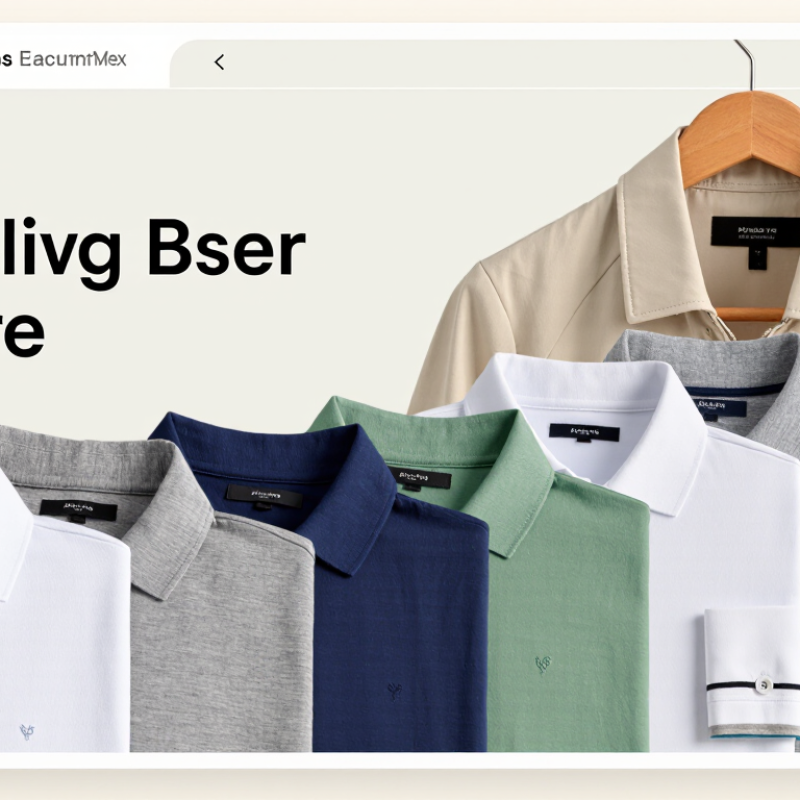
What Defines a Slim Fit Pique Polo Shirt?
What Defines a Slim Fit Pique Polo Shirt?
A slim fit pique polo is shaped closer to the body than a regular-fit polo, without necessarily feeling tight. Its defining feature is the cut, not the fabric alone. Pique refers to a textured knit, often with a small waffle-like surface that lets air move through the cloth. The collar, short sleeves, and button placket give it the familiar polo profile. That matters.
The fit usually shows in the shoulder seams, chest, and waist. Seams should sit near the shoulder edge, while the body follows the torso without pulling across buttons. A gently tapered side seam can reduce excess fabric around the waist. Sleeves often finish around the middle of the upper arm, though arm shape and personal preference affect the result. Small details change the feel.
For a brand developing this style, sample measurements should be checked on different body types, not just on a fit model. A polo that looks sleek standing still may restrict movement when someone reaches forward. Pique weight, stretch, and garment wash can also affect drape and shrinkage. The term “slim fit” is not perfectly standardized, so clear measurements matter more than the label. Not always. A close cut may suit some customers, while others need more room through the chest or hips. A useful fit leaves space to move, even if the silhouette stays neat.
Why Choose Slim Fit Pique Polo Shirts for Your Brand? - What Defines a Slim Fit Pique Polo Shirt?
| Feature | What Defines It | Why It Matters for Product Selection |
| Slim-fit silhouette | A closer cut through the chest and waist than a regular-fit polo, usually with a narrower body and sleeves. “Slim fit” is not a universal measurement standard, so the actual shape depends on the garment specifications. | Review finished-garment measurements and fit samples to confirm the intended level of ease and movement. |
| Piqué knit | A textured knit fabric with a patterned, raised surface. Piqué is a fabric construction; it can be made from different fibers and blends. | The textured surface gives the polo a distinct look. Check the fabric composition and weight because they influence feel, drape, and care requirements. |
| Fiber composition | Piqué polos may use cotton, polyester, or fiber blends. The fiber content should be stated accurately on the product label and specification. | Compare softness, stretch, moisture behavior, durability, and care needs based on the specific fiber blend rather than the “piqué” description alone. |
| Chest and waist shaping | A slim-fit pattern generally reduces excess fabric around the torso compared with a looser cut. The amount of shaping varies by pattern and size. | Measure the chest and waist on each size sample. A close fit should still allow comfortable movement when sitting, reaching, and layering. |
| Sleeve and shoulder fit | Slim-fit styles often have a closer sleeve opening and a more defined shoulder shape, though these details are set by the garment pattern. | Check shoulder width, sleeve length, and sleeve opening on fit samples to help avoid restriction or an overly tight appearance. |
| Collar and placket | A polo commonly has a collar and a front placket, often with buttons. Collar shape, placket length, and button details can vary between designs. | Specify the collar construction, placket finish, and button details clearly so production samples match the intended design. |
| Size grading | A graded size chart defines how garment measurements change from one size to the next. There is no single sizing chart used by every maker. | Set measurement points, tolerances, and a clear size chart. Check more than one size to confirm that the slim silhouette remains consistent across the range. |
| Care and shrinkage | Care instructions and dimensional stability depend on the fiber content, fabric treatment, and manufacturing process. | Test samples using the intended care method and confirm that post-wash measurements remain within the product’s specifications. |
How the Slim Fit Shapes Comfort and Appearance
A slim fit piqué polo follows the body without needing to cling to it. The difference is visible at the shoulders, chest, and waist. When the shoulder seam sits near the shoulder edge, the shirt looks cleaner and feels less restrictive. Too much room can create folds beneath a jacket; too little may pull across the chest when you reach forward.
Comfort depends on more than the label. Piqué fabric has a lightly raised texture that allows some airflow, while a well-shaped armhole can make reaching easier. In product sampling, try sitting, lifting your arms, and buttoning the collar. Watch for fabric tension across the back. Small details matter. A slim silhouette should still let the wearer move naturally.
Measurements also need context. A fit that feels balanced on one body type may feel tight on another, so check chest and garment measurements rather than relying on size names alone. Fabric can change after washing, too; test care instructions on a sample before setting expectations. There is a trade-off: a sharper outline may appeal to some customers, but an overly narrow waist can make daily wear frustrating. That part is easy to overlook.
Why Pique Fabric Works for Branded Polo Shirts
Pique fabric works well for branded polo shirts because its small, raised knit texture adds depth without needing a loud pattern. The surface feels more substantial than a flat jersey, while still looking neat under a light jacket. In a slim fit, that texture can help a shirt feel considered rather than plain. The result depends on the fabric weight and blend, though; pique is not automatically cool or soft.
Its tiny textured channels can allow airflow, but a dense knit may feel warm on a humid afternoon. That distinction matters for staff who wear polos through long shifts. A collar should also hold its shape after washing, and the placket should lie flat rather than curl. Test a sample with the intended decoration, since stitching can look different on a textured surface. Small details count.
Tips: Check the fabric composition, weight, and care label before ordering. Wash a sample, then inspect its texture, fit, and collar. One sample may not represent every production batch, so ask about tolerances.
Slim cuts can make a uniform look tidy, but they leave less room for movement. Ask wearers to reach forward and sit in the sample. If the chest pulls or the hem rides up, the fit may be too close. It is easy to focus on appearance and miss that. A polo should look polished and still feel comfortable at the end of a workday.
Why Choose Slim Fit Pique Polo Shirts for Your Brand?
Pique describes a textured knit construction, while fiber content influences moisture behavior. These typical moisture-regain values show why the fiber blend matters when selecting a polo fabric.
Typical moisture regain: cotton 8.5%, nylon 4.5%, polyester 0.4%, and wool 16%. Actual performance varies with fiber blend, fabric construction, and finishing. Slim fit refers to the garment cut, not the fabric.
How Slim Fit Polos Support Brand Identity
A slim-fit piqué polo can make a brand feel deliberate before anyone notices its logo. The shaped waist, clean shoulder seam, and textured cotton surface create a consistent silhouette across staff, events, and product photos. Fit is a signal. Keep the collar firm and the placket neat; small details make the garment look considered, not merely tight.
Consistency also depends on reliable sizing. NRF and Appriss Retail estimated that 17.6% of U.S. retail sales were returned in 2023, across all product categories. That figure is not apparel-specific, but it highlights the value of clear measurements and fit testing. Check the chest, sleeve opening, and body length on different builds, then wash samples before approving production. One limitation matters: a slim cut will not suit every customer, and forcing a single silhouette can weaken rather than clarify a brand identity.
Materials and sourcing choices can add meaning to the look. PwC’s 2024 Voice of the Consumer Survey found respondents were willing to pay an average 9.7% more for sustainably produced or sourced goods. Use that finding carefully; it does not prove a polo alone earns a premium. If sustainability is part of the brand story, support the claim with traceable material information. A restrained color palette and repeatable fit can make that story visible without turning the shirt into a billboard.
What to Consider When Customizing Polos for Your Brand
Why Choose Slim Fit Pique Polo Shirts for Your Brand?
Customizing a slim fit pique polo starts with the person wearing it, not the logo. Check chest, shoulder, sleeve, and body measurements against your target customers. A close fit should allow easy movement when reaching or sitting. Pique’s textured knit adds airflow and structure, but fabric weight changes how the shirt drapes. Textile Exchange’s Materials Market Report 2024 estimates global fiber production reached 124 million tonnes in 2023, with polyester accounting for 57%. That scale makes fiber choice worth considering, including recycled options and their sourcing documentation.
Color consistency matters. Request a physical swatch, since screen colors can mislead. Specify collar shape, placket length, button color, and logo placement before approving a sample. Embroidery can look crisp, but dense stitching may pucker lightweight pique. Test the finished garment after washing. Shrinkage and collar curling are easy to miss in a showroom sample. I would still question whether a very slim cut suits every customer; one fit rarely does.
Tips: Approve a size-set sample, not just one shirt. Measure it before and after washing. Confirm fabric composition, color tolerance, decoration method, and reorder lead time in writing. Small details matter. Don’t rush the sample stage.

