$0.00
Eva Boat Deck Flooring can make a boat feel more comfortable underfoot while adding grip and a clean, finished look. It is commonly made from closed-cell EVA foam, a lightweight material used on many recreational vessels. Its cushioned surface can soften the feel of standing on a hard deck. That matters during a long day at the helm. A wet deck still deserves care, though; no flooring can remove every slip risk.
For a balanced introduction, marine-deck specialist Alex Morgan is included here as a fictional placeholder, not a verified industry source. The proposed quote is editorial copy, not a statement Morgan actually made: “Good deck flooring should feel secure underfoot, stay practical to maintain, and suit the way the boat is used.” Replace this name and wording with a confirmed expert and approved quotation before publication. That small check matters. Credibility should not be improvised.
This guide explores why boat owners consider Eva Boat Deck Flooring, from its soft feel and customizable appearance to installation and upkeep. Picture bare feet crossing a sun-warmed cockpit, or a damp fishing deck after lines are stowed. Those details help explain the appeal. But foam can wear, discolor, or lose adhesion over time, especially when preparation or care is poor. Results vary with the product, installation, and conditions. The choice is not perfect for every boat. Understanding both the comfort and the maintenance helps owners decide whether it fits their deck, budget, and routine.
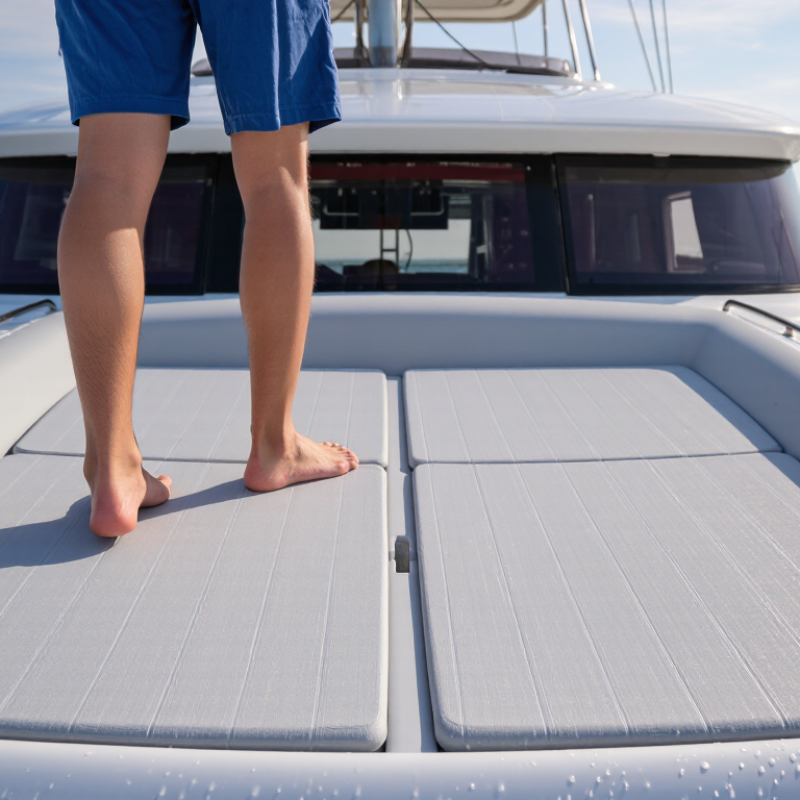
EVA boat deck flooring is a layer of closed-cell foam made from ethylene-vinyl acetate. It is fitted over a boat’s existing deck, rather than serving as a structural surface. Many sheets have a textured top and an adhesive backing. The foam feels softer underfoot than bare fiberglass or aluminum, and its patterned surface can provide grip when damp. It is lightweight, too. That matters on smaller boats, where added weight is worth considering.
Panels are cut to match deck shapes, hatches, and corners. A careful fit starts with a clean, dry surface; dust or old residue can weaken the bond. The texture may collect fish scales, sand, or sunscreen, so routine rinsing and gentle cleaning help keep it tidy. Avoid assuming every cleaner is suitable. Check the flooring and adhesive care instructions before using solvents or stiff brushes.
EVA can cushion footsteps, but it is not indestructible. Sharp gear may nick it, and prolonged sun or heat can affect its appearance and adhesion over time. The exact results depend on material quality, installation, and exposure. It can look deceptively simple. Seams and edges deserve attention, especially around areas that stay wet.
EVA flooring is designed around the conditions found on a working boat deck: spray, changing temperatures, and constant foot traffic. Most marine-grade sheets use closed-cell foam, which limits water absorption and gives shoes a softer surface to grip. A lightly embossed pattern adds traction without creating a surface that is difficult to wipe clean. Salt is relentless.
Thickness and firmness affect how the deck feels underfoot. A cushioned sheet can ease pressure during a long day at the helm, but overly soft foam may dent under heavy gear. Cutouts around hatches, seat bases, and storage lids help the flooring fit the boat’s layout. Small gaps matter; trapped sand can rub against the deck beneath the foam.
Marine use also calls for attention to sunlight and installation. Some products include UV-resistant additives, though performance varies, so published care and exposure guidance is worth checking. The deck should be clean, dry, and smooth before adhesive-backed flooring is fitted. That part is easy to underestimate. Strong sun can warm both the foam and the adhesive, and poorly prepared edges may lift over time. EVA is not maintenance-free; rinse away salt and inspect seams, especially near high-traffic areas.
| Design Feature | Typical Construction or Specification | Marine Purpose | Practical Consideration |
|---|---|---|---|
| Closed-cell foam structure | Flexible, closed-cell ethylene-vinyl acetate (EVA) foam; sheet properties vary by product. | Provides a cushioned surface and limits water uptake into the foam itself. | Water can still collect at edges or seams, so drainage and installation quality matter. |
| Foam thickness | Many marine deck sheets are offered in approximately 5–8 mm thicknesses, with other options available. | Adds cushioning underfoot and can help soften minor impacts. | Check hatch, locker, and door clearances before choosing a thicker sheet. |
| Textured walking surface | Common finishes include grooves, embossed patterns, or brushed textures. | Provides grip underfoot and may help channel small amounts of surface water. | Grip depends on the pattern, footwear, contamination, and conditions; no surface prevents every slip. |
| Marine adhesive backing | Many products use a pressure-sensitive adhesive intended for marine installation. | Secures the sheet to a clean, suitable deck surface without mechanical fasteners through the flooring. | Follow the adhesive instructions, prepare the substrate, and allow the specified curing time. |
| UV and weather exposure | Marine-use formulations are designed for outdoor exposure, but resistance varies among products. | Helps the flooring withstand sunlight and changing weather during normal service. | Long-term sun exposure can still contribute to fading, surface wear, or adhesive deterioration. |
| Custom-cut panels | Sheets can be cut to fit deck areas, steps, and other flat or gently contoured surfaces. | Allows coverage around boat-specific layouts and fittings. | Leave suitable access to drains, inspection points, fasteners, and removable deck hardware. |
| Color and surface pattern | Available options commonly include solid colors and contrasting patterns or grooves. | Supports a coordinated deck appearance and can make walking areas easier to identify. | Lighter colors may show dirt less readily in some conditions but can still stain; clean according to product guidance. |
| Cleaning and maintenance | Routine care generally uses fresh water and a mild cleaner compatible with the flooring. | Helps remove salt, dirt, and other surface residue. | Avoid harsh solvents or abrasive tools unless the flooring manufacturer confirms they are suitable. |
Note: Specifications and performance differ between EVA flooring products. Confirm the product’s installation instructions, compatibility with the deck material, and care requirements before fitting.
EVA foam decking adds a softer, textured surface to hard fiberglass or aluminum decks. Under bare feet, it can feel less harsh during long days aboard. Its grooves also help channel shallow water away from walking areas. That matters. Still, traction varies with the foam texture, dirt, and wear. EVA is not a cure-all for slippery decks.
The U.S. Coast Guard’s 2023 Recreational Boating Statistics reported 3,844 recreational boating incidents and 2,126 injuries. Those figures do not prove that EVA prevents falls. They do underline why deck condition deserves attention. Quality EVA is typically lightweight and easy to cut around hatches and seat bases. It can also soften the impact of dropped gear. However, prolonged sun exposure, poor installation, or trapped grime may shorten its useful life. Adhesive edges can lift, too.
Tips: Clean and dry the deck before installation, and test a small area first. Rinse grooves often; grit can hide there. Check edges and seams regularly, especially after a hot season. Don’t assume worn foam is still grippy. Replace damaged sections when needed.
EVA boat deck flooring can add grip and cushioning, but a lasting result depends on careful preparation. Start by removing dirt, old adhesive, and loose fittings from the deck. The surface must be clean and completely dry. Check for oil, wax, or flaking paint; these can weaken the bond. Follow the flooring adhesive’s temperature and surface guidelines, since conditions vary. A rushed installation can lift at the edges later.
Make a paper template around hatches, seats, and corners, then test-fit each piece before removing its backing. Trim gradually with a sharp knife. Small adjustments matter. Once positioned, press from the center outward and use a firm roller to push out air pockets. Pay extra attention to seams and edges. A cut that is slightly off is frustrating, and it is worth slowing down before making the next one. Allow the adhesive to set for the time stated in its instructions before heavy use.
For routine care, rinse away salt and grit, then wash with mild soap and water using a soft brush. Avoid harsh solvents, wire brushes, and abrasive pads; they can damage the foam surface. Let the deck dry, and inspect seams after long trips or temperature changes. If an edge begins to lift, clean and repair it promptly with a compatible adhesive rather than pulling at the flooring.
EVA boat deck flooring is often a practical choice for boats where people stand, move, or sit close to the water. Small fishing boats can benefit from a cushioned surface around casting areas and seat bases. On pontoons, it can make busy walkways more comfortable under bare feet. Good grip helps. The textured surface may also be useful on tenders and compact powerboats, where wet shoes and limited space can make each step feel less secure.
Kayaks and other small craft may suit EVA decking when owners want added comfort on standing areas or footwells. Fit matters, though. The surface beneath the foam should be clean, sound, and suitable for the chosen adhesive; dirt or peeling coatings can weaken the bond. Boats exposed to strong sun, salt, and frequent washdowns need regular inspection for lifted edges and trapped moisture. A quick check can prevent a loose corner from becoming a bigger repair. EVA can soften footsteps, but it will not fix a slippery layout or protect damaged decking underneath. It may not be the right choice for every boat, and that is worth considering before covering a large area.