$0.00
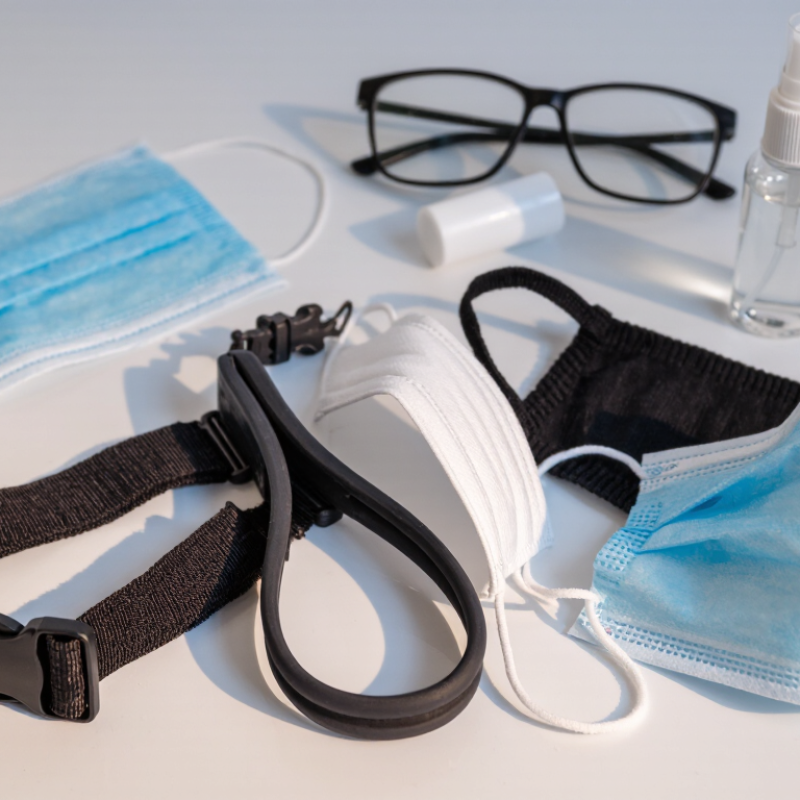
A Mask Strap is a simple accessory designed to hold a face mask in place or make it easier to manage between uses. Depending on its style, it may connect the mask’s ear loops behind the head, rest around the neck, or adjust the tension of the loops. The small details matter. A soft, adjustable strap can help reduce pulling behind the ears during a long shift, while a short connector may keep a mask from slipping off when briefly lowered.
Fit still matters. A strap should feel secure without tugging the mask away from the face or creating pressure points. It does not replace a well-fitting mask, and it cannot make an unsuitable mask protective. Check that the mask covers the nose and mouth as intended, and follow the manufacturer’s care instructions for both items. Clean reusable straps regularly, and inspect them for stretched elastic, rough edges, or damaged fasteners. Small wear can be easy to miss.
The right choice depends on your routine. Someone wearing glasses may prefer a design that avoids crowded ear loops; another person may value quick adjustment at work or while traveling. There is no single best style. I have found it easy to focus on comfort and overlook whether a strap is simple to clean. That trade-off is worth considering. A Mask Strap is useful when it improves comfort or handling without compromising the mask’s fit.
A diving mask strap helps keep the mask in position as you move underwater. It passes around the back of the head and holds the mask against the face, reducing the chance that it shifts when you turn or look down. A properly adjusted strap should feel secure, not tight. The mask skirt—the soft edge around the lens—needs to sit evenly against clean skin to form a seal. The strap supports that fit; it cannot fix a poorly seated mask.
Small adjustments matter. Keep the strap level around the back of your head, rather than letting it slide toward your neck. Move hair away from the skirt, and check that the buckles are not pressing uncomfortably near your ears. Before entering the water, place the mask gently on your face and breathe in lightly through your nose; it should stay in place briefly without the strap. Then fasten the strap and make a final comfort check. Too much tension can create pressure points or distort the skirt. It is an easy mistake to make. A little slack is often better than a mask pulled painfully tight.
A mask strap holds the mask in position while you move, but it does not create the seal by itself. The soft skirt around the mask must sit evenly against your face. Strap tension helps keep that contact steady, especially when you turn your head or enter the water.
Too-loose straps can let the mask shift, creating a gap near the cheeks or forehead. Too-tight straps can distort the skirt and make those gaps worse. Not tighter. A strap should feel secure without pressing painfully or leaving deep marks. It is easy to assume extra pressure means extra protection, but that is not always true.
For a simple fit check, clear hair from beneath the skirt and place the mask gently on your face. Breathe in lightly through your nose; the mask should stay in place briefly without the strap. Then fasten the strap and adjust both sides in small steps. Check that it sits level, not high on the back of your head. Facial shape, facial hair, and movement can affect the seal, so repeat the check if the mask shifts. A small leak still matters. A careful fit check is more useful than pulling the strap as tight as possible.
What Is a Mask Strap Used For?
Materials and Buckles: Common Designs in Diving Masks
A diving mask strap keeps the skirt seated against the face as the diver moves. It should stabilize the mask, not clamp it tightly. Excess tension can press the skirt unevenly and encourage leaks. Small parts matter. Silicone straps are common because they stretch and resist water exposure. Some divers choose padded neoprene covers for comfort, especially with long hair. These materials feel different when wet, so the best fit is personal.
Most masks use adjustable side buckles, often with push tabs or quick-release clips. Swiveling buckles can help the strap lie flat around the head. Grand View Research estimated the global scuba-diving equipment market at USD 4.1 billion in 2022, with projected growth of 5.3% annually from 2023 to 2030. That report covers equipment broadly, not mask straps alone; it signals market scale, not which design performs best. Buckle access matters in practice. Wet fingers, gloves, or cold hands can make small tabs awkward.
Tips: Set the strap low across the back of the head, then adjust until the skirt seals with light pressure. Check both buckles for smooth movement before entering the water. Replace cracked clips or stretched straps; a quick visual check can miss fatigue.
| Design or Material | What It Is | Typical Use or Benefit | Points to Consider |
|---|---|---|---|
| Silicone strap | A flexible, water-resistant strap commonly supplied with modern diving masks. | Holds the mask against the face and can be adjusted for a secure fit. Silicone is generally durable and easy to rinse. | A narrow strap may pull or tangle hair; fit and comfort vary by head shape and strap width. |
| Neoprene strap cover | A soft fabric-covered sleeve that fits over a standard mask strap; the underlying strap is often silicone. | Can make the strap feel broader and more comfortable, and may reduce hair snagging when putting on or removing the mask. | It is an accessory rather than a replacement for the strap; rinse and dry it after use. |
| Split or forked strap | A strap that divides into two bands toward the back of the head. | Spreads contact over a larger area and helps keep the mask positioned during diving. | Position the bands flat and evenly; twisted or uneven bands can feel uncomfortable. |
| Side-release buckles | Buckles attached near the mask frame that allow the strap to be adjusted or released. | Make it easier to put on, remove, and adjust the mask, including while wearing gloves. | Avoid forcing the buckle; check that it is engaged and that the strap is not twisted. |
| Quick-adjust buckles | A buckle mechanism designed to let the wearer lengthen or shorten the strap with a small adjustment. | Helps fine-tune tension for a comfortable seal without overtightening the mask. | Adjust both sides gradually and evenly; the strap should secure the mask without excessive pressure. |
| Swivel or pivot buckles | Buckles that allow the strap connection to rotate or change angle slightly. | Can help the strap follow the shape of the head and reduce awkward strap angles. | The exact movement depends on the mask design; inspect moving parts for sand or damage. |
| Mask strap purpose | A strap passes around the head and holds the mask in position. | It helps maintain the mask’s position and face seal while the diver is in the water. | A strap supports the fit but does not create the seal by itself; the mask skirt and correct fit are also important. |
A mask strap keeps a diving mask positioned on the face while a diver moves through the water. It helps maintain an even seal around the skirt, but pulling it too tight can distort the mask and cause discomfort. A steady fit matters more than maximum tension. Small details matter.
EN 16805:2015 is a European standard for diving masks. It sets requirements and test methods used to assess mask performance and construction. Testing can examine factors such as fit, sealing, and the mask’s field of vision. These checks help identify problems that may not be obvious during a quick look at the surface. The strap and its attachments are part of the overall design, not a substitute for a properly fitting mask.
For a practical check, place the mask on your face without using the strap, then inhale gently through your nose. If it stays in place briefly, the shape may suit you, though this is not a formal test. Check the strap for cracks, stiff areas, or loose attachment points. A standard test result offers useful evidence, but it cannot guarantee comfort for every face. Even careful standards leave room for individual fit.
A mask strap keeps the mask seated against your face while you move through the water. It should hold the skirt gently in place, not squeeze your head. Before diving, check the full strap for cuts, thinning, or stiff, faded sections. Run your fingers along it; small cracks can hide near the edges. A strap that looks fine at a glance may still be brittle.
Inspect the buckle and adjusters, too. Move each side through its range and listen for unusual clicks or grinding. The strap should slide smoothly and stay secure when you tug it lightly. Check that buckle teeth engage fully and that no parts are loose or distorted. A quick pull is not a full test, but skipping it seems worse. If anything slips, sticks, or looks damaged, replace or service the part before entering the water.
Tips: Try the mask on with your hood, if you wear one. Adjust the strap evenly, then check that it rests flat and does not twist. Keep it snug, not painfully tight. Rushing this check is easy; that is worth reconsidering.