Top 10 Uses for Rectangular Plastic Buckets You Should Know?
Rectangular Plastic Buckets have gained significant traction in various industries. According to a recent market report, the demand for plastic containers is expected to reach $27 billion by 2027. This surge is due to their versatility and cost-effectiveness. Many industries utilize these buckets for storage, transportation, and organization, showcasing their utility in daily operations.
From construction sites to home gardening, rectangular plastic buckets are indispensable. They are stackable, making storage easy. These buckets can hold a range of materials, from liquids to solids, providing unmatched flexibility. However, despite their popularity, some may overlook their potential beyond traditional uses. This warrants a closer examination of innovative applications.
Reflecting on the environmental impact, not all plastic products are eco-friendly. The recycling rates for plastic buckets hover around 30%. Hence, exploring sustainable alternatives or proper disposal methods is necessary. Considering both the impressive versatility and the environmental concerns, the role of rectangular plastic buckets demands further exploration and reflection.
Common Household Uses for Rectangular Plastic Buckets
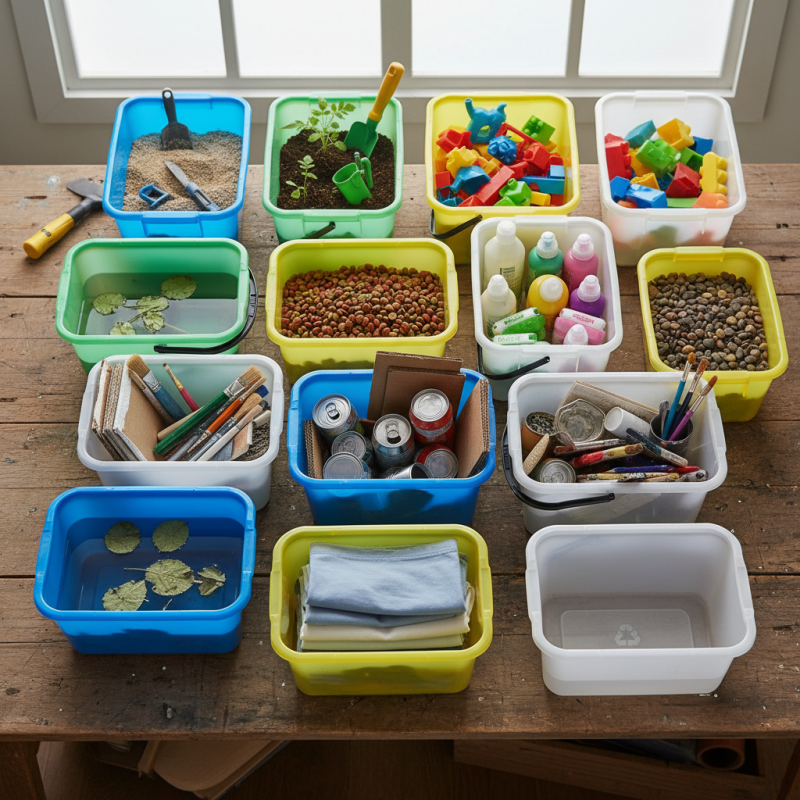
Rectangular plastic buckets are versatile tools in any household. They can serve numerous practical purposes. One common use is for organizing cleaning supplies. You can keep sponges, sprays, and cloths neatly stowed away. This helps maintain a tidy space while making cleaning quick and efficient.
Another great use is for gardening. Fill a bucket with soil and use it for transplanting small plants. It provides a manageable way to bring soil indoors or move plants around. You can even use a bucket to collect yard waste or weeds after a day of gardening.
Tip: Label each bucket for its specific use. This makes it easier to find what you need. Also, consider using them for storing seasonal items, like holiday decorations.
Don’t overlook their use for organizing toys. Rectangular buckets fit nicely in corners and can hold various items. Children can toss their toys into these buckets. However, they may not always remember to put them back.
Tip: Involve kids in cleaning up. Make it a fun activity. Use colorful buckets to attract their interest. They can learn responsibility while enjoying the process.
Creative Gardening Applications for Rectangular Plastic Buckets
Rectangular plastic buckets are surprisingly versatile in gardening. They can serve many functions that enhance your gardening experience. For instance, these buckets can be used as planters for herbs and flowers. Their shape allows for easier space management on patios or balconies. Fill them with quality soil and choose the right seeds. You might want to label them for easy identification.
When using buckets, consider drainage. It's essential for healthy plants. You can create holes in the bottom of each bucket to let excess water escape. Without drainage, your plants may struggle to thrive. This oversight can lead to root rot. Also, it’s crucial to monitor sun exposure. Some plants need more light than others.
Tips for using buckets creatively can elevate your gardening game. Try hanging your buckets to maximize space. Utilize chains or ropes to suspend them. This method can create an eye-catching vertical garden. Don’t be afraid to mix colors or patterns. You might discover an unexpected harmony in your garden arrangement. Just remember, experimentation can lead to new, unforeseen challenges. Embrace imperfections as part of the growing process.
Organizational Solutions: Storing Tools and Supplies in Buckets
When it comes to organizing tools and supplies, rectangular plastic buckets offer a practical solution. They can hold various items without taking up too much space. You can use them in the garage for tools like hammers, wrenches, and screwdrivers. Each bucket can represent a different category, making it easy to locate what you need.
Tips: Label each bucket with clear tags. This makes it easier to find things quickly. Use different colors for added organization. This can help you spot specific tools at a glance. Group similar items together for quick access.
For crafts or gardening supplies, these buckets also shine. Fill one with paintbrushes and color swatches. Another for potting soil and gardening tools. Everyone struggles with clutter sometimes. A little effort can make your space tidy. But keeping things organized takes practice.
Tips: Reevaluate your buckets occasionally. What was once useful may no longer be needed. Reducing the items helps create a more functional setup. Don't be afraid to let go of things that aren’t serving a purpose.
Utilizing Buckets for Cleaning Tasks and Water Transportation
Cleaning tasks often require efficient tools. Rectangular plastic buckets fit this purpose well. They hold a good amount of water. Fill one with warm soapy water to tackle tough stains. It’s an easy way to soak dirty mops or cloths. Remember to change the water frequently. This prevents spreading grime around your home.
For water transportation, buckets shine. They are stackable and easy to carry. If you need to move large amounts of water, use these buckets. They prevent spills better than many containers. Just be careful at the edges; a small bump can cause a mess.
Tips: Think about using colored buckets. Color coding helps keep tasks organized. A green bucket could be for garden use, while a blue one is for cleaning. Always check for cracks before using a bucket to avoid leaks. Sometimes, a bucket that looks fine can still leak water. Being mindful of these small details saves time and effort.
Innovative DIY Projects Involving Rectangular Plastic Buckets
Rectangular plastic buckets are more than just storage solutions. They can transform into creative DIY projects that add function and style to any space. According to a report from the Plastic Industry Association, over 80% of households utilize plastic buckets, which shows their versatility.
Turn a rectangular plastic bucket into a stylish garden planter. Simply add drainage holes and fill it with soil and plants. You can even paint the bucket for a personalized touch. Also, consider using them for organizing your garage. Stackable buckets can hold tools or sporting equipment. Durability ensures they can withstand wear and tear.
Another creative use involves creating a portable pet wash station. Fill a bucket with water and use it outdoors to wash your dog. This keeps messes contained and offers convenience. A study by the National Association of Home Builders suggests that many homeowners have reported improved outdoor experiences through simple solutions like this. However, not every DIY project may go as planned. Mistakes might happen, such as incorrect sizes or poor drainage. Embracing these imperfections can lead to innovative adjustments.

