Top Thermal Paper Manufacturers in China What You Need to Know?
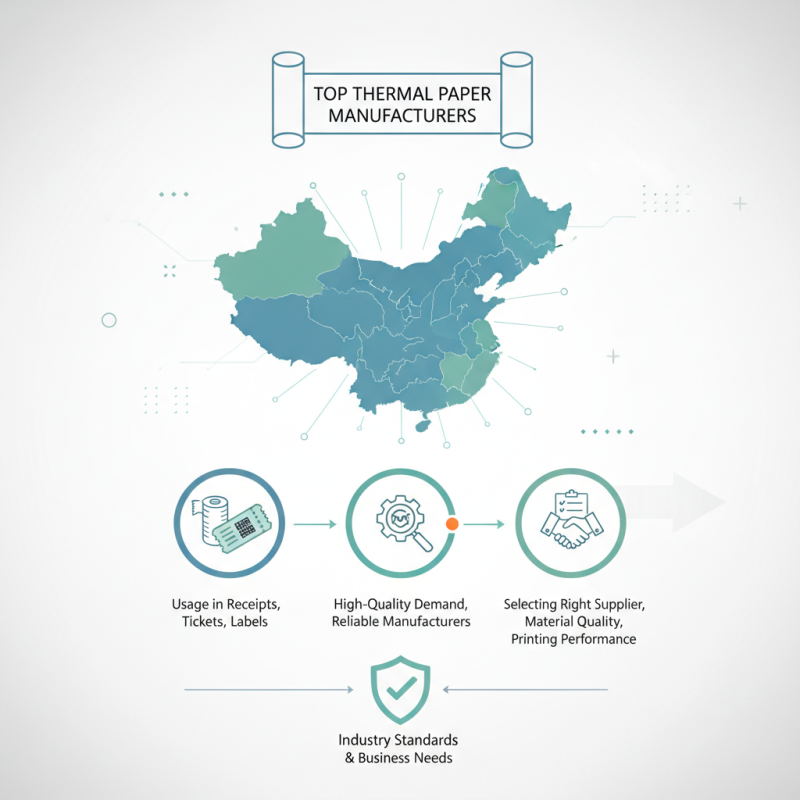
In the bustling landscape of manufacturing, thermal paper plays a crucial role. It's widely used in receipts, tickets, and labels. As technology advances, the demand for high-quality thermal paper increases. This demand highlights the significance of reliable Thermal Paper Manufacturers in China.
China has become a hub for thermal paper production. The country boasts a diverse range of manufacturers. However, not all manufacturers offer the same quality. Some focus on cost rather than durability, which can lead to subpar products. Understanding the characteristics of reputable thermal paper manufacturers is essential for businesses.
Selecting the right supplier impacts operational efficiency and customer satisfaction. Businesses must consider factors like material quality and printing performance. It's vital to research and identify manufacturers that meet specific needs. By choosing wisely, companies can ensure they receive a product that aligns with industry standards.
Overview of the Thermal Paper Market in China
The thermal paper market in China is experiencing significant growth. According to recent industry reports, the market is projected to reach a value of approximately USD 2.5 billion by 2025. This growth is fueled by the increasing demand for thermal paper in various sectors, including retail, logistics, and healthcare. The shift towards cashless transactions has also driven the need for efficient receipt printing solutions.
In terms of production, China remains one of the largest manufacturers of thermal paper globally. A report from Qianzhan Industry Research indicates that China produces around 50% of the world’s thermal paper supply. However, the industry faces challenges. Issues such as fluctuating raw material prices and environmental regulations are impacting production costs. Companies must adapt to these changes to maintain competitive edges.
The market is also witnessing technological advancements. Newer coating techniques enhance the quality of thermal paper. These innovations improve durability and provide better performance in various printing environments. However, not all manufacturers are keeping pace with such developments. Some still rely on outdated technologies, which may limit their market capabilities.
Top Thermal Paper Manufacturers in China - Overview of the Thermal Paper Market
| Manufacturer Type | Production Capacity (Tons/Year) | Market Share (%) | Key Applications |
| Large Manufacturers | 50000 | 40% | Retail, Logistics |
| Medium Manufacturers | 25000 | 30% | Healthcare, Hospitality |
| Small Manufacturers | 10000 | 20% | Point of Sale, Event Ticketing |
Key Players in the Chinese Thermal Paper Manufacturing Industry
The thermal paper manufacturing industry in China has seen significant growth, driven by rising demand in various sectors. Key players in this market include a mix of well-established companies and emerging players, focusing on innovation and sustainability. According to a recent industry report, China's thermal paper market reached a valuation of approximately $4.5 billion in 2022, with a projected growth rate of 5.2% annually. This positions China as a major player in the global thermal paper supply chain.
Manufacturers are increasingly adopting eco-friendly processes to meet market demands. Companies are prioritizing sustainable sourcing of raw materials and reducing waste. For instance, some manufacturers have begun using recycled materials, which could appeal to environmentally conscious consumers. However, challenges still exist, such as fluctuating raw material costs and regulatory pressures that impact production strategies.
Tip: When researching suppliers, consider their commitment to sustainability. Certifications in eco-friendly practices often indicate a manufacturer's reliability. Additionally, keep an eye on industry trends, as innovation can significantly affect pricing and availability. It may be worth revisiting the list of manufacturers periodically to ensure you're aligned with the best options available.
Technological Innovations in Thermal Paper Production
Thermal paper production has seen remarkable technological advancements in recent years. These innovations are transforming the manufacturing landscape. One key area is the development of eco-friendly thermal papers. Many manufacturers are striving to reduce environmental impact. They focus on using less harmful chemicals in the coating process. This shift not only improves sustainability but also enhances safety for workers.
Another notable trend is the enhancement of printing quality. New techniques allow for sharper images and clearer text on thermal paper. This is vital for industries like retail and logistics, where legibility is crucial. However, challenges still exist. Manufacturers occasionally face inconsistencies in paper quality during production runs. This can lead to waste and increased costs.
Moreover, the integration of digital technologies is reshaping production workflows. Automation in the manufacturing process helps increase efficiency and reduce errors. Yet, reliance on technology can lead to its own set of problems. Over-dependence may result in equipment failures that disrupt operations. It's essential for companies to balance technology with traditional craftsmanship.
Top Thermal Paper Production Capacities in China
Market Trends and Consumer Preferences in Thermal Paper
Thermal paper continues to gain traction in various industries, driven by evolving consumer preferences and market dynamics. The global thermal paper market is projected to reach USD 5.77 billion by 2025, according to market research. A significant growth driver is the increasing demand from retail, banking, and food service sectors, where point-of-sale receipts are essential. The transition to digital is reshaping purchasing behaviors and has implications for printed receipts.
Consumer preferences are leaning towards eco-friendly options. Reports indicate that around 30% of consumers prefer recycled or sustainable paper products. This demand is compelling manufacturers to innovate. They are exploring biodegradable coatings and chemical-free options. While this shift is progressive, challenges persist. Many manufacturers still use traditional thermal papers containing harmful chemicals. There’s a concern about balancing profitability with environmental responsibility.
Furthermore, technological advancements are influencing design and functionality. The incorporation of color-changing inks and enhanced durability is appealing. However, not all innovations guarantee reliable performance. Some products face criticisms over print quality and longevity. As manufacturers navigate these trends, understanding consumer needs remains crucial. Manufacturers will need to adapt or risk falling behind in a competitive market.
Regulatory Standards and Environmental Considerations for Thermal Paper
Thermal paper production is governed by various regulatory standards. These standards ensure the safety and sustainability of thermal paper. Manufacturers must comply with guidelines regarding chemical use. For example, the presence of bisphenol A (BPA) is a significant concern. Many countries are moving towards BPA-free alternatives.
Environmental considerations play a crucial role in thermal paper production. The impact of paper waste on landfills is a pressing issue. Manufacturers are encouraged to implement recycling processes. This not only reduces waste but also helps in conserving resources. The use of eco-friendly chemicals can reduce harmful emissions. Investing in sustainable production methods is essential for long-term viability.
Tip: Always check for certifications when choosing thermal paper. This ensures compliance with safety and environmental standards.
Tip: Consider the lifecycle of thermal paper products. Understanding their impact can lead to more informed decisions.
Balancing production efficiency with
environmental responsibility is challenging. Some manufacturers may overlook these aspects. Continuous improvement and commitment to sustainability are vital in this industry.

