Top Protective Clothing Suppliers in China What to Know?
In recent years, the demand for Protective Clothing in various industries has surged significantly. According to a report by MarketsandMarkets, the global protective clothing market is projected to reach $12.21 billion by 2027, growing at a CAGR of 6.0% from 2022. This upward trend highlights the increasing recognition of the vital role that protective clothing plays in ensuring safety and health.
China has emerged as a key player in the production of protective clothing, supplying a substantial portion of the global market. Various industries, particularly construction, healthcare, and manufacturing, rely heavily on these garments. High-quality protective clothing can prevent injuries and reduce health risks, making it essential in hazardous environments. However, not all suppliers meet the rigorous standards required in this sector, leading to concerns over quality and reliability.
When selecting a protective clothing supplier in China, buyers must consider several factors. Certifications, material quality, and supply chain reliability are critical. The proliferation of suppliers can be overwhelming, pushing buyers to conduct thorough research. While many suppliers demonstrate expertise, some may lack the technical knowledge to deliver optimal safety solutions. Therefore, understanding the landscape of the protective clothing market is imperative for making informed decisions.
Overview of Protective Clothing Industry in China
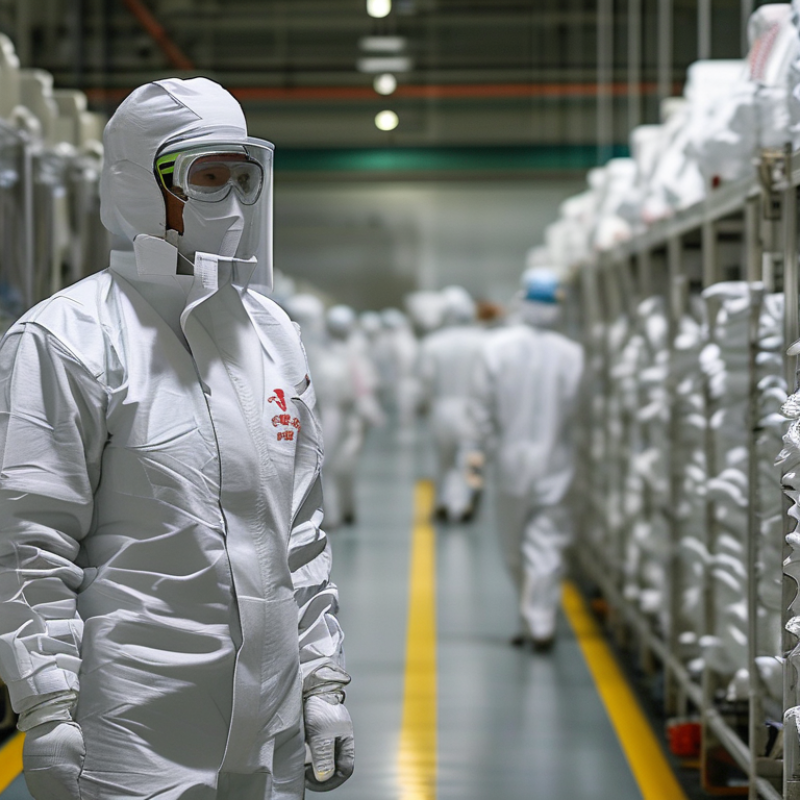
The protective clothing industry in China has seen significant growth in recent years. According to a report by ResearchAndMarkets, the market was valued at approximately $4.4 billion in 2020 and is expected to reach $8 billion by 2025. This sharp increase reflects a growing awareness of safety standards across various sectors, including healthcare and manufacturing.
The demand for high-quality protective clothing is increasing. Workers require garments that provide adequate protection from hazardous materials and environments. Compliance with national safety regulations is paramount. The variety of materials used in protective apparel includes not only traditional fabrics but also advanced textiles that enhance durability and resistance.
The industry's expansion also faces challenges. Not all manufacturers prioritize safety standards. This inconsistency can lead to subpar products entering the market. As buyers, companies must conduct thorough assessments before procurement. Understanding the certification process and checking for compliance can prevent potential risks. The rapid growth of this sector indicates a pressing need for continuous improvement in product quality and safety measures.
Key Features of High-Quality Protective Clothing
When selecting high-quality protective clothing, specific features are vital. Fabric choice is paramount. Materials should be durable and offer resistance to chemicals, flames, and abrasions. A report by Grand View Research highlights that the global protective clothing market is expected to grow significantly, driven by rising safety regulations. The right fabric can greatly enhance worker safety in various industries.
Fit and comfort are equally important. Protective clothing should allow for freedom of movement without compromising on safety. Many workers find bulky garments hinder performance. According to the Occupational Safety and Health Administration (OSHA), proper fit can boost compliance in safety protocols. Clothing that is too loose or too tight increases the risk of accidents.
Design features also matter. Look for garments with reflective strips for visibility and pockets for practicality. The ideal protective clothing should fuse design with function. However, not all garments deliver on these aspects. Some protective gear can be heavy and uncomfortable, diminishing its effectiveness. Balancing protection and comfort remains a challenge for many manufacturers in this evolving field.
Top Protective Clothing Features Overview
This chart represents the key features of high-quality protective clothing, highlighting their importance in various industries.
Top Suppliers of Protective Clothing in China
When considering suppliers of protective clothing in China, it's essential to focus on several key qualities. Each supplier should demonstrate expertise in safety garment standards. Many specialize in areas like industrial safety, medical protection, or general workwear. This specialization helps ensure products meet industry requirements.
A reliable supplier emphasizes quality control and material selection. Regular audits and inspections are necessary to maintain standards. Some suppliers might struggle here, leading to inconsistencies. It's crucial to find partners committed to rigorous testing protocols. Look for those who invest in research and development for innovative and effective materials.
Communication is another vital factor. Suppliers should be responsive and transparent. Many buyers experience delays due to poor communication. Establishing clear lines of communication can significantly reduce misunderstandings. A partnership built on trust and professionalism can help both parties thrive in a competitive market.
Top Protective Clothing Suppliers in China What to Know?
| Category | Material Type | Certifications | Annual Production Capacity | Export Markets |
| Safety Coveralls | Polyester/Cotton | ISO 9001, EN 343 | 500,000 units/year | North America, Europe |
| Medical Gowns | SMS Non-Woven Fabric | CE, FDA | 1,000,000 units/year | Asia, Europe |
| Face Masks | Polypropylene | ASTM Level 3 | 5,000,000 units/year | Global |
| Protective Gloves | Nitrile, Latex | ISO 13485, EN 455 | 300 million pairs/year | North America, Asia |
| Industrial Aprons | PVC, Canvas | EN 13832, ISO 14116 | 250,000 units/year | Europe, Australia |
Factors to Consider When Choosing Suppliers
When selecting protective clothing suppliers in China, several factors should be taken into account. Assess the supplier's experience in the industry. An established provider often exhibits better quality control and understanding of materials. Look for a supplier with a solid track record. This assurance can significantly impact the safety standards of the protective gear you require.
Quality certifications are essential. Ensure that the supplier meets international safety standards. These certifications indicate reliability. However, questioning a supplier's claims is also necessary. Sometimes, certifications may not cover every aspect of production. Research thoroughly to understand what these certifications entail and what they do not.
Also, consider the supplier's customer service. Open communication can make or break your experience. A responsive supplier is more likely to address concerns promptly. Delays can lead to significant issues. Take your time to evaluate their communication methods. An efficient order process can indicate how well they manage their operations. This detail might reflect their overall reliability.
Trends and Innovations in Protective Clothing Manufacturing
The protective clothing manufacturing industry is witnessing significant trends and innovations. With an increased focus on safety, manufacturers are adopting advanced materials. These materials often provide enhanced breathability and durability. By integrating technology, companies are creating garments that are both functional and comfortable.
Innovative designs are crucial. For example, 3D knitting technology allows for seamless garments, reducing pressure points. This leads to increased mobility for users. Furthermore, the adoption of smart textiles can monitor environmental conditions. This provides real-time data for the user, enhancing safety on job sites.
Tips for selecting protective clothing include considering the specific hazards of your environment. Always check for certifications that validate the safety features of the garments. Additionally, assess the fit and comfort; this directly affects the wearer's effectiveness. Remember that not all materials are created equal, and investing in quality is essential for safety and durability.

