
Skip to content

Top 10 Polycarbonate Material Tips for Global Buyers?

Polycarbonate Material has gained popularity worldwide due to its exceptional durability and versatility. Many industries rely on this material for various applications, including construction, automotive, and electronics. Understanding its properties is crucial for global buyers who seek to make informed decisions.

The unique characteristics of polycarbonate material make it a preferred choice. It is lightweight, impact-resistant, and capable of withstanding harsh environmental conditions. However, not all products are created equal. Buyers must be cautious and consider factors such as quality and supplier reliability.

Amid the plethora of options, navigating the global polycarbonate market can be challenging. Common pitfalls include selecting inferior products or overlooking critical specifications. By exploring expert tips, buyers can enhance their purchasing strategies and avoid costly mistakes. This guidance will empower businesses to maximize their investments in polycarbonate material while ensuring product integrity and performance.
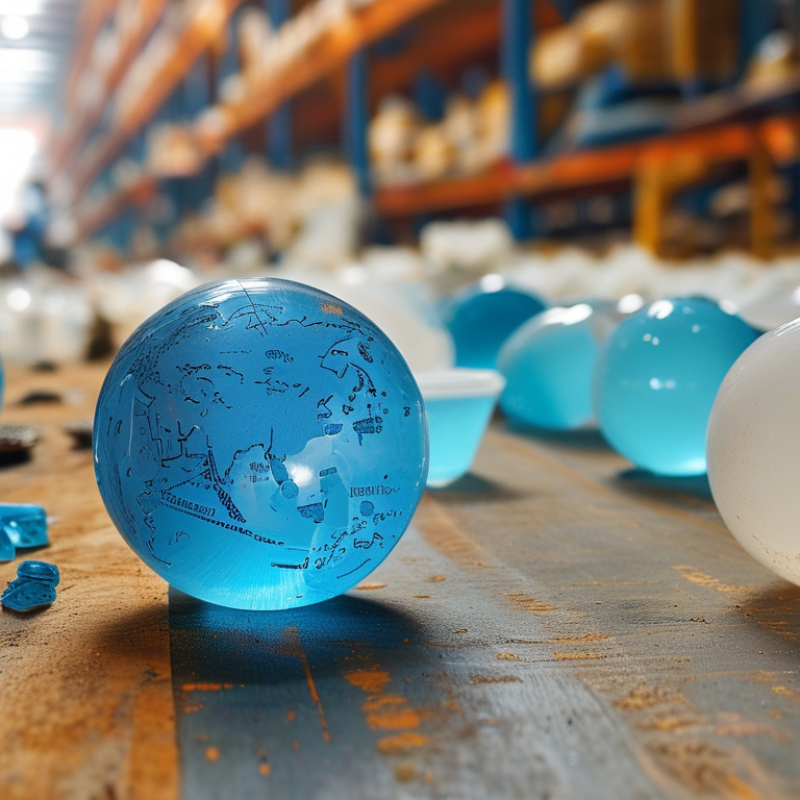
Top 10 Polycarbonate Material Tips for Global Buyers?

Understanding Polycarbonate Material and Its Applications

Polycarbonate is an incredibly versatile thermoplastic known for its glass-like clarity and durability. According to a report by Smithers Pira, the global polycarbonate market is expected to reach approximately 3.29 million tons by 2025. This material's applications span automotive, construction, and electronics sectors. For instance, it is often used for bullet-resistant windows in public buildings, offering superior safety without compromising transparency.

Another key area for polycarbonate use is in the production of safety equipment. Data from the American National Standards Institute indicates that polycarbonate helmets and goggles are favored for their lightweight design and high impact resistance. While polycarbonate is generally reliable, it can be susceptible to UV light degradation without proper coatings. As a result, users should consider the environment where the material will be employed.

Ultimately, understanding polycarbonate's properties is crucial for buyers. It’s vital to ensure that the selected type is suited for specific applications. Adjusting to these needs may require additional investment in protective finishes or blending with other materials for enhanced performance. Reflecting on these aspects will better inform purchasing decisions in the dynamic global market.

Top 10 Polycarbonate Material Tips for Global Buyers

Tip Number Tip Description Applications Benefits
1 Choose UV-stabilized polycarbonate. Roofing, skylights. Longer lifespan outdoors.
2 Consider the thickness of the material. Safety barriers, glasses. Enhanced impact resistance.
3 Assess thermal insulation properties. Greenhouses, building facades. Energy efficiency.
4 Verify compatibility with chemicals. Laboratories, industrial applications. Avoiding deterioration.
5 Check for flame-retardant options. Electronics housing, automotive parts. Increased safety standards.
6 Look for lightweight formulations. Portable devices, drones. Ease of handling and transportation.
7 Prioritize optical clarity for window panels. Display units, signage. Better visibility and aesthetics.
8 Consider custom molding capabilities. Unique designs and applications. Tailored solutions.
9 Evaluate recycling options. Sustainable manufacturing. Reduced environmental impact.
10 Stay updated on industry trends. All applications. Informed decision-making.

Key Factors to Consider When Sourcing Polycarbonate Products

When sourcing polycarbonate products, certain factors are essential. Understanding the specific application can significantly impact your choice. Polycarbonate is widely used in various industries, from construction to electronics. Each application may require different properties, such as impact resistance or UV stability.

Another critical factor is supplier reliability. Not all suppliers have the same quality standards. Seek vendors with a track record in delivering consistent quality. It’s vital to request samples to evaluate them personally. This practice may uncover discrepancies you didn’t expect.

Additionally, pay attention to the material specifications. Not every polycarbonate is created equal. Variations can exist in terms of thickness, color, and finish. Be sure to discuss product certifications and compliance with standards. This can ensure the products meet your project requirements. Understanding these factors helps in making informed purchasing decisions.

Evaluating Polycarbonate Manufacturers for Quality Assurance

When evaluating polycarbonate manufacturers, quality assurance is crucial. Buyers must consider certifications that reflect industry standards. This indicates a commitment to maintaining quality in the production process. Often, manufacturers provide documentation validating their materials and processes.


Visiting manufacturing facilities can offer deeper insights. Observing operations firsthand helps assess hygiene standards and workforce safety. Questions about production techniques and sourcing of raw materials are vital. It’s essential to engage with staff to gauge their expertise and experience.


Trust develops over time through transparent communication. Requests for samples can also showcase the material's actual performance. Analyzing their customer service responsiveness can highlight potential issues. This proactive approach ensures that your supplier meets your expectations consistently.

Cost Analysis of Polycarbonate Materials for Global Buyers

When considering polycarbonate materials, cost analysis is crucial for global buyers. Understanding pricing structures helps make informed decisions. Polycarbonate, known for its durability and versatility, varies in cost based on thickness, quality, and region. A thorough market research can provide insights into average prices across different suppliers.

Investing in polycarbonate requires careful planning. Buyers should assess their specific needs. Higher-grade materials may come with a price premium, but they offer superior performance. Sourcing locally can minimize shipping costs, which is often overlooked. Comparing quotes from various suppliers is vital, yet it’s easy to miss hidden fees.

**Tip #1:** Always request samples before purchasing. This helps evaluate quality and suitability. **Tip #2:** Consider bulk purchasing to reduce costs. It can significantly lower the price per unit. **Tip #3:** Stay updated on market trends. Prices can fluctuate based on demand and raw material costs. By staying informed, you can better anticipate changes in pricing. Understanding these factors will empower buyers to make smarter choices in a competitive market.

Cost Analysis of Polycarbonate Materials for Global Buyers

Sustainability and Lifecycle Considerations in Polycarbonate Use

Polycarbonate, a widely used material, brings unique advantages but also environmental considerations. As a global buyer, understanding its lifecycle is essential. Polycarbonate is durable and lightweight, making it attractive for various applications. However, its production process involves significant energy use and resources. Reflecting on this aspect is crucial for sustainable sourcing practices.

One must consider recyclability. While polycarbonate can be recycled, existing infrastructure for recycling can be limited in many regions. This raises questions about how to manage waste effectively. Buyers should actively seek suppliers who prioritize the recycling of polycarbonate, ensuring a more circular economy. It's not just about using a material for its benefits; it's also about how we handle it at the end of its life.

Sustainability starts with informed choices. When choosing polycarbonate, assess the long-term impacts on the environment. Engage with manufacturers about their sustainable practices. Every decision counts, and awareness of the lifecycle can lead to smarter purchasing. Addressing these concerns not only benefits the planet but enhances your brand's credibility in eco-conscious markets.