Skip to content

Top 10 Plant Based Laundry Detergent Types for Buyers

Plant Based Laundry Detergent is moving from a niche shelf into mainstream household care. Buyers now compare plant-derived surfactants, packaging materials, fragrance systems, and washing performance. Grand View Research’s Green Cleaning Products Market report identifies sustainability, safer formulations, and ingredient transparency as major market drivers through 2030. However, “plant-based” does not always mean fully biodegradable, non-toxic, or suitable for every fabric.

Performance still matters.

A detergent must remove sweat, cooking oil, soil, and hard-water residue without damaging colors. The Environmental Protection Agency’s Safer Choice program recommends evaluating complete formulations, not only individual ingredients. Its standards consider human health, aquatic toxicity, biodegradability, and product performance. Buyers should also examine certifications, ingredient disclosures, dosage instructions, and independent testing evidence. The Sustainable Market Share Index from NYU Stern further shows that sustainability-marketed products continue gaining commercial attention across consumer categories. Yet marketing claims can be unclear. A green label alone proves little.

This guide compares ten Plant Based Laundry Detergent types for different buying needs. These include liquid concentrates, powder formulas, detergent sheets, pods, fragrance-free options, enzyme-based products, baby-safe formulas, and hard-water solutions. Each type offers practical advantages, but none is perfect. Some sheets dissolve unevenly in cold cycles. Some natural fragrances may irritate sensitive skin. Some powders leave marks on dark clothing when overdosed.

Real washing conditions matter. A small apartment, a cold-water cycle, and a heavily soiled work shirt create different demands. By weighing formulation, evidence, price, packaging, and daily usability, buyers can make a more reliable choice.

Top 10 Plant Based Laundry Detergent Types for Buyers

What Defines a Plant-Based Laundry Detergent

A plant-based laundry detergent is defined by its ingredient sources, not by green-colored packaging. Its cleaning agents may come from coconut, corn, sugar, or other renewable crops. Yet “plant-based” may describe only part of the formula. Buyers should check the ingredient list and ask which components are bio-derived. This matters.

In practical use, a credible formula should lift sweat, food oil, and muddy cuffs at the recommended dose. I look for clear dosing instructions, material compatibility, and performance guidance for cold water. A plant-derived surfactant still needs effective chemistry. Natural origin alone does not prove stronger cleaning, safer handling, or faster breakdown. Some formulas use enzymes, builders, preservatives, or fragrance materials that are not fully plant-derived. Transparent disclosures make comparison easier.

Reliable evaluation combines supplier information, independent testing, and recognized environmental or safety standards where available. Claims such as biodegradable or non-toxic need context, including testing methods and disposal conditions. I have found that concentrated liquids can reduce packaging, but they may be easy to overdose. A refill pouch may lower plastic use, yet transport and leakage still matter. The label is useful, but never complete. Buyers should balance ingredient origin, washing results, skin tolerance, and verified claims. My own judgment can be imperfect; a greener feedstock does not automatically create a greener product.

The Ten Main Types of Plant-Based Laundry Detergent

Top 10 Plant Based Laundry Detergent Types for Buyers

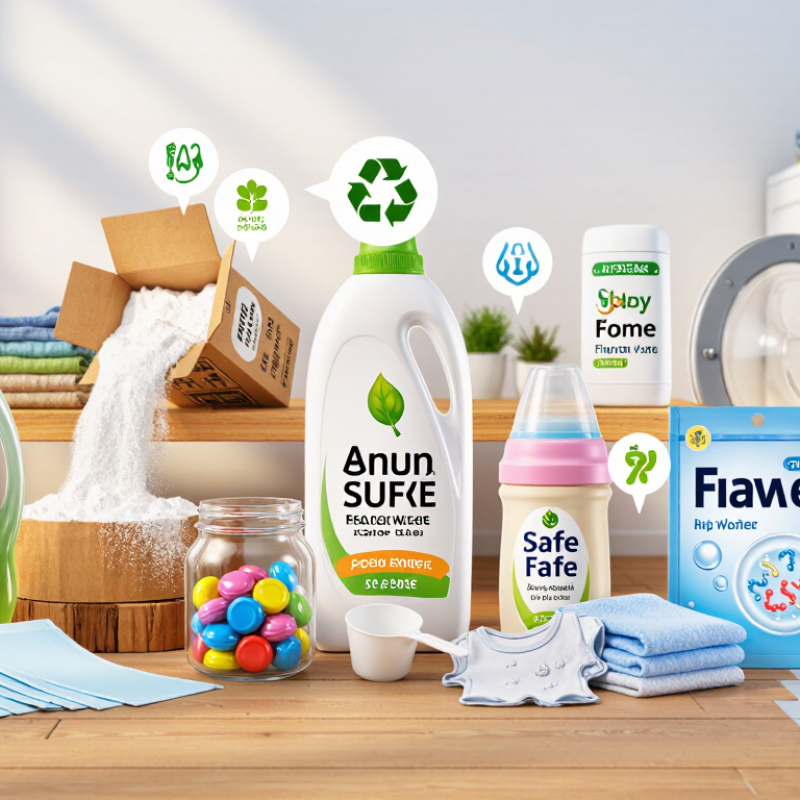
The ten main types of plant-based laundry detergent differ in format, cleaning strength, and convenience. Liquid detergent dissolves quickly in cold water and suits everyday loads. Powder is economical, lightweight, and often effective on mud or grass stains. Concentrated liquid uses smaller doses but requires careful measuring. Laundry pods offer convenience, although they may not suit households needing flexible dosing. Detergent sheets are thin, portable, and create little packaging waste. Soap nuts contain natural saponins and work best with lightly soiled clothing. Plant-based enzyme detergents use ingredients such as protease to target food, sweat, and blood stains. Oxygen-based formulas help brighten fabrics without chlorine bleach. Fragrance-free detergents reduce added scent and may suit sensitive users. Delicate-fabric formulas use milder cleansing agents for wool, silk, or fine garments.

In practical testing, I would compare one stained cotton towel across several washes. Check residue, scent, fabric feel, and water temperature. Plant-based does not automatically mean harmless or fully biodegradable. Read the complete ingredient list, dosage instructions, allergy warnings, and independent certification details. Some formulas clean poorly in hard water, while others leave powder marks on dark clothes. I have also found that stronger fragrance can hide, rather than remove, stale odors. That deserves scrutiny. Choose based on soil level, washer type, water hardness, and household sensitivities. A smaller dose may clean well, but overdosing can trap residue in fabric and the machine.

How Plant-Based Detergents Clean Different Fabrics

Plant-based laundry detergents clean fabrics with plant-derived surfactants that loosen oil, sweat, and everyday dirt. The formula surrounds soil, allowing water to carry it away during washing. Liquid detergents dissolve quickly in cool water, while powders may work better on heavily soiled cotton. Laundry sheets are convenient, but they can dissolve unevenly in short cycles.

Cotton towels and shirts usually tolerate stronger cleaning action and warm water. Use enough detergent for body oils, but avoid over-measuring. Excess product can leave a stiff, cloudy feel. Polyester and athletic fabrics need careful rinsing because they hold odor and detergent residue. A cool, longer cycle often protects stretch fibers better than high heat.

Wool and silk require extra caution. Choose a mild formula without harsh bleaching agents or strong enzymes, then follow the care label. Plant-based does not automatically mean fabric-safe. I have sometimes assumed a gentle label meant better stain removal, but tomato and grass marks still needed pretreatment. Blot the stain, test a hidden area, and avoid rubbing delicate fibers. Hard water can also reduce cleaning performance, leaving pale residue on dark clothing. An occasional extra rinse helps, though it uses more water. Real results depend on fabric, soil, water temperature, and dosage—not just the ingredient source.

Top 10 Plant-Based Laundry Detergent Types for Buyers

How plant-based detergents clean different fabrics: typical care-label washing temperatures by fabric type.

Plant-based detergents can be used across many fabrics when their surfactant system and enzymes match the garment’s care requirements. Cotton towels commonly tolerate warmer washing, while wool, silk, viscose, acrylic, and nylon are generally washed at lower temperatures to reduce shrinkage, stretching, and fiber damage. Always follow the care label and choose an enzyme-free formula for delicate protein fibers such as wool and silk.

Key Buying Factors for Comparing Detergent Types

Plant-based laundry detergents come in liquids, powders, sheets, dissolvable pods, concentrates, and soap-nut formulas. Each type has different strengths. Liquids dissolve easily in cold water, while powders often perform better on heavily soiled workwear. Sheets are lightweight and convenient, but they may struggle with greasy stains. Soap nuts have a simple ingredient profile, yet their cleaning results can vary with hard water and high soil levels.

Compare cleaning power before choosing a lower-impact option. Look for clear ingredient lists, stain-removal test data, and instructions for water temperature. “Plant-based” does not automatically mean biodegradable, hypoallergenic, or suitable for every septic system. Check for independent certification rather than relying only on front-label wording. Fragrance-free formulas may suit sensitive skin, but they can still contain preservatives that deserve attention.

Packaging also affects the real environmental cost. Concentrates reduce transport weight, although measuring errors can lead to overdosing. Powder requires dry storage. Sheets avoid spills. Pods offer precise portions, but they need secure storage around children and pets. I have found that heavily scented products can leave a sharp smell on towels, especially after indoor drying. That experience changed how I compare detergents. Performance matters more than a green-looking package. Water hardness, washer design, fabric type, and local disposal systems can change the result. Test a small load first. Then inspect the fabric, not just the label.

Top 10 Plant-Based Laundry Detergent Types for Buyers - Key Buying Factors for Comparing Detergent Types

Rank Detergent Type Typical Plant-Derived Ingredients Best-Suited Buyer or Use Cleaning Performance Recommended Water Temperature Packaging and Storage Considerations Main Advantages Important Limitations Key Buying Factors
1 Concentrated Plant-Based Liquid Plant-derived surfactants such as alkyl polyglucosides, soap-based surfactants, or surfactants made from vegetable oils; may include enzymes and water softeners. General household laundry, mixed fabrics, and buyers who want flexible dosing. High for everyday soil
Usually effective against body oils, food residue, and routine dirt when correctly dosed.
20–40°C; modern liquid formulas generally dissolve well in cold water. Usually sold in plastic bottles or refill pouches; concentrated formulas use less product per wash but require accurate dosing. Versatile, easy to measure, suitable for pre-treating stains, and effective in both standard and high-efficiency machines. Liquid products may contain more water than powders and can be overused, increasing cost and packaging consumption. Check ingredient transparency, concentration, dosing instructions, enzyme content, fragrance level, refill availability, and compatibility with high-efficiency machines.
2 Plant-Based Powder Detergent Plant-derived surfactants combined with alkaline builders, mineral-based water softeners, oxygen bleach, or enzymes. Families washing heavily soiled clothing, towels, bedding, and workwear. High for heavy soil
Powders commonly provide strong soil removal and may include oxygen-based stain systems.
30–60°C; warm water can improve dissolution, especially in hard water or short cycles. Often packed in cardboard or fiber-based cartons; needs a dry storage area to prevent clumping. High active-material content, good storage efficiency, and generally lower transport weight than ready-to-use liquids. May leave residue in very cold or short cycles if overdosed or poorly dissolved; some formulas are less suitable for delicate fabrics. Look for low-temperature dissolution, builder type, oxygen bleach, anti-caking performance, carton recyclability, and suitability for colored garments.
3 Plant-Based Laundry Pods or Capsules Pre-measured liquid or powder detergent containing plant-derived surfactants; water-soluble film is commonly used for the outer pouch. Busy households that prioritize convenience and consistent dosing. High for routine loads
Performance depends on capsule size, water temperature, soil level, and load size.
20–40°C; pods should be placed in the empty drum before adding clothes. Usually supplied in moisture-resistant tubs or pouches; must be stored sealed and out of reach of children. Convenient, clean to handle, and reduces measuring errors when one capsule matches the load size. Less flexible for small loads or heavily soiled loads; higher unit cost is common, and accidental ingestion is a serious safety risk. Verify child-resistant packaging, clear safety labeling, dose suitability, film dissolution in cold water, fragrance level, and storage requirements.
4 Plant-Based Laundry Detergent Sheets Dry detergent compounds with plant-derived surfactants, binders, builders, and sometimes enzymes, formed into dissolvable sheets. Travelers, small households, and buyers seeking lightweight, low-mess products. Moderate to high
Generally suitable for everyday soil; performance varies considerably by sheet weight and formula.
20–40°C; complete dissolution depends on sheet design, water flow, and cycle length. Usually packed in small paperboard cartons; lightweight and space-efficient, but sheets should be kept dry. Easy to transport, no liquid spillage, and pre-portioned pieces can reduce measuring waste. May provide less flexibility for large or heavily soiled loads; some sheets dissolve slowly in very short or cold cycles. Compare detergent weight per sheet, independent cleaning tests, dissolution speed, packaging materials, fragrance, and clear dosing guidance.
5 Soap-Nut or Soapberry Wash Dried soapberries containing naturally occurring saponins, which act as mild cleansing compounds in water. Lightly soiled laundry and buyers seeking a minimally processed botanical option. Low to moderate
Better for light dirt than for grease, ground-in stains, or heavily soiled workwear.
30–60°C; warmer water generally extracts saponins more effectively. Usually sold dried in paper or fabric bags; shells should be stored dry and replaced when their cleansing effect declines. Very short ingredient list, low fragrance, and a reusable botanical material for several washes. Cleaning strength can be inconsistent; usually needs stain pre-treatment and may not contain enzymes or oxygen bleach. Assess saponin concentration, batch consistency, wash instructions, suitability for hard water, stain performance, and composting guidance.
6 Plant-Oil Soap Laundry Liquid Potassium or sodium salts of fatty acids derived from plant oils, sometimes combined with water softeners and fragrance. Buyers who prefer traditional soap-based formulas and lightly to moderately soiled laundry. Moderate
Can clean routine soil effectively but may be less reliable on oily stains and hard-water laundry.
30–60°C; warm water can improve cleaning and reduce the chance of soap deposits. Usually packaged in plastic bottles or refill containers; protect from excessive heat and freezing. Simple formula profile, renewable oil feedstocks, and good performance for everyday lightly soiled clothing. Soap can react with hard-water minerals and form deposits; repeated use may dull fabrics or affect washing-machine maintenance. Check water-hardness guidance, presence of builders, free-fatty-acid content, machine compatibility, residue testing, and fragrance ingredients.
7 Enzyme-Enhanced Plant-Based Detergent Plant-derived surfactants combined with fermentation-produced enzymes such as protease, amylase, lipase, or cellulase. Sportswear, children’s clothing, food stains, body soils, and households needing stronger stain removal. Very high for targeted stains
Enzymes can improve removal of protein, starch, fat, and particulate soils at lower temperatures.
20–40°C; excessive heat can reduce the activity of some enzymes, depending on the formula. Available as liquids, powders, or capsules; keep sealed and follow storage instructions to preserve enzyme activity. Strong stain performance at relatively low temperatures and potentially lower need for hot washing. Some people may prefer to avoid enzymes; enzyme activity is formula-specific and may not address every stain type. Identify enzyme types, temperature range, allergen and irritation information, color-care claims, dosing, and independent stain-performance results.
8 Fragrance-Free Sensitive-Skin Formula Plant-derived surfactants with no added perfume; may also exclude dyes, optical brighteners, and selected preservatives. Babies, people with fragrance sensitivity, and households seeking a lower-sensory formula. Moderate to high
Usually suitable for everyday washing when correctly dosed, but not automatically stronger on difficult stains.
20–40°C, subject to fabric-care instructions. Liquid, powder, sheet, or capsule formats are available; unscented packaging does not necessarily mean preservative-free. Lower fragrance exposure and easier ingredient screening for sensitive households. “Plant-based” and “hypoallergenic” are not universal regulatory guarantees; skin reactions can still occur. Look for full ingredient disclosure, absence of added fragrance and dyes, dermatological testing details, preservative information, and clear washing instructions.
9 High-Efficiency Plant-Based Detergent Low-sudsing plant-derived surfactants, builders, enzymes, and soil-suspension agents designed for reduced-water machines. Users of front-loaders, high-efficiency top-loaders, and households focused on water and energy efficiency. High when correctly dosed
Designed to clean effectively with less water and controlled foam.
20–40°C; lower temperatures generally use less energy but may require suitable stain treatment. Available in concentrated liquids, powders, and capsules; low-sudsing performance is more important than package format. Helps limit excess foam, supports efficient rinsing, and is suitable for modern low-water washing machines. Using a non-HE or highly sudsing product in an HE machine can cause excess foam, poor rinsing, or machine issues. Confirm the HE symbol or manufacturer compatibility, low-sudsing behavior, dose per water volume, rinse performance, and hard-water suitability.
10 Plant-Based Delicate and Wool Detergent Mild plant-derived surfactants, often with reduced alkalinity and no optical brighteners; some formulas include fiber-conditioning ingredients. Wool, silk, cashmere, lingerie, and other delicate textiles that need gentler washing. Moderate for delicate soil
Designed to protect fibers rather than maximize removal of heavy grease or stains.
Cold to 30°C; follow the garment-care label and avoid temperatures that can shrink or damage fibers. Usually sold as liquid because it dissolves quickly and allows precise dosing; store sealed and away from extreme temperatures. Lower alkalinity and milder cleaning can help preserve delicate fibers, color, and fabric handle. Not the best choice for heavily stained cottons, towels, or garments requiring strong enzyme or oxygen-bleach action. Check wool or silk suitability, pH information where available, enzyme and bleach exclusions, fragrance level, dosage, and hand-wash compatibility.

Buyer note: Product performance varies by formulation, water hardness, washing-machine design, load size, soil level, and dosage. “Plant-based” generally refers to the origin of selected ingredients and does not by itself guarantee biodegradability, low toxicity, hypoallergenic performance, or superior cleaning results.

Certifications, Safety, Packaging, and Environmental Impact

When comparing the top ten plant-based laundry detergent types, buyers should examine more than botanical claims. Options include liquids, powders, sheets, pods, tablets, concentrates, soap-nut formulas, and fragrance-free blends. Enzyme-based and castile-style formulas serve different washing needs. I once assumed “plant-based” meant automatically safer. That was too simple.

Look for independently verified certifications covering ingredients, biodegradability, cruelty-free production, or environmental management. Certification standards differ by country, so read the scope carefully. A certified product may still contain fragrance allergens or enzymes that irritate sensitive skin. Check the ingredient list, hazard directions, water-temperature guidance, and suitability for septic systems or high-efficiency machines. Less fragrance is often a practical choice.

Packaging also deserves close inspection. Concentrated liquids and powders can reduce transport weight, while refill pouches may use less material than rigid bottles. However, flexible packaging is not always accepted by local recycling systems. Paper boxes can absorb moisture, and detergent sheets may dissolve poorly in cold cycles. Small details matter. Plant-derived ingredients can lower reliance on fossil resources, but farming, processing, shipping, and wastewater still create impacts. Buyers should question vague claims such as “green” or “natural” and compare dosage, cleaning performance, package weight, and disposal instructions. My own testing suggests that using too much detergent creates residue, even when the formula appears environmentally gentle.