Skip to content

China Top Dog Jacket Manufacturers for Global Buyers

Choosing a reliable China Dog Jacket manufacturer requires more than comparing factory prices. Global buyers must examine materials, construction, testing, communication, and fulfillment capability. A practical supplier should explain fabric weight, waterproof ratings, lining options, zipper quality, and available size ranges. Details matter. A poorly finished neck opening can rub a dog’s skin. Weak stitching may fail during outdoor use.

This guide introduces leading Chinese manufacturers serving international pet product buyers. It focuses on factory experience, product development, quality control, customization, and export support. Buyers can compare OEM and private-label services, sample procedures, minimum order quantities, packaging, and production timelines. Factory audits, product inspections, and clear technical sheets also deserve attention. They reduce avoidable surprises.

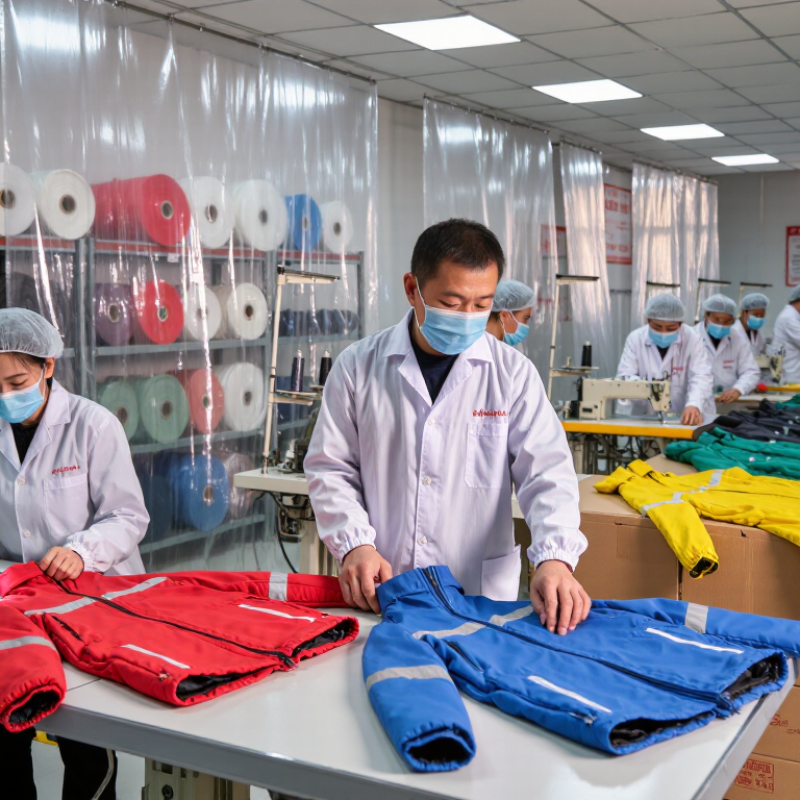
Good manufacturers often provide photos of cutting, sewing, inspection, and packing areas. Some can develop reflective strips, adjustable closures, fleece linings, or lightweight rain protection. However, no supplier is perfect. A polished website does not prove consistent production quality. Samples may look excellent, while bulk orders reveal small differences. That risk deserves honest consideration.

The right Dog Jacket partner should respond clearly and document every important detail. Ask for material specifications, tolerance standards, test records, and corrective-action procedures. Confirm whether the supplier understands your target market and animal comfort requirements. A warm coat may suit a winter city, but it can be unsuitable for a humid climate. Careful evaluation builds safer products, stronger branding, and more dependable long-term cooperation.
China Top Dog Jacket Manufacturers for Global Buyers

China’s Dog Jacket Manufacturing Industry and Product Categories

China’s dog jacket manufacturing industry serves pet retailers, distributors, and custom importers worldwide. Manufacturers commonly produce lightweight raincoats, insulated winter jackets, fleece layers, cooling vests, and reflective safety coats. Each category addresses a different walking condition, from wet city streets to freezing outdoor trails.

Production usually combines polyester, nylon, fleece, cotton blends, and water-resistant coatings. Factories may offer size grading from small breeds to large working dogs. Practical details matter. Adjustable chest straps improve fit, while covered seams reduce moisture entry. Reflective piping helps visibility near roads. Some suppliers also develop reversible jackets, leash openings, and removable hoods.

From my experience reviewing product samples, accurate measurements often matter more than decorative patterns. A jacket can look attractive but restrict shoulder movement. This is a common mistake. Manufacturers typically use sample approval, fabric testing, stitching checks, and final inspections to control quality. Buyers should request measurement charts, wash-test results, packaging details, and production photos before placing larger orders. Some factories communicate clearly; others need repeated clarification. That difference can affect delivery accuracy, sizing consistency, and future cooperation. Seasonal capacity also deserves attention, because winter orders may increase suddenly and create production pressure.
How China’s Dog Jacket Manufacturers Design and Produce Apparel

China’s dog jacket manufacturers develop apparel through practical testing, careful pattern work, and repeated sample adjustments. Designers measure chest girth, neck size, back length, and leg movement before creating a graded pattern. Small and large dogs need different proportions, not simply scaled measurements. Fabrics may include water-resistant polyester, fleece lining, breathable mesh, or lightweight recycled materials. Manufacturers usually prepare a sample, test its fit, and revise the collar, seams, or fastening position. A jacket that looks attractive can still restrict shoulder movement. That detail is often missed.

Production normally begins after the buyer approves the sample, fabric, colors, and size chart. Skilled teams cut layered fabric with controlled measurements to reduce waste and uneven panels. Sewing staff reinforce pressure points around the leash opening, chest, and closures. Quality inspectors check stitching, zippers, insulation, loose threads, and measurement accuracy. Reliable factories also conduct basic wash, colorfastness, and water-resistance checks when required. Results can vary between batches, so documented inspections matter. Even experienced suppliers sometimes need another sample.

Tips: Request a size chart with body measurements. Test samples on different breeds and body shapes. Confirm fabric performance before bulk production. Ask for inspection photos and measurement records. Leave room for correction; the first sample is rarely perfect.

Key Materials, Features, and Quality Standards for Dog Jackets

China Top Dog Jacket Manufacturers for Global Buyers

Dog jacket quality starts with material selection, not attractive packaging. Polyester ripstop offers abrasion resistance and dries quickly. Recycled polyester can reduce virgin fiber use, but buyers should request traceability documents. Textile Exchange’s Materials Market Report 2023 shows recycled polyester remains a major recycled-fiber choice worldwide. However, certification does not replace physical testing.

Insulation must match the climate. A fleece lining suits mild weather, while synthetic fill provides better warmth in colder regions. Water resistance should be tested after washing, not only during laboratory inspection. Seams need consistent stitching, especially around the chest and leg openings. Poor sizing causes rubbing, restricted movement, and customer returns. The American Pet Products Association reported that 66% of U.S. households owned a pet in its 2023–2024 survey, increasing pressure for reliable, comfortable products. Demand is high. Quality expectations are higher.

Tips: Ask manufacturers for fabric weight, waterproof test results, colorfastness data, and wash-cycle samples. Check whether testing follows recognized methods, such as ISO 9001 quality procedures or OEKO-TEX Standard 100 requirements. Inspect zippers, reflective strips, and leash openings by hand. A jacket may look excellent in photographs but fail at the first muddy walk. I would also request third-party inspection before shipment. It costs more, yet one overlooked seam can damage buyer trust.

China Top Dog Jacket Manufacturers for Global Buyers

Key material and quality benchmarks for dog-jacket sourcing. The chart uses hydrostatic-head targets commonly specified for technical outerwear shells; results should be verified through ISO 811 or AATCC 127 testing.

Higher hydrostatic-head values indicate stronger resistance to water pressure. Polyester and nylon shells are commonly combined with PU coatings or waterproof-breathable laminates, while seam sealing, zipper protection, wash durability, and chemical safety testing should also be included in supplier quality inspections.

How Global Buyers Can Evaluate and Select Chinese Suppliers

Global buyers evaluating Chinese dog jacket manufacturers should begin with evidence, not polished catalog photos. Grand View Research estimated the global pet clothing market at about USD 5.19 billion in 2023, with continued growth expected through 2030. Rising demand increases supplier choices, but quality can vary sharply between factories.

Request a sample in the exact fabric, size range, and color planned for production. Check stitching around the neck, zipper strength, lining comfort, and reflective details under low light. Ask for factory registration, production capacity, monthly output, and recent inspection records. A supplier should explain its testing process for colorfastness, seam strength, and restricted substances under the destination market’s rules. ISO 9001 procedures may support consistency, but certification alone proves little.

Verify the factory address through a live video tour or an independent audit. Compare the approved sample with a pre-shipment inspection, including measurements and carton labeling. The World Trade Organization’s 2023 World Trade Statistical Review highlights China’s continuing importance in manufactured-goods trade, yet scale does not guarantee reliability. Small trial orders are safer than immediate volume commitments. Mistakes still happen. A checklist can miss poor communication, changing materials, or rushed seasonal production. Record every specification in a signed purchase agreement, including tolerances, delivery dates, payment stages, and remedies for nonconformity.

China Top Dog Jacket Manufacturers for Global Buyers - How Global Buyers Can Evaluate and Select Chinese Suppliers
Evaluation Dimension What Global Buyers Should Verify Recommended Evidence or Test Method Practical Buyer Benchmark Weight Score
Product Quality System Whether production, inspection, corrective action, and traceability procedures are documented and consistently applied. Valid quality-management certificate where applicable, factory audit report, inspection records, and sample-to-bulk comparison. Documented quality procedures; batch records available; defects are categorized and corrective actions are recorded. 15% 1–5
Fabric Performance Outer-shell water resistance, wind resistance, breathability, abrasion resistance, and suitability for the intended season. Fabric specification sheet, laboratory test report, and physical sample testing. Waterproof performance should be stated with the applicable test method and unit. Performance claims are supported by test data rather than general terms such as “waterproof” or “premium fabric.” 12% 1–5
Construction and Seam Quality Stitch density, seam strength, lining attachment, zipper installation, hem finishing, and seam sealing. Pre-production sample approval, seam inspection checklist, pull testing for closures, and random finished-goods inspection. No exposed raw edges; consistent stitching; secure closures; no skipped stitches, puckering, or leakage at critical seams. 12% 1–5
Fit and Size Accuracy Accuracy of chest, neck, back-length, and leg-opening measurements for different dog body shapes. Approved measurement chart, graded size set, fit samples on representative dog sizes or validated fitting forms. Measurement tolerance is agreed in writing before production; the size chart includes measuring instructions and units. 12% 1–5
Pet Safety Risk of loose parts, sharp edges, harmful coatings, dye transfer, cord hazards, and uncomfortable pressure points. Material declarations, restricted-substance testing where required by the destination market, and physical safety inspection. No detachable small parts in accessible areas; no sharp components; closures remain secure during normal movement. 14% 1–5
Material and Chemical Compliance Compliance of textiles, trims, coatings, prints, and packaging with the importing market’s applicable requirements. Current third-party test reports linked to the actual material or production batch; supplier material declarations and traceability documents. Reports identify the tested material, test date, test method, and result; documents are not generic or unrelated to the product. 12% 1–5
Production Capacity Available sewing lines, seasonal capacity, production planning, outsourcing controls, and ability to handle repeat orders. Capacity statement, production schedule example, facility audit, and disclosure of any subcontracted processes. Capacity is demonstrated with realistic monthly output and lead times; subcontracting is disclosed and controlled. 8% 1–5
MOQ and Order Flexibility Minimum order quantity by style, color, size, and material, including sample and small-batch options. Written quotation showing MOQ rules, setup charges, sample fees, and conditions for mixed sizes or colors. MOQ and pricing assumptions are clearly stated; all surcharges are disclosed before purchase-order approval. 7% 1–5
Lead Time and Delivery Reliability Sample-development time, bulk-production time, inspection window, shipping handover, and history of on-time delivery. Production timeline, agreed milestones, shipment records, and written procedures for delay notification. Lead time begins from a clearly defined event, such as deposit and approved pre-production sample; delivery performance is tracked. 8% 1–5
Packaging and Export Readiness Individual packaging, carton specifications, labeling, barcode support, carton drop protection, and export-document capability. Packaging sample, carton mark approval, packing list, commercial invoice, and destination-specific labeling checklist. Packaging protects garments from moisture and deformation; carton data is consistent with shipping documents. 5% 1–5
Communication and Commercial Transparency Response speed, technical understanding, quotation clarity, change-control discipline, and willingness to provide verifiable evidence. Quotation comparison, meeting records, approved specification sheet, and documented sample revisions. Prices, Incoterms, payment terms, tooling or sampling charges, inspection terms, and warranty procedures are written clearly. 5% 1–5
Suggested decision rule: shortlist suppliers that achieve at least 4 out of 5 for safety, compliance, quality, and delivery reliability, with no unresolved critical nonconformity. 100% / 5

Orders, Customization, Pricing, and International Shipping Considerations

China remains a practical sourcing base for dog jackets, especially for buyers needing flexible production. Grand View Research valued the global pet clothing market at about USD 5.19 billion in 2023. APPA also reported US pet industry spending of USD 147 billion in 2023, showing strong demand for functional pet products.

Order planning should begin with sample approval, size grading, and a realistic minimum order quantity. Custom options may include waterproof fabric, fleece lining, reflective strips, embroidery, and private labels. Each option affects labor and material costs. Pricing should separate jacket cost, packaging, inspection, freight, duties, and payment fees. A low factory quote can become expensive after revisions. Forecasts are not guarantees.

International shipping needs careful preparation. Confirm the HS classification, carton dimensions, gross weight, commercial invoice, packing list, and country-specific labeling rules. Choose Incoterms that clearly assign freight and customs responsibilities. Air shipping suits small urgent orders, while sea freight usually reduces unit cost for larger volumes. Delivery estimates may change during peak seasons.

Tips: Request a physical sample before bulk production. Test zipper strength and water resistance. Ask for fabric composition documents. Compare landed cost, not only factory price. Leave extra time for customs delays. A spreadsheet helps, but it will not replace inspection.