Top Axial Flow Fan Trends to Watch in 2026?
As we move toward 2026, the Axial Flow Fan industry is poised for significant transformation. Research from the Global Market Insights indicates that the market size of axial flow fans is projected to exceed $6 billion by 2026, driven by rising demands in HVAC systems and industrial applications. These fans play a crucial role in enhancing energy efficiency and ensuring effective ventilation.
Innovations in materials and design are expected to shape the future of axial flow fans. The trend toward greener technology highlights the industry’s commitment to sustainability, with manufacturers focusing on noise reduction and improved airflow dynamics. However, some challenges remain, such as the need to balance performance and cost, which can complicate decision-making for buyers.
Investors and industry stakeholders must navigate an evolving landscape, where outdated models may struggle to compete. Keeping pace with technological advancements is vital, as the demand for smarter and more efficient axial flow fan solutions continues to grow. The next few years will require careful consideration of these trends to ensure sustainable growth and relevance in this dynamic market.
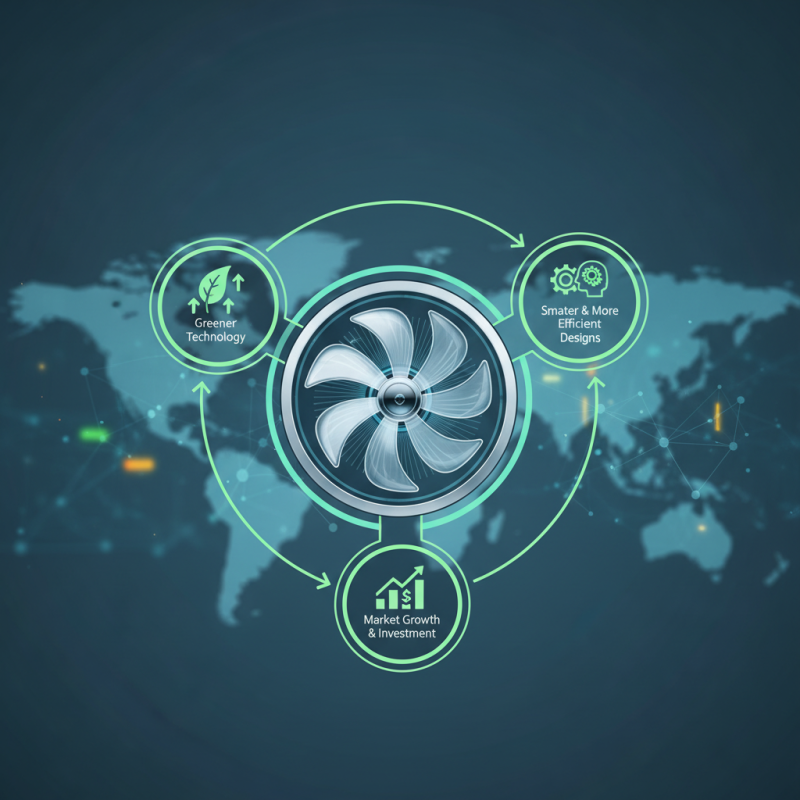
Emerging Technologies in Axial Flow Fans for Enhanced Efficiency
Emerging technologies in axial flow fans are reshaping efficiency in various industries. These advancements focus on improving airflow dynamics while reducing energy consumption. For instance, new blade designs leverage computational fluid dynamics to enhance performance. This shift not only provides better cooling but also minimizes noise levels, making environments more comfortable.
Smart technology integration is another trend gaining momentum. Sensors and IoT capabilities transform traditional fans into smart systems. They can monitor performance in real-time. These systems can alert users to maintenance needs before issues arise. However, relying on technology raises questions about dependency and system robustness.
In terms of materials, lightweight composites are becoming more common. These materials improve durability and efficiency. Yet, sourcing sustainable materials poses challenges. The transition requires careful consideration of both environmental impact and performance. As we embrace these emerging technologies, a critical reflection on our choices will be essential.
Top Axial Flow Fan Trends to Watch in 2026
| Trend | Description | Impact on Efficiency | Expected Adoption Rate |
| Advanced Blade Designs | Utilization of aerodynamic principles to enhance airflow and reduce drag. | Up to 15% increase in airflow efficiency. | 70% in industrial applications. |
| Smart Fan Technology | Integration of IoT for real-time monitoring and adjustments. | Improved operational efficiency and energy savings of 10%. | 60% in commercial buildings. |
| Noise Reduction Technologies | Innovative materials and designs to minimize operational noise. | Enhanced comfort without compromising performance. | 50% in residential applications. |
| Energy-Efficient Motors | Incorporation of high-efficiency motors to reduce energy consumption. | Potentially 20% lower energy costs. | 80% in new installations. |
| Modular Fan Systems | Flexible systems that allow easy upgrades and scaling. | Enhanced adaptability leads to better performance. | 65% in customizable setups. |
Sustainability Practices Impacting Axial Flow Fan Design in 2026
The landscape of axial flow fan design is shifting toward sustainability in 2026. Designers are reevaluating material choices to reduce environmental impact. Light-weight materials, such as advanced composites, are gaining popularity. These materials not only enhance performance but also lower the carbon footprint during production. The focus is on durability as well. Sustainable design requires products to last longer, reducing waste in the long term.
Energy efficiency is another key consideration. Fans are being optimized for lower energy consumption. Innovative blade designs are being implemented to improve airflow without sacrificing performance. This can lead to significant energy savings, benefiting both users and the environment. Manufacturers are also exploring renewable energy sources to power these fans through innovative integration.
However, challenges remain. While pursuing sustainability, cost considerations cannot be ignored. The balance between eco-friendly design and affordability is delicate. There is room for improvement in recycling practices for older fan components. Reflecting on these aspects is vital for the industry to move forward effectively. Developing a circular economy around axial flow fans may be the next big leap in manufacturing.
Top Axial Flow Fan Trends to Watch in 2026
Market Trends Influencing Axial Flow Fan Applications across Industries
The axial flow fan market is evolving rapidly. Industries are increasingly focusing on energy efficiency and sustainability. These trends drive the demand for innovative designs in axial flow fans. Companies seek fans that reduce energy consumption while enhancing airflow efficiency. This shift is crucial in sectors such as HVAC, automotive, and aerospace.
Manufacturers must adapt to changing regulations and environmental standards. Many industries prioritize low-noise operation in their equipment. As a result, fan designs must also incorporate sound-dampening technologies. The integration of IoT in fan systems is another important trend. Smart fans can optimize performance based on real-time data. However, not all implementations have been smooth, highlighting a need for continuous improvements in technology adoption.
Customization is becoming vital in axial flow fan applications. Different industries have unique requirements. Tailoring solutions can improve efficiency but presents challenges in scalability. Balancing customization with production efficiency remains a concern. Despite advancements, companies sometimes struggle with cost management, reflecting an ongoing need for strategic planning.
Innovations in Noise Reduction Technologies for Axial Flow Fans
Innovations in noise reduction technologies for axial flow fans are paving the way for quieter environments. These advancements focus on minimizing the sound generated during fan operation. Techniques include using advanced materials and improved design principles. The shape of the blades plays a crucial role. Smooth, aerodynamic designs reduce turbulence and the resultant noise.
Another area of development revolves around smart technology. Sensors can adjust fan speed based on demand. This helps maintain efficient airflow while minimizing unnecessary noise. Implementing adaptive algorithms allows axial flow fans to operate at optimal performance with reduced sound levels. The integration of these technologies may still face challenges. Balancing performance and noise reduction can be difficult. However, the potential for quieter solutions is significant.
User experience remains a critical factor in fan design. Many users prefer functionality with minimal noise. Feedback from end-users can drive future innovations. Companies must be willing to adapt and refine existing technologies. Listening to the needs of the market is essential for progress in reducing noise. Every step forward is an opportunity for improvement.
Future Challenges and Opportunities in Axial Flow Fan Production
As the axial flow fan industry evolves, challenges and opportunities lie ahead. By 2026, energy efficiency standards are expected to tighten significantly. According to a recent study by the International Energy Agency, axial flow fans account for nearly 25% of industrial energy consumption. This presents manufacturers with both a challenge to innovate and a chance to lead in sustainable production.
One area of concern is the material sourcing for fan blades. The demand for lightweight, durable materials is increasing. Manufacturers must adapt to these changes while balancing cost and performance. Innovations in composite materials show promise, but sourcing remains a significant hurdle. A recent analysis indicated that 30% of production costs are linked to material procurement, highlighting the need for strategic partnerships.
Additionally, smart technology integration is key. Data from market analysts predict the smart fan market will grow by 40% in the next three years. Companies must invest in IoT capabilities to stay competitive. However, many face challenges in expertise and technology adoption. The gap between innovation potential and current capabilities could widen if not addressed. These factors will shape the future landscape of axial flow fan production.

