Skip to content

Top 10 Types of Patella Straps for Knee Support

Knee discomfort can make stairs, brisk walks, or a long day on your feet feel unexpectedly difficult. A Patella Strap is a small support worn around the kneecap area, but designs differ in shape, materials, fit, and intended use. Some use a slim band beneath the kneecap; others add adjustable pressure or broader support around the joint. The differences matter. A strap that feels steady during a short walk may rub, slip, or feel too tight after several hours.

This guide explores 10 types of patella straps and the practical features that set them apart. You’ll see what to consider in strap width, closure style, padding, breathability, and adjustability, with everyday examples such as sitting at a desk or climbing stairs. Fit should feel secure, not restrictive. Comfort is personal, and more compression does not automatically mean better support. Check the product’s sizing instructions, inspect your skin after use, and stop wearing a strap if it causes numbness, increased pain, or irritation. A strap may offer support during activity, but it does not identify or treat the cause of knee pain. Persistent or worsening symptoms deserve assessment by a qualified healthcare professional. There is no perfect design for everyone; sometimes the best choice is less obvious than the product description suggests.
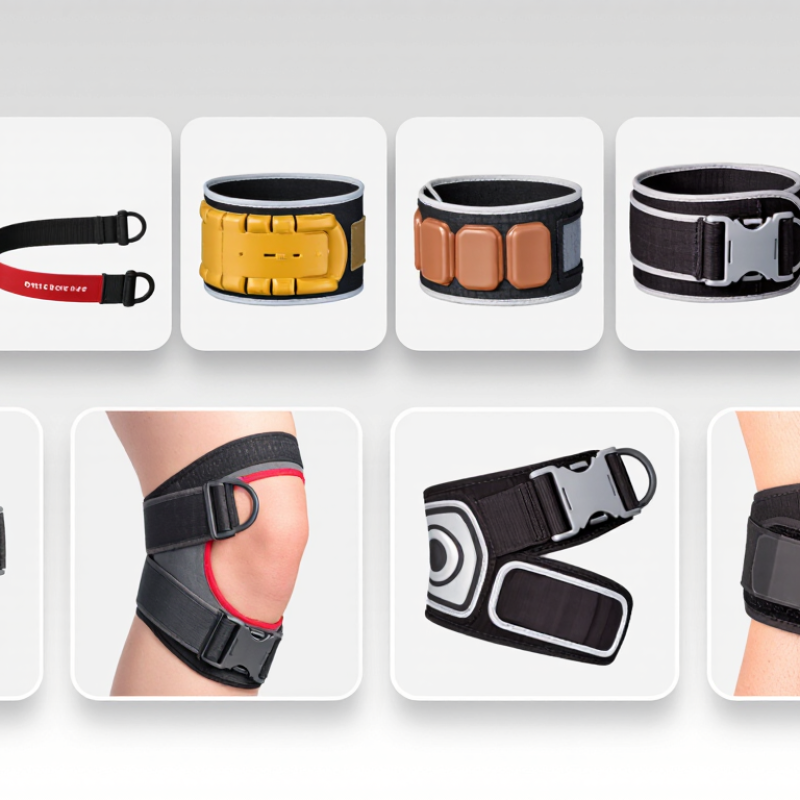
Top 10 Types of Patella Straps for Knee Support

What Patella Straps Are and How They Support the Knee

A patella strap is a narrow band worn just below the kneecap, usually over the patellar tendon. Its firm, adjustable pad applies focused pressure while the knee bends and straightens. For some people, this changes how tendon load feels during stairs, squats, or jumping. It does not hold the kneecap in place or repair an injury. A strap should feel snug, not numb or painfully tight. The fit is not always intuitive.

Evidence needs careful interpretation. The 2019 Journal of Orthopaedic & Sports Physical Therapy guideline gave a Grade B recommendation for tailored patellar taping alongside exercise to reduce pain in the short term. Taping and straps are not identical, so that finding cannot prove that every strap works. Benefits vary, and a strap may simply make movement feel more comfortable. If pain worsens, swelling appears, or daily walking becomes difficult, seek assessment from a qualified clinician. A strap is support, not a diagnosis.

Key Design Features Used to Classify Patella Straps

Top 10 Types of Patella Straps for Knee Support

Key Design Features Used to Classify Patella Straps

Patella straps are best compared by placement, pressure, material, and closure—not by appearance alone. Common designs include basic infrapatellar bands, padded bands, dual-band straps, buckle-adjustable straps, hook-and-loop straps, elastic-knit straps, neoprene straps, silicone-grip straps, open-patella sleeves with straps, and straps built into hinged braces. Some products combine several features, so these categories are useful but not perfectly distinct. A thick pad may feel supportive, yet become uncomfortable under tight clothing.

The World Health Organization reported that 528 million people lived with osteoarthritis worldwide in 2019; 365 million cases affected the knee (WHO, Osteoarthritis Fact Sheet, 2023). This describes the wider knee-health burden, not proof that patella straps treat osteoarthritis. Design still matters: a narrow band concentrates pressure below the kneecap, while a wider sleeve spreads contact across more skin. Breathable knit may suit warm activity; neoprene often feels warmer and more enclosing. Strap tension should be adjustable, and edges should lie flat rather than dig into the tendon.

Tips: Fit the strap just below the kneecap, then walk and bend the knee. It should feel secure, not numb or pinching. Check the skin after use. If pain persists or worsens, seek advice from a qualified clinician.

Ten Types of Patella Straps for Knee Support

A patella strap sits below the kneecap, applying focused pressure near the patellar tendon. It may feel helpful during stairs or sport, but it does not diagnose or treat an injury. The CDC’s 2022 National Health Interview Survey found that 18.9% of U.S. adults reported diagnosed arthritis; this broad figure is not specific to knee pain or strap use.

Ten common strap styles include the basic infrapatellar band, dual-band model, adjustable-tension strap, silicone-insert strap, padded pressure-point strap, wide tendon band, sleeve-integrated strap, open-patella sleeve with strap, wraparound strap, and slim elastic strap.

The categories overlap. Product names are not standardized, so compare construction rather than labels.

A gel insert may soften contact; a dual band can distribute pressure above and below the kneecap. The sleeve-integrated option adds warmth and compression. Small details matter.

Choose a strap that stays in place without numbness, tingling, or skin irritation. Snug, not tight.

Research-backed care should guide expectations: the 2019 Journal of Orthopaedic & Sports Physical Therapy guideline for patellofemoral pain emphasizes exercise, while a strap is only a possible comfort aid.

Evidence for one strap design outperforming another remains limited. If pain worsens or persists, seek assessment from a qualified clinician.

How Strap Materials and Fit Affect Comfort and Stability

Patella straps vary in material, width, and closure: elastic knit feels flexible, while neoprene often provides a firmer, warmer hold. Silicone grip strips can limit sliding, but may irritate sensitive skin. A strap should sit just below the kneecap, snug enough to stay put without causing tingling, color change, or discomfort. Check it after a few minutes of movement. Small details matter.

Material labels alone cannot predict comfort. ASTM D737 measures textile air permeability using a 125 Pa pressure difference; ISO 9237 uses 100 Pa. These test conditions help compare airflow, but neither standard rates how comfortable a strap feels during sport. Fit, sweat, skin sensitivity, and activity all change the experience. A strap that feels stable while standing may shift during repeated jumps. That’s easy to miss. Keep the strap flat, avoid bunching behind the knee, and adjust it if the edge digs into skin. Evidence for straps is not equally strong across every knee condition, so persistent pain or swelling deserves assessment by a qualified health professional.

How to Select and Use a Patella Strap Safely

Choose a patella strap that fits your knee and the activity you plan to do. It should sit just below the kneecap, across the patellar tendon—not over the kneecap itself. Check the size guide and measure your knee where the strap will rest. Adjustable straps can help fine-tune the fit, while soft, breathable material may feel more comfortable during a walk or workout. A strap should feel secure, not tight. Small detail, big difference. Fit can feel oddly subjective, so adjust it gently rather than assuming discomfort is something to push through.

Place the strap on clean, dry skin or over thin clothing, following its instructions. Walk a few steps and bend your knee before starting exercise. It should stay in place without pinching or sliding. Remove it if you notice numbness, tingling, skin color changes, or increased pain. A strap can offer support, but it does not diagnose or treat the cause of knee pain. Don’t use it to hide pain and keep training. If pain persists, swelling appears, or your knee feels unstable, seek advice from a qualified health professional. A little trial and error may be needed, but worsening symptoms are a reason to stop and reassess.