China Top 10 Legal Butterfly Specimen Suppliers?
Choosing a Butterfly Specimen supplier in China takes more than comparing prices or browsing polished product photographs. This guide introduces ten suppliers for readers seeking documented, legally sourced specimens for education, research, or collection. It considers clear species identification, traceable sourcing, careful preservation, and accessible business information. A well-prepared specimen should arrive with secure packaging and a label that matches the seller’s description. Fine wing scales can be damaged by rough handling. Small details matter.
Legal requirements differ by species, destination, and intended use. Some specimens may be subject to national wildlife rules or international trade controls, including CITES requirements where applicable. Buyers should request written provenance and relevant permits, then verify requirements with the appropriate authorities before ordering. A supplier’s claim of legality is not proof by itself. Ask direct questions. This comparison is a starting point, not a legal determination or an endorsement of every listing. Product availability and documentation can change, and online descriptions may leave gaps. That deserves attention. The aim is to help readers compare suppliers carefully, recognize credible records, and avoid purchases that cannot be responsibly verified. No list can settle every question. A cautious choice protects both the buyer and the natural history represented by each specimen.
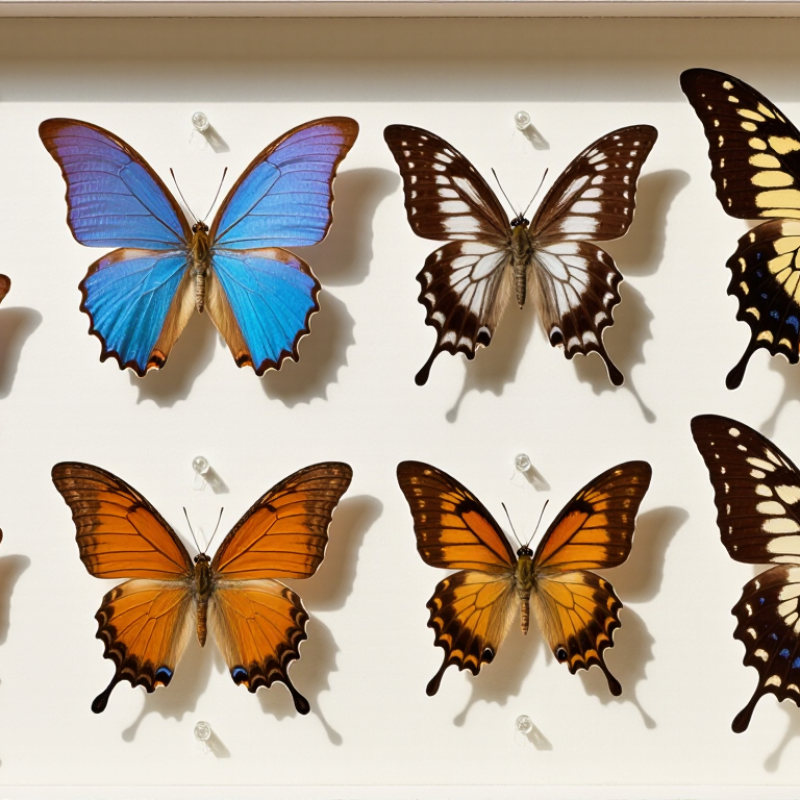
Defining Legal Butterfly Specimens and Trade in China
In China, a legal butterfly specimen is one whose species, origin, and sale comply with current wildlife rules. A dried specimen is not automatically legal because it is old or displayed in a frame. Buyers should request the scientific name, source records, and any permits required for that species and transaction. Records matter.
The CITES Secretariat’s species overview reports more than 40,900 listed animal and plant species; butterflies are only a small subset. CITES listing does not mean every butterfly specimen needs the same paperwork. Requirements depend on the species, its source, and whether it crosses a border. Check the current CITES appendices and applicable Chinese protection lists, rather than relying on a seller’s general assurance.
For a collection or museum purchase, keep invoices, specimen labels, and origin documentation together. Labels should identify the species and collection or breeding source as clearly as possible. Cross-border shipments may require additional permits and customs documents. The paperwork can feel tedious. It is also where gaps become visible: vague origins and missing scientific names make claims difficult to verify, even when a specimen looks ordinary.
How to Assess Butterfly Specimen Suppliers
When comparing butterfly specimen suppliers in China, assess traceability before price or display quality. Ask for the scientific name, source location, and whether each specimen was captive-bred or collected. A reliable seller should explain its sourcing records and provide clear, current photographs. Check that invoices and shipping documents match the specimen descriptions and destination requirements. Species names matter. Similar butterflies can look different under warm indoor lighting, so request close-up images.
Tips: Request a sample image beside a scale. Confirm that packaging protects wings from pressure and moisture. Ask for written answers.
For larger orders, agree on replacement terms for damaged or misidentified specimens before payment. Ask how the supplier handles questions after delivery; practical support can reveal its service standards. Requirements vary by destination, so verify current sourcing and import rules with relevant authorities. Do not treat polished photos as proof; lighting can hide fading or repairs. Compare several specimens, not only the best example.
China’s Butterfly Specimen Supply and Compliance Landscape
China’s butterfly specimen supply is best assessed through traceability, not a seller ranking. A responsible supplier should document each specimen’s scientific name, source region, acquisition date, and preparation method. Keep invoices and applicable collection, transport, export, or import records together. Paperwork matters. Check species-specific requirements for both origin and destination, using official conservation lists as screening tools rather than proof of authorization. A common name alone is not enough.
The IPBES Global Assessment Report on Biodiversity and Ecosystem Services (2019) estimated that around one million animal and plant species face extinction risk. This is a broad biodiversity warning, not a count of butterfly specimens in trade. For species covered by CITES, its Trade Database provides reported international trade records that buyers can use to check scientific names and descriptions. It is not a complete catalogue of every specimen. Ask for clear photographs of the specimen and its label, including the locality and date where recorded. A label can look precise and still leave questions. Documentation quality may vary, so unresolved details deserve follow-up before purchase.
Profiles of 10 Chinese Butterfly Specimen Suppliers
China’s butterfly-specimen suppliers vary in workmanship, labeling, and educational focus. These ten capability-based profiles are not a verified company ranking: classroom-kit makers, framed-display workshops, taxonomy-focused curators, regional-collection specialists, custom-mounting studios, preservation preparers, research-set suppliers, museum-display fabricators, gift-set assemblers, and small-batch exporters. Details matter.
Compare each profile through clear photographs, consistent specimen labels, careful mounting, and protective packaging. Ask whether labels include common and scientific names, location details, and collection dates.
Check how fragile wings are secured; loose scales or bent antennae can undermine an otherwise polished display. A supplier serving schools may prioritize durable sets, while a custom studio may offer more precise layouts. Ask for records.
For wider context, IPBES’s 2019 Global Assessment estimated that around one million plant and animal species face extinction risk. This is not a butterfly-supplier market statistic, but it underscores why clear provenance and responsible collection practices matter. Buyers can compare sample labels, packing methods, and written sourcing information before choosing a supplier. These practical checks make supplier profiles more useful than appearance alone.
Verifying Documentation, Permits, and Responsible Sourcing
A responsible review of legal butterfly specimen suppliers should begin with traceable records, not attractive display cases. Ask for each specimen’s accepted scientific name, country of origin, acquisition date, and collection or rearing method. Check invoices and chain-of-custody records against export or import documents required for the species and route. Where CITES controls apply, verify permits with the issuing authority; requirements vary by species and jurisdiction. Keep copies. Record uncertainty, too.
The IPBES 2019 Global Assessment Report estimated that around one million animal and plant species are threatened with extinction, many within decades. This is not a butterfly-trade estimate, but it puts sourcing decisions in conservation context. Ask suppliers to explain how specimens are obtained, how identities are checked, and how records follow each lot. Compare labels with invoices; mismatched scientific names or vague origin statements deserve follow-up, not assumptions. Documentation can look complete and still leave gaps. A dated specimen card linked to a lot number can make later checks easier.

