Top 10 Child Car Seat Safety Tips You Need to Know?
Car safety is paramount for parents and caregivers. Child Car Seats play a crucial role in protecting young passengers. According to the National Highway Traffic Safety Administration (NHTSA), using a properly installed Child Car Seat reduces the risk of fatal injury by 71% for infants and 54% for toddlers in passenger cars. This data highlights the importance of understanding how to choose and use these seats effectively.
Dr. Susan D. Smith, an expert in child passenger safety, emphasizes, "A Child Car Seat is only effective if it is used correctly." Despite this, many parents remain unaware of the proper installation and usage guidelines. Reports suggest that nearly 60% of car seats are installed incorrectly. This statistic raises concerns about how we prioritize child safety during travel.
There’s much to reflect on. Is your Child Car Seat fitting correctly? Have you checked its expiration date? With so many options available, selecting the right seat can be overwhelming. However, knowledge and proper usage can significantly enhance safety. It’s time to examine these critical tips that every caregiver should know.
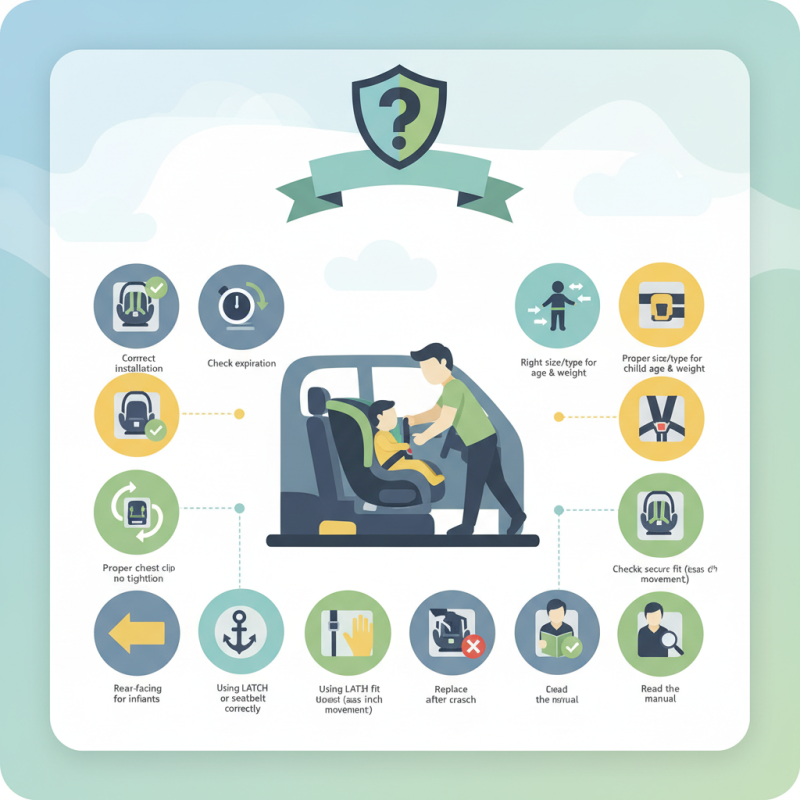
Understanding the Importance of Child Car Seat Safety
Child car seat safety is crucial for every parent. Understanding the importance of using a child car seat correctly can save lives. In a crash, children are at a higher risk of injury. A properly installed car seat provides essential protection. It acts as a shield, absorbing impact forces in an accident. Yet, many parents struggle with installation and usage.
Many parents overlook the guidelines. They might use a seat that is too big or too small for their child. Sometimes, the seatbelt is not fitted securely. These mistakes can lead to dangerous situations. Parents often assume that a seat is safe just because it is used. This is a misconception. Regular checks are necessary. Look for recall notices and age recommendations.
Safety also depends on awareness. Parents must stay informed about the latest car seat technologies. However, balancing time and research can be overwhelming. It’s easy to become complacent after a few safe trips. But every journey counts. Even a short drive can turn into an emergency. Prioritizing car seat safety is not just a checklist item—it’s a responsibility.
Choosing the Right Child Car Seat for Your Child's Age and Size
Choosing the right child car seat is essential for safety. A car seat should match your child’s age and size. Infants need rear-facing seats. Toddlers require forward-facing options. As kids grow, booster seats come into play.
Understanding safety standards can be overwhelming. Look for weight and height limits on the car seat. Ensure it fits your vehicle well. Installation can be tricky, and not all seats fit perfectly in every car. Some seats may slide or feel loose, which can be concerning.
Adjustable harnesses are a great feature, but they can be misused. Regularly check the fit as your child grows. Many parents forget this step and might be using an ineffective setup. It’s crucial to educate yourself and ask for help if needed. Car seat checks from local safety programs can help.
Proper Installation Techniques for Maximum Safety
Proper installation of child car seats is crucial for ensuring maximum safety. According to the National Highway Traffic Safety Administration, nearly 46% of car seats are misused. This alarming statistic highlights the need for correct installation techniques.
Ensure that the car seat is secured tightly. Use the vehicle's seat belt or the LATCH system. Aim for an installation where the seat does not move more than one inch side to side. Tighten the straps firmly, and always double-check the connections. Many parents overlook this step and then wonder why their seats don’t perform well during a crash.
Another tip is to keep children rear-facing as long as possible. Research from the American Academy of Pediatrics shows this can reduce the risk of serious injury by up to 70%. Align the car seat with the vehicle’s back seat for better support. Don't rush to switch to forward-facing; it’s about safety, not convenience. Each time you install a car seat, reflect on its positioning and ensure it's as safe as possible.
Regular Maintenance and Inspection of Car Seats
Regular maintenance and inspection of car seats is critical for ensuring your child's safety. Over time, car seats can degrade due to wear and tear. Check straps regularly for frays or damage. Ensure the seat is clean and free of debris that may affect its performance. Even a small tear can compromise its effectiveness.
Make it a habit to inspect the installation frequently. Is the seat secure? A loose fit can be dangerous. Use the manufacturer’s instructions to guide you through the process. If it feels unsteady, reassess your installation. Remember, safety can be a matter of life and death.
Revisit your car seat's expiration date, too. Many parents overlook this detail. Car seats have a limited lifespan, typically around 6-10 years. Aging can reduce its effectiveness. If your seat has reached its limit, it’s time for a replacement. Last but not least, keep an eye on any recalls. Stay informed and ensure your child is always riding safely.
Transitioning to a Booster Seat: When and How to Make the Change
Transitioning to a booster seat is a big step for any parent. It often happens when your child has outgrown their forward-facing car seat. This change can feel uncertain. Is your child ready? Typically, kids transition to a booster seat when they reach around four years old, but height and weight matter too. Check your local laws and guidelines as they may vary.
When introducing a booster seat, ensure it fits properly in your vehicle. The lap belt should sit low across your child's thighs, not the stomach. The shoulder belt should rest snugly across their shoulder, not their neck or face. Test it out. Drive a short distance to see how your child behaves. It’s natural for some kids to fidget. You might feel a bit anxious. Reflect on how important this change is for their safety.
Keep an eye on your child’s growth. Many parents make mistakes by keeping kids in booster seats too long. The goal is to ensure they are safe and comfortable. Encourage them to stay in the right position during the ride. It's a learning process for both of you, and sometimes adjustments are needed. Being attentive to these details can make a big difference on the road.
Top 10 Child Car Seat Safety Tips

