Skip to content

10 Tips for Choosing the Best Work Gloves?

A glove that looks tough on a shelf may still fail on a wet handle, sharp edge, or hot surface. Choosing Work Gloves is not a simple matter of picking the thickest pair. The right choice depends on the hazard, task, fit, and time worn. Small details matter. A loose cuff can snag; a slick palm can turn a secure grip into a dropped tool.

The U.S. Bureau of Labor Statistics reported 2.6 million nonfatal workplace injuries and illnesses in private industry for 2023, with an incidence rate of 2.4 cases per 100 full-time equivalent workers. That broad figure does not measure glove-related injuries alone, but it shows why practical prevention deserves attention. OSHA’s hand-protection guidance says employers should select gloves based on the hazards, conditions, duration, and tasks involved. In practice, that means checking resistance to cuts, abrasion, chemicals, heat, or impact—not relying on appearance or a single rating. Fit and dexterity count, too. Even experienced buyers get this wrong. A glove can protect well and still be unsuitable if workers remove it to handle small parts. The following 10 tips offer a grounded way to compare materials, protection claims, comfort, and care. Use them as a starting point, then match each choice to the actual work and product guidance. A short trial on the job can reveal what a catalog cannot.
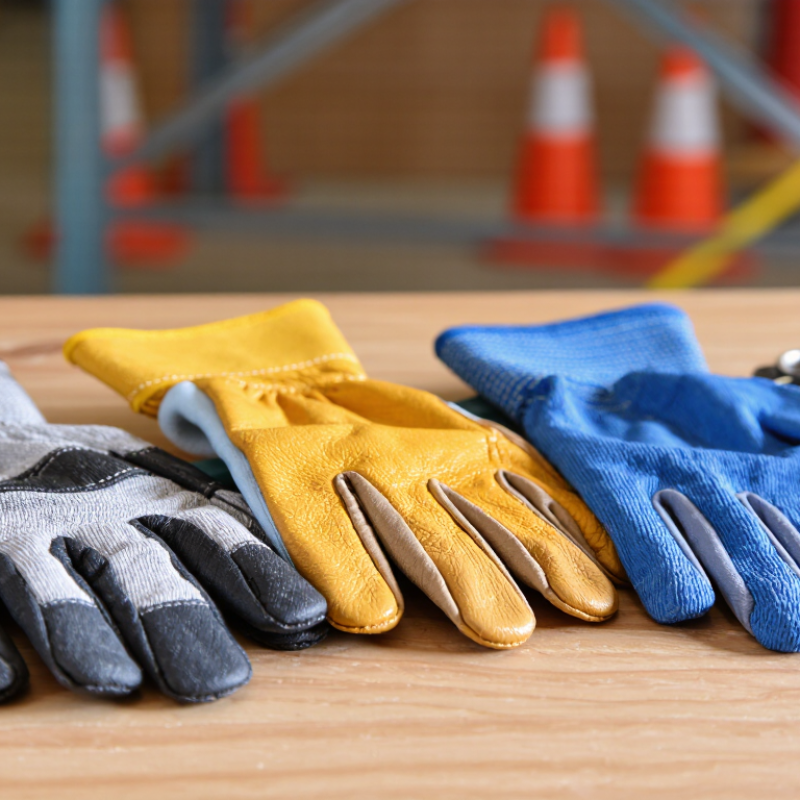
10 Tips for Choosing the Best Work Gloves?

Identify the Hazards and Tasks Your Gloves Must Handle

Before choosing gloves, list the hazards at the workbench, not just the job title. A mechanic handling sharp sheet metal needs different protection from someone carrying rough timber. Note edges, pinch points, hot surfaces, oils, cleaning agents, and repeated friction. Small details matter. A wet handle can make a secure grip unreliable.

Match each hazard to a glove’s stated protection. Cut resistance does not automatically mean puncture resistance, and a thick glove may still fail against a sharp point. For chemicals, check the product’s safety information and the glove’s compatibility guidance; material names alone are not enough. Heat protection also has limits. A glove suited to brief contact may not protect during prolonged exposure. For electrical work, use gloves specifically rated for the task and maintained according to their instructions.

Then consider what your hands must do. Fine assembly needs fingertip control; rough handling may call for more abrasion protection. Try the gloves while gripping the actual tools, if possible. Check that cuffs cover the wrist and that seams do not press into the fingers. Fit changes everything. A hazard list can still miss awkward movements or changing conditions, so review it after the work routine changes. That extra check is easy to overlook.

10 Tips for Choosing the Best Work Gloves

Identify the Hazards and Tasks Your Gloves Must Handle

For tasks involving sharp edges, use the cut-resistance level as one factor when matching gloves to the hazard. The bars show each ANSI/ISEA 105 cut level’s minimum threshold in grams; A9 starts at 6,000 g and has no defined upper limit. Cut ratings do not measure puncture, abrasion, heat, or chemical protection, so assess each task’s hazards separately.

Match Glove Materials and Coatings to Workplace Conditions

A glove should match the hazard, not just the job title. The U.S. Bureau of Labor Statistics reported 2.6 million nonfatal workplace injuries and illnesses among private-industry workers in 2023. That figure covers many hazards, but it is a reminder to assess the actual task and exposure. For sharp sheet metal, compare cut-resistance ratings under ANSI/ISEA 105 and check whether the glove still allows a secure grip. A thick glove can protect well and still make small fasteners frustrating to handle.

Match the coating to the surface. Nitrile coatings often suit oily parts; polyurethane can offer a lighter touch for dry, fine assembly. For wet work, test grip while handling the same damp tools used on site. Chemical tasks need a glove material selected against the specific chemical and exposure time; no single coating protects against everything. Check the chemical manufacturer’s compatibility information, and replace gloves that swell, crack, or feel tacky. Small warning signs matter.

Temperature changes the choice, too. Leather can tolerate rough handling, while insulated liners help in cold stores, but bulky gloves may reduce finger control. Try gloves during realistic work, not only at a desk. A glove that feels perfect at 8 a.m. may slip once oil reaches the palm. It is easy to overlook fit, and that is worth reconsidering.

10 Tips for Choosing the Best Work Gloves? — Match Glove Materials and Coatings to Workplace Conditions

Tip Workplace conditions Glove material to consider Coating or finish Selection guidance
1. Match the glove to the main hazard Tasks involving cuts, abrasion, chemicals, heat, or impact Choose a material designed for the specific hazard, such as cut-resistant yarn, chemical-resistant elastomer, or heat-resistant fabric Use only a coating or finish rated for the hazard and task Identify hazards through a workplace risk assessment before comparing comfort, dexterity, or price.
2. Consider cut exposure and sharp edges Handling sheet metal, glass, sharp components, or edged tools Cut-resistant yarns may include high-performance polyethylene, aramid, or engineered blends Polyurethane or nitrile coatings can improve grip and abrasion resistance Check the glove’s cut-resistance rating under the applicable standard and choose a level based on the task’s risk. Cut-resistant gloves are not cut-proof and do not protect against every puncture.
3. Match grip to surface conditions Dry handling, light oil, or damp materials Knitted liners can provide flexibility; choose a liner that fits securely without restricting movement Foam nitrile or textured nitrile can help with grip; polyurethane is often used where a thin, dexterous coating is preferred Test grip with the actual materials and motions used at work. A coating that performs well when dry may not work as well when oily or wet.
4. Check chemical compatibility Contact with cleaning agents, solvents, oils, or process chemicals Nitrile, neoprene, butyl, PVC, and other materials each suit different chemicals Choose a continuous, unbroken chemical barrier rather than a palm-dipped general-purpose coating No single glove material protects against all chemicals. Check the chemical’s safety data sheet and manufacturer compatibility data, including concentration, temperature, and contact time.
5. Account for heat and hot surfaces Handling hot items, working near heat sources, or performing hot-process tasks Heat-resistant materials may include aramid, leather, or specialized multilayer constructions Use a finish and construction specifically intended for the heat exposure Compare the glove’s tested performance with the task’s contact temperature, duration, and heat type. A glove suitable for brief contact may not be suitable for prolonged exposure or molten material.
6. Plan for cold and wet conditions Outdoor work, refrigerated areas, or handling cold, damp objects Insulated liners, such as fleece or thermal knit, can help retain warmth A water-resistant or waterproof outer layer may help; textured coatings can support grip Balance insulation with dexterity. Wet insulation can lose effectiveness, so consider how water enters the glove and whether the task requires frequent fine handling.
7. Choose disposable gloves by task Short-duration tasks requiring frequent glove changes or contamination control Nitrile is commonly used where a latex-free disposable option is needed; latex may suit some tasks if allergies are not a concern Powder-free, textured, or smooth finishes are available Confirm the glove is appropriate for the substance and task. Thin disposable gloves generally provide limited mechanical protection and should not replace task-rated work gloves.
8. Prioritize dexterity and fit Assembly, tool use, sorting, or other precision work Lightweight knitted liners or thin synthetic materials can support hand movement Thin polyurethane or lightly coated finishes can preserve fingertip feel Check sizing, fingertip fit, and cuff security. Gloves that are too loose can reduce control; gloves that are too tight can restrict movement and become uncomfortable.
9. Consider abrasion, puncture, and impact separately Repeated handling, rough surfaces, sharp points, or impact-prone tasks Leather, durable synthetic yarns, or reinforced constructions may suit different forms of wear Reinforced palms, textured coatings, or impact-protective features may be appropriate Resistance to abrasion does not automatically mean resistance to puncture or impact. Check the relevant test results and construction for each hazard.
10. Verify standards, care, and replacement needs Any workplace where gloves are part of a formal safety program Select a glove with documented test results for the hazards identified Inspect coatings for wear, cracking, peeling, or contamination Review applicable standards, care instructions, and replacement criteria. Ratings from different test methods may not be directly comparable; follow the relevant standard and workplace guidance.

Safety note: Glove selection should be based on a workplace hazard assessment and the manufacturer’s documented performance data. Gloves do not replace safe work practices or task-specific training.

Check Protection Ratings, Standards, and Required Certifications

10 Tips for Choosing the Best Work Gloves?

Check Protection Ratings, Standards, and Required Certifications

A glove label is useful only when its rating matches the hazard you actually face. For cut work, compare the tested cut level with the material, edge, and force involved. A cut score does not prove protection from punctures, impacts, heat, or chemicals.

Numbers need context.

Check the standard named on the label, such as ANSI/ISEA 105 or EN 388, and confirm which edition applies. These standards test different performance areas, so a high result in one area cannot replace another.

Before ordering, ask for test reports or a declaration that identifies the exact glove model and tested hazards. A logo alone may not show what was tested. For chemical handling, check compatibility and permeation data for the specific substance, concentration, and contact time.

Fit still matters. A loose cuff can snag, while a glove that is too tight may reduce grip and encourage early removal. Replace gloves when seams split, coatings wear thin, or contamination cannot be cleaned safely.

Standards and certification rules can vary by market; verify current local requirements with a qualified safety professional.

Choose the Right Fit, Grip, Cuff, and Level of Dexterity

Start with the fit: fingertips should reach the glove ends without pressing hard, and the palm should not bunch when you close your hand. Try gripping a tool and picking up a small washer. Can you do both easily? If the glove twists or pinches, try another size. Check seams around the thumb, where rubbing often becomes noticeable during repetitive work. For fine tasks, choose a thinner glove that still provides suitable protection; extra padding can make careful movements awkward.

Grip depends on the job. Textured palms can help you hold smooth handles, while some coatings perform poorly when wet or oily. Check the glove’s stated limits rather than assuming one material suits every condition. Choose a snug cuff if loose fabric could catch on nearby objects. A longer cuff may help cover the wrist when sleeves ride up. Make sure the cuff stays in place without restricting movement. Small details matter.

Before buying, test the gloves with the motions you actually use. A quick squeeze may feel fine, but several minutes of handling parts can reveal pressure points. I tend to focus on grip and overlook cuff comfort; it is an easy mistake. Check care instructions, too, since washing can affect fit or grip. Replace gloves when holes, flattened textures, or loose seams reduce their usefulness.

Compare Durability, Comfort, Maintenance, and Replacement Costs

When comparing work gloves, judge durability against the actual task, not the thickest-looking material. Abrasion-resistant palms can help with rough lumber or masonry, while reinforced fingertips may matter more when handling tools all day. Check the seams and flex the glove before buying; stiff stitching can split where fingers bend. Fit matters. A glove that slips at the fingertips can make small fasteners awkward and increase hand fatigue. For repetitive work, comfort is not a luxury. Try gripping a handle for a minute, and notice whether the lining bunches or your knuckles feel pinched.

Maintenance changes the real cost. Some gloves tolerate regular washing, while others need careful air-drying to avoid stiffening or shrinkage; follow the care label. Let damp gloves dry fully between shifts, since trapped moisture can wear materials faster and feel unpleasant. Replacement price alone can mislead. A cheaper pair that wears through in two weeks may cost more per shift than a sturdier pair lasting several months. Still, paying extra does not guarantee a better fit, and I would not assume one glove suits every task. Keep a simple note of purchase dates and wear points, such as a torn thumb seam or polished palm, then compare those details with your work routine.