Essential Tips for Choosing the Right Shelving Price Labels?
Choosing the right shelving price labels is crucial for any business. These labels serve as vital communication tools between products and customers. They help shoppers understand pricing clearly, which can boost sales. However, it's not always easy to find the perfect labels for your shelves.
Consider the materials and designs available. Numerous options exist, from adhesive labels to hang tags. Each serves different purposes, and your choice should align with your brand identity. Quality is essential; low-quality labels can confuse customers and harm sales. Think about durability too. Labels must withstand various environmental conditions.
Reflect on your needs and space. Are your shelves tightly packed, or is there room for creativity? Finding effective shelving price labels requires thoughtful consideration. Seek expert advice if needed, as it can save time and frustration. In the end, the right labels can enhance your store’s appearance and customer experience.
Understanding the Importance of Price Labels in Retail
In the retail world, price labels play a crucial role. They guide customers through the shopping experience. Clear, attractive labels can enhance product visibility. This visibility often translates into increased sales. Customers feel more confident when they can easily see pricing. A well-placed label can capture attention and encourage purchases.
However, not all price labels are created equal. Poorly designed labels can confuse customers. They may fail to communicate important information. For instance, price changes should be updated promptly to avoid frustration. Outdated labels can damage a store's credibility. Therefore, it is important to regularly review and update them.
Another aspect to consider is the label's location. Labels should be easy to find and read. High-traffic areas might benefit from larger labels. The font size and color contrast matter significantly. Simple designs often work best. Remember, the goal is to make shopping effortless. Reflecting on your current labeling strategy can lead to improvements.
Types of Shelving Price Labels and Their Uses
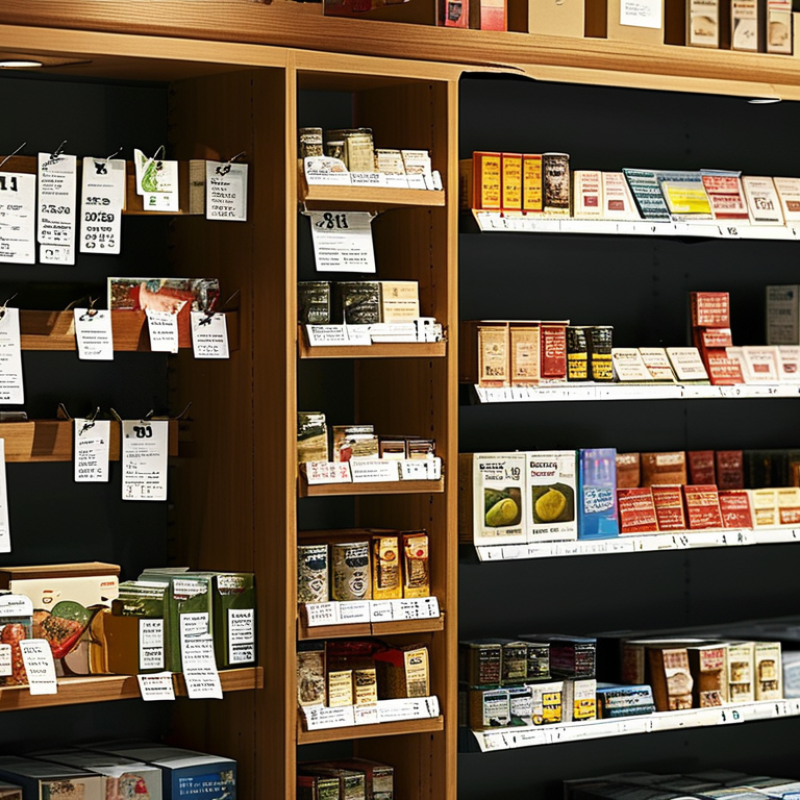
When selecting shelving price labels, consider the various types available and their specific uses. Shelf tags often fall under two categories: adhesive labels and hanging tags. Adhesive labels are versatile. They stick directly to shelves or products. Many retailers prefer them for their ease of use. However, some studies suggest adhesive labels may not hold well in humid environments. That's an important aspect to ponder.
Hanging tags are another popular choice. These tags are usually made of cardstock and can be easily moved or changed. They provide a more traditional look. Yet, they may require additional tools for attachment. According to a recent survey from the Retail Society, more than 70% of consumers agree that clear pricing enhances their shopping experience. This insight underscores the importance of visual clarity in label selection.
Additionally, consider the size and design of the labels. Research indicates that larger labels with bold fonts increase readability. The right color contrast can also significantly impact visibility. Data shows that 60% of shoppers are drawn to well-designed price tags. This emphasizes the necessity of investing in appropriate labels that not only display prices but also attract customers’ attention effectively.
Factors to Consider When Choosing Price Labels
Choosing the right price labels is crucial for effective shelving and merchandising. Start by considering the size of your labels. A label that is too small can be hard to read. If it’s too large, it might overwhelm the product. Aim for a balance that ensures visibility without detracting from the items displayed.
Material is another important factor. Paper labels are cost-effective, but they might not be durable. If you anticipate spills or handling, opt for weather-resistant materials. Think about how long you need the labels to last. Temporary labels can work well for seasonal items. Permanent labels are better for staples and long-term products.
Design also plays a role in selection. Simple, clear fonts win over decorative ones. Clarity helps customers quickly identify prices. However, keep the overall aesthetic in mind. Sloppy or mismatched designs can detract from a store's image. Testing different styles can reveal what speaks to your audience. Small imperfections in label placement can remind you to stay attentive to detail. Remember that your choices can reflect on your brand's reliability.
Best Practices for Label Placement and Visibility
When it comes to labeling shelves, placement is crucial for visibility. Studies show that clear labels can increase sales by up to 30%. Proper positioning ensures that customers can easily identify prices without frustration. Consider placing labels at eye level. Labels should also be easy to read. A font size of at least 12 points is recommended for clarity.
Transparency in pricing is vital. Labels should not only indicate price but also any promotions. Research indicates that nearly 70% of consumers prefer clear information. This helps build trust and enhances the shopping experience. Avoid overcrowding shelves with excessive labels. A cluttered display can lead to confusion, leaving shoppers frustrated and less likely to buy.
Experiment with different label types. Options like color coding can draw attention to special sales or new products. However, not every method is effective for every product. Gather feedback from customers to understand what works best. Regularly assess and refresh the labels based on customer behavior. The goal is to create a seamless shopping journey that encourages purchasing.
Maintaining and Updating Price Labels Effectively
Maintaining and updating price labels is crucial for effective product management. Improper labeling can confuse customers and lead to lost sales. According to a report by the National Retail Federation, 30% of consumers have left a store due to unclear pricing. Regular updates ensure accurate information and instill trust in your brand.
One effective approach is implementing a digital label system. This technology allows for quick changes that can save time. Additionally, a well-organized process for updates reduces errors. With over 40% of retailers experiencing pricing discrepancies, ensuring accuracy can significantly enhance customer satisfaction.
Consider these tips:
- First, schedule regular audits of price labels to catch any discrepancies early.
- Second, train staff on the importance of updated labels. Inconsistent labeling can frustrate both staff and customers.
- Lastly, seek customer feedback on pricing clarity. This feedback can provide insights into potential issues.

