$0.00
Choosing the right Ski Jacket in 2026 requires more than comparing colors, prices, and brand names. Mountain weather can change within minutes. A bright morning may become wet, windy, and cold by the afternoon. The best choice depends on skiing ability, local climate, layering habits, and time spent on lifts.
A reliable jacket should balance waterproofing, breathability, insulation, and movement. Check the stated waterproof rating, seam construction, zipper protection, and hood adjustment. These details matter during heavy snow. Try the jacket with a mid-layer, gloves, and helmet. Raise your arms. Bend your elbows. The fit should feel secure without restricting a skiing stance. Small pockets also become important when carrying a phone, pass, goggles, or snacks.
Technology keeps improving, but no jacket performs perfectly in every condition. A heavily insulated model may feel comfortable on a lift yet become too warm during steep climbs. A lightweight shell offers flexibility but needs careful layering in freezing weather. Personal testing remains valuable. Notice where snow enters, whether cuffs stay over gloves, and how quickly the fabric feels damp. Product claims can help, but they should not replace practical judgment. This guide examines current materials, useful features, fit, insulation choices, durability, and value, helping skiers make a more informed decision for the 2026 season.
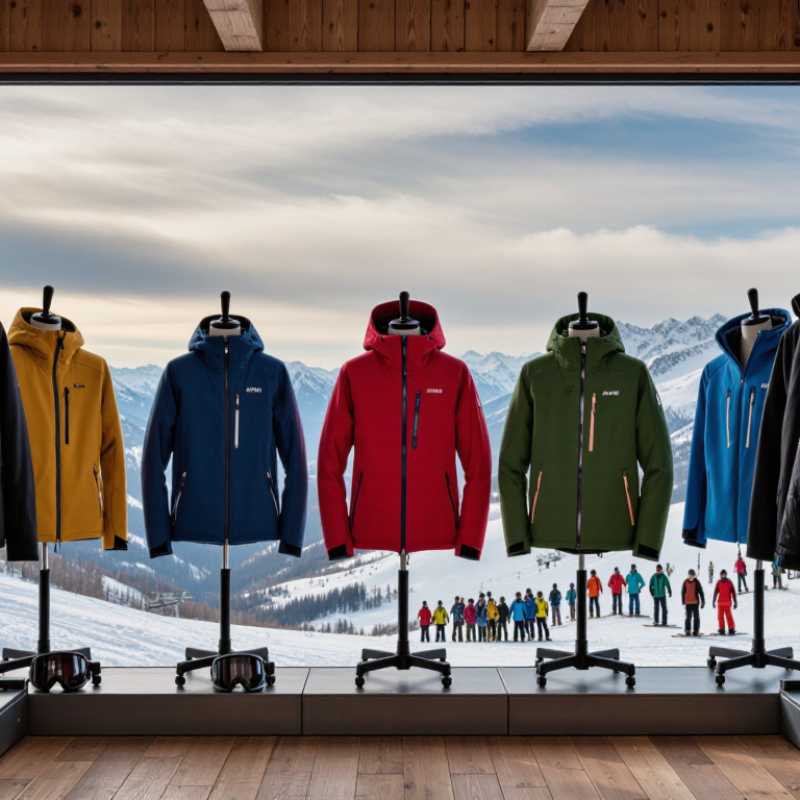
Choosing a ski jacket starts with your usual mountain conditions. Dry, cold slopes require different protection from wet, windy, coastal snow. Check expected temperatures, snowfall, wind exposure, and lift time before shopping. Wind changes everything.
For frequent storms, choose a waterproof shell with sealed seams and a storm flap over the zipper. A fabric rating around 10,000 mm may suit casual resort skiing, while wetter conditions may require higher protection. Breathability also matters during climbs. Look for underarm vents and adjustable cuffs. Too warm? Open the vents before removing layers.
Your insulation needs depend on activity and layering habits. A lightly insulated jacket works well for active skiers who wear a warm mid-layer. Heavier insulation may help beginners, children, or anyone waiting often in lift lines. I once underestimated how cold a slow chairlift could feel. That mistake changed my layering choices.
Fit should allow a base layer and mid-layer without pulling across the shoulders. Test the hood with your helmet, raise your arms, and bend your knees. Pockets should remain accessible while wearing gloves. Avoid choosing extra room only for comfort; loose fabric can let wind enter. A powder skirt, wrist gaiters, and a high collar are useful in deep snow. They are not essential for every skier. Your route, pace, and weather forecast should decide the requirements.
Choosing the right ski jacket starts with your activity, not its appearance. Resort skiers often need a warm, insulated jacket for chairlift rides and long waits. Look for waterproof fabric, sealed seams, a snow skirt, and a helmet-compatible hood. A powder day can turn cold quickly. I prefer adjustable cuffs and a high collar because wind often enters through small openings.
Backcountry touring requires a different jacket type. Choose a lightweight shell with strong breathability and reliable weather protection. You generate heat while climbing, so pit zips and two-way ventilation are valuable. Pack a separate insulating layer for exposed ridges and rest stops. A shell may feel thin in the shop, but it gives better control during changing conditions. Check pocket placement carefully; pockets should remain accessible while wearing a backpack.
Freestyle skiers need flexibility and durable fabric. A slightly relaxed fit allows movement during jumps, falls, and repeated bending. Extra reinforcement around the shoulders and elbows can extend a jacket’s useful life. I once chose a heavily insulated jacket for park skiing and overheated before midday. That mistake changed my fitting method. I now wear my actual base and mid-layers when trying jackets. Move your arms, sit down, and raise them overhead. If the hem lifts or sleeves pull back, the jacket is not ready for a full day outside.
Choosing a ski jacket starts with your weather and movement, not its price. The NSAA 2023–24 Kottke End of Season Report recorded 60.6 million U.S. skier visits. That figure reflects crowded lifts, changing conditions, and many different activity levels.
Insulation controls warmth, but more is not always better. A 60–100 g/m² layer may suit active skiing, while colder, slower days need more insulation. Down feels light and warm, but synthetic insulation performs better when damp. Waterproofing is measured through hydrostatic pressure testing under ISO 811. A 10,000 mm rating can handle ordinary snowfall, yet wet chairlift seats may demand more protection. Breathability matters during climbs and fast turns. Under EN 343, a RET value of 6 or below indicates strong breathability. Lower is better. I once chose maximum insulation and overheated before lunch. That mistake still affects my buying decisions.
Tips: Wear your base and mid-layers when testing the fit. Check sleeve length with bent elbows. Look for sealed seams, adjustable cuffs, and a powder skirt. Treat waterproof numbers cautiously; laboratory results cannot fully predict worn fabric. Ventilation zippers may matter more than a small rating difference. Review the test method, because manufacturers do not always use identical conditions. A perfect jacket probably does not exist. Choose the compromise you can manage.
| Jacket Profile | Typical Weather | Recommended Insulation | Waterproof Rating | Breathability Rating | Seam Construction | Recommended Features | Best Use |
|---|---|---|---|---|---|---|---|
| Lightweight Shell | Dry or lightly wet conditions; temperatures generally above -2°C | 0–40 g/m² Shell only or minimal lining; warmth comes from base and mid-layers | 10,000–20,000 mm Suitable for light to moderate snowfall | 15,000–30,000 g/m²/24 h High ventilation potential during active movement | Fully taped seams preferred; critically taped seams may be sufficient for fair weather | Pit zips, adjustable hood, powder skirt, multiple ventilation openings | Touring, spring skiing, high-output activities, and layered use |
| All-Mountain Insulated | Regular resort snowfall; temperatures from approximately -10°C to 2°C | 60–100 g/m² Synthetic insulation provides balanced warmth and mobility | 15,000–20,000 mm Appropriate for frequent snow and moderate moisture | 10,000–20,000 g/m²/24 h Good balance for mixed lift and downhill use | Fully taped seams recommended for regular snow exposure | Underarm vents, snow skirt, wrist gaiters, helmet-compatible hood, internal pockets | Most resort skiers seeking one versatile jacket |
| Warm Resort Jacket | Cold, windy conditions; temperatures below approximately -10°C | 100–150 g/m² Higher insulation reduces the need for thick mid-layers | 15,000–20,000 mm Helps protect against prolonged snowfall and wind-driven moisture | 8,000–15,000 g/m²/24 h Usually lower than a lightweight shell because of added insulation | Fully taped seams with sealed zippers preferred | Insulated hood, high collar, wrist gaiters, powder skirt, fleece-lined pockets | Lift-served skiing, cold climates, and people who run cold |
| High-Output Touring Shell | Variable alpine weather; climbing periods with heavy exertion | 0–60 g/m² Low insulation supports flexible layering and uphill efficiency | 20,000–30,000 mm Better protection for wet snow, wind, and exposed terrain | 20,000–40,000 g/m²/24 h Prioritizes moisture vapor release during strenuous movement | Fully taped seams; water-resistant or waterproof zippers | Large pit zips, low-bulk design, helmet-compatible hood, pack-compatible pockets | Ski touring, backcountry travel, and fast-moving users |
| Wet-Snow Protection Shell | Heavy snowfall, mixed precipitation, or temperatures near 0°C | 40–80 g/m² Moderate insulation for damp and changeable conditions | 20,000–30,000 mm Recommended where prolonged wet exposure is likely | 10,000–20,000 g/m²/24 h Ventilation features become especially important | Fully taped seams and waterproof zipper construction | Adjustable cuffs, powder skirt, storm flap, pit zips, durable face fabric | Wet coastal snow, variable resort weather, and long days outdoors |
| Minimalist Emergency Shell | Short-term protection during changing weather; limited exposure | 0 g/m² No built-in insulation; designed to fit over other layers | 5,000–10,000 mm Acceptable for brief or occasional snow showers | 5,000–15,000 g/m²/24 h Performance varies widely by fabric and ventilation design | At least critically taped seams; fully taped is preferable | Compact packability, adjustable hood, waterproof front zipper, hem adjustment | Backup layer, fair-weather resort use, and occasional skiing |
A ski jacket should fit close without restricting your movement. Try it over the layers you normally wear on the mountain. Raise both arms, bend your elbows, and imitate a downhill stance. The hem should cover your lower back. Sleeves should reach your gloves, even when your arms extend forward. Too much space can trap cold air. Too little space can crush insulation and limit breathing. Skiing demands movement.
Mobility often reveals problems that a mirror hides. Reach across your body and rotate your shoulders. Check whether the jacket pulls at the chest or lifts above your waist. Articulated sleeves, stretch panels, and a flexible back can improve comfort during turns. I once chose a jacket that felt sleek in a shop. After two hours, its tight shoulders became irritating. That mistake changed how I judge fit.
Essential features should match your conditions. A powder skirt helps block snow during falls. Adjustable cuffs seal gaps around gloves. A helmet-compatible hood should turn with your head, not cover your eyes. Underarm vents help release heat during climbs. Sealed seams and a dependable water-resistant outer fabric matter in wet snow. Zippered pockets should remain usable with gloves. Small details count. Still, more features do not guarantee better performance. Extra zippers can add weight and create failure points. Check each feature by using it repeatedly, preferably while wearing cold-weather gloves.
How to Choose the Right Ski Jacket in 2026?
A reliable ski jacket begins with its materials. Choose a waterproof, breathable shell with fully sealed seams. A two-layer design feels comfortable for casual resort skiing. A three-layer jacket offers better protection during long, wet days. Check the insulation carefully. Synthetic fill dries faster than down after unexpected snowfall. A durable outer fabric should resist chairlift edges, tree branches, and repeated packing. High waterproof ratings help, but testing methods can differ. I have found that poor hood adjustment can ruin an otherwise excellent jacket.
Tips: Rub the fabric gently. It should feel dense, not paper-thin. Inspect zippers, cuffs, and pocket stitching. Check whether the hood moves with your head. Try the jacket over a mid-layer before buying. Small details matter.
Sustainability deserves more than a green label. Look for recycled fibers, repair services, replaceable parts, and clear material information. A fluorocarbon-free water-repellent finish can reduce environmental concerns, but it may require more frequent care. Wash the jacket according to its instructions, and refresh the finish only when water stops beading. Durability often creates the best environmental value because one jacket can serve for many seasons. Still, the highest price does not guarantee the longest life. Compare construction, warranty terms, and expected use. A budget jacket may be sensible for occasional trips, while frequent skiers should calculate cost per season. I sometimes overvalue technical features I never use. That mistake is easy to repeat.
Check materials, durability, sustainability, and price before you buy.
The chart presents indicative performance and price benchmarks for three common ski-jacket specification levels. Waterproofing is shown as water-column resistance, breathability as MVTR, and abrasion resistance as Martindale cycles. Higher values generally indicate greater protection, but laboratory tests are not perfectly comparable between manufacturers.
For sustainability, look for recycled or solution-dyed fibers, a PFAS-free water-repellent finish, durable construction, replaceable components, repair services, and clear care instructions. Price ranges are typical market estimates and can vary by construction, insulation, and regional taxes.