How to Clean Polyester Rugs Effectively?
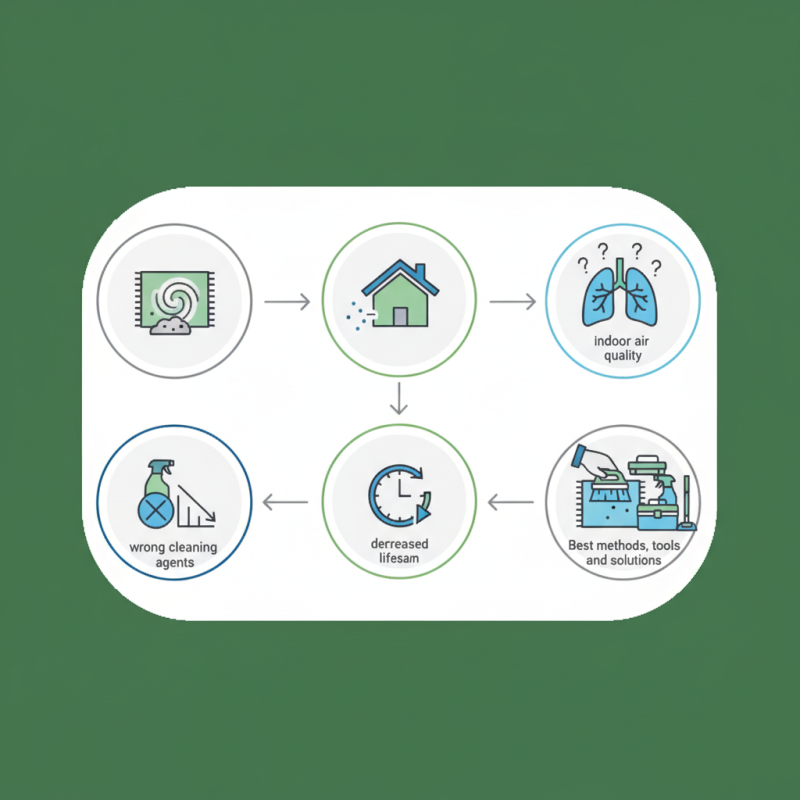
Polyester Rugs are popular for their durability and vibrant colors. They are often chosen for homes due to their affordability. However, cleaning these rugs effectively can be challenging. According to a report by the Textile Research Journal, carpets and rugs account for about 30% of indoor air pollutants. This highlights the importance of proper maintenance.
Cleaning polyester rugs may seem straightforward, but many overlook critical details. For instance, using the wrong cleaning agents can damage their fibers. Industry studies show that improper care can lead to a decrease in rug lifespan by up to 50%. Understanding the material is vital. Polyester rugs can attract dirt and stains quickly, requiring regular upkeep to maintain their appearance.
Moreover, many consumers struggle with techniques for effective cleaning. They often rely on carpet cleaners who may not fully understand polyester materials. This can result in unsatisfactory outcomes. It’s crucial to consider the best methods, tools, and solutions for cleaning polyester rugs. Being proactive in maintenance can enhance both the look and longevity of these rugs.
Understanding Polyester Rugs: Composition and Care Needs
Polyester rugs are popular for their affordability and vibrant colors. They are made from synthetic fibers, which are strong and durable. These rugs can mimic natural fibers but often require different care. Polyester rugs resist stains better than some materials, but they can attract dirt and dust. Regular vacuuming is essential to keep them clean.
When cleaning polyester rugs, avoid harsh chemicals or excessive water. These can damage the fibers and lead to a quicker wear. Instead, use a mild detergent mixed with water. Test it on a small area first to see how the rug reacts. Sometimes, spots can linger despite our efforts. It's frustrating but normal.
The care requirements may vary with usage. High-traffic areas will need more frequent cleaning. Be mindful of fading when placed in direct sunlight. This is an ongoing concern and worth reflecting on.
Polyester rugs can last a long time with proper care, but it is easy to overlook their maintenance needs. Regular checks for stains or wear can save you trouble later.
Common Stains on Polyester Rugs and Their Effective Removal Techniques
Polyester rugs are popular for their durability and vibrant colors. However, they can attract various stains. Understanding how to tackle these common issues is essential for maintaining their appearance.
Food spills are frequent on polyester rugs. A simple solution is to blot the area immediately with a clean cloth. Avoid rubbing, as it may spread the stain. For stubborn spots, mix mild soap with water. Test it on a hidden area first. It’s crucial to avoid harsh chemicals that can damage the fibers.
Pet accidents can be challenging. Use paper towels to absorb the liquid, then apply a vinegar and water mix. This method helps neutralize odors and prevent discoloration. Lastly, difficult stains like ink require patience. Blot with rubbing alcohol on a cotton ball. However, be careful not to over-soak the rug, as excess moisture may lead to mold. Each cleaning attempt teaches us about the rug's needs.
Essential Tools and Products for Cleaning Polyester Rugs
Cleaning polyester rugs requires specific tools and products to achieve better results. Polyester fibers are stain-resistant but can hold dust and dirt. A vacuum cleaner with a high-efficiency particulate air (HEPA) filter is essential. This type of vacuum removes 99.97% of dust, allergens, and pollen from your rugs. Regular vacuuming can improve indoor air quality, a crucial factor in maintaining a healthy home.
Spot cleaning is often necessary for tough stains. Use a mild detergent mixed with water. A soft-bristle brush can help lift stains without damaging fibers. According to data from the Carpet and Rug Institute, using the wrong product can set a stain, making it harder to remove. Be cautious with harsh chemicals, as they may cause discoloration.
For deep cleaning, consider using a steam cleaner. This method can kill 99.9% of bacteria and germs. However, excessive moisture can lead to mold growth. Always test cleaning solutions on a hidden area first. Polyester shines with the right care but can become dull without attention. Cleaning methods need constant adjustment based on the rug's condition.
How to Clean Polyester Rugs Effectively? - Essential Tools and Products for Cleaning Polyester Rugs
| Cleaning Tool/Product | Purpose | Usage Instructions |
| Vacuum Cleaner | Remove dust and debris | Vacuum regularly to prevent dirt buildup |
| Mild Detergent | Spot cleaning stains | Mix with water and apply to stains with a cloth |
| Baking Soda | Deodorizing | Sprinkle on the rug, let sit, then vacuum |
| Soft Brush | Grooming fibers | Brush gently to fluff the pile |
| Steam Cleaner | Deep cleaning | Follow manufacturer instructions for safe use |
Step-by-Step Guide to Deep Cleaning Polyester Rugs
Cleaning polyester rugs requires a well-thought-out approach. These textiles are durable but can trap dirt, dust, and allergens. According to the American Cleaning Institute, over 70% of household allergens are found on carpets and rugs. This highlights the need for deep cleaning.
Begin by removing loose dirt. Use a vacuum cleaner with a brush attachment. Pay attention to corners and edges; these often gather debris. The American Textile Manufacturers Institute suggests vacuuming at least once a week. For deeper stains, create a cleaning solution. Mix equal parts of white vinegar and water. Test the solution on a small area first. This prevents potential discoloration.
For stubborn stains, apply the solution directly. Allow it to sit for a few minutes before blotting with a clean cloth. Keep in mind that excessive scrubbing can damage the fabric. If the stains persist, consider hot water extraction. This method can remove deeply embedded dirt. However, it requires care, as excessive moisture may lead to mold growth. Another option is professional cleaning, but it can be costly. Think about your rug's condition and weigh your choices.
Effectiveness of Cleaning Methods for Polyester Rugs
Maintaining the Longevity of Polyester Rugs through Routine Care
Polyester rugs are popular for their durability and vibrant colors. However, routine care is essential to maintain their appearance and longevity. Regular vacuuming can prevent dirt build-up and keep the fibers looking fresh. Make it a habit to vacuum at least once a week. This simple task can save you from more intensive cleaning later.
When spills occur, act quickly. Blot the area with a clean cloth instead of rubbing it. Rubbing can spread the stain or damage the fibers. Use mild detergents mixed with water for cleaning. Avoid harsh chemicals, as they can cause discoloration over time. It's easy to overlook these small steps, but they make a significant difference.
Even with care, some areas may wear down faster. High-traffic zones often need extra attention. You might notice fading or matting in these spots. Consider rotating your rug every few months to ensure even wear. This might be a minor inconvenience, but your rug will thank you in the long run. Consistent, mindful care helps keep your polyester rug looking its best for years to come.

