What is Cold Chain and Why is it Important for Businesses?
In the modern market, the importance of the Cold Chain cannot be overstated. According to the Global Cold Chain Alliance, the cold chain industry is valued at over $200 billion and is expected to grow by 12% annually. This growth reflects the increasing demand for temperature-sensitive products, such as pharmaceuticals and food items. Proper management of the Cold Chain ensures that these products maintain their quality and safety.
Many businesses overlook the complexities of the Cold Chain. A report by the World Health Organization reveals that improper handling of cold chain logistics can lead to a 25% loss in vaccine efficacy. This statistic highlights the critical impact of an effective cold chain system. Companies must recognize that a failure in this area can have serious consequences for public health and their bottom line.
In conclusion, although managing the Cold Chain requires significant investment and expertise, the benefits far outweigh the costs. As industries evolve, the reliance on a robust Cold Chain will only increase. Businesses must continuously reflect on their practices and innovations to ensure they meet the demands of a changing market.
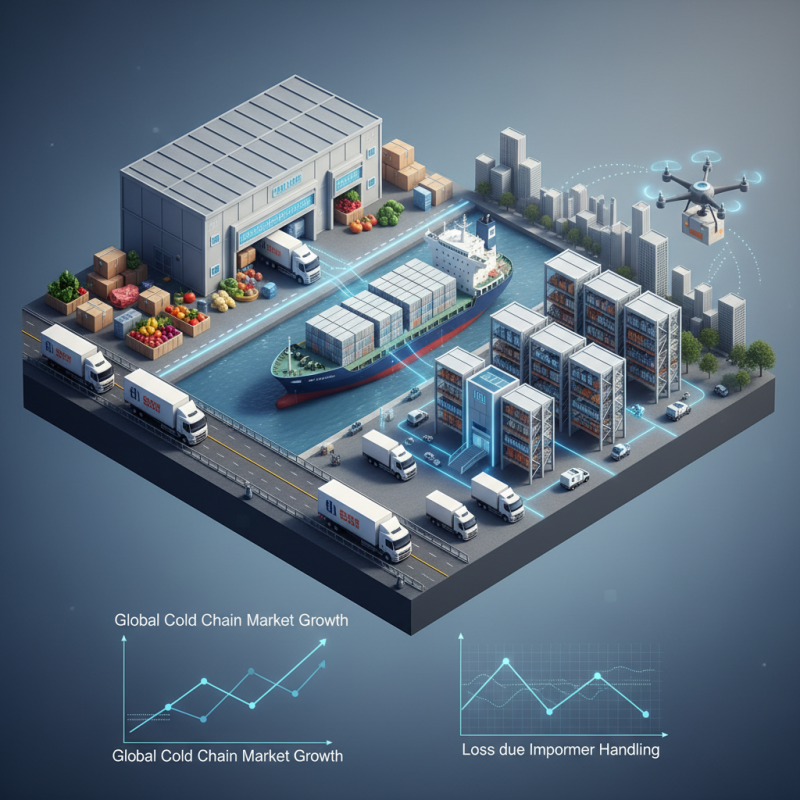
What is Cold Chain and Its Key Components
Cold chain refers to the temperature-controlled supply chain essential for transporting perishable goods. This includes food, pharmaceuticals, and other sensitive products. Maintaining a specific temperature during storage and transit prevents spoilage and ensures product quality. Key components of cold chain management include refrigeration equipment, temperature monitoring systems, and transportation vehicles designed for temperature control.
Refrigeration plays a vital role. It's not just about keeping things cold. Systems must be reliable and efficient. Temperature monitoring technologies like IoT sensors provide real-time data. These sensors help prevent any unexpected deviations. If temperatures rise unexpectedly, losses can occur. It’s a challenge that businesses must face continuously. Proper training for staff is also crucial. They need to understand the importance of maintaining temperatures throughout the supply chain.
Another important aspect is packaging. Insulated containers and dry ice can significantly affect temperature retention. However, not all packaging solutions are perfect. Some materials may fail under certain conditions, leading to compromised products. This highlights the need for constant evaluation and improvement. Businesses must remain proactive to adapt to changes in climate or regulations affecting cold chain logistics.
The Role of Cold Chain in the Supply Chain Management
Cold chain management plays a vital role in supply chain efficiency. It ensures products are maintained at specific temperatures throughout their journey, from manufacturer to consumer. Food items, pharmaceuticals, and certain chemicals are particularly vulnerable to temperature fluctuations. If not managed well, these products can spoil, leading to financial losses and health risks.
Maintaining the cold chain can be challenging. It requires precise temperature control and constant monitoring. Any break in the chain can render products unsafe. This complexity demands a reliable system for tracking and managing temperatures. Businesses must invest in technology to monitor conditions and ensure compliance with safety standards. Regular audits can help identify gaps in the process.
Moreover, not every business prioritizes cold chain logistics, which can lead to inconsistencies. Smaller companies may lack the resources for effective cold chain management. This is a critical oversight, as neglect can compromise product integrity. Constant reflection on processes and improvement is essential for long-term success.
Importance of Cold Chain in Supply Chain Management
Benefits of Cold Chain for Businesses and Consumers
Cold chain logistics is essential for many businesses, especially those in the food and pharmaceutical industries. It involves maintaining a low-temperature supply chain. This ensures products remain fresh and safe from production to consumption. When managed effectively, cold chain processes can significantly reduce food spoilage. Fresh produce stays vibrant and nutritious. Medications retain their efficacy, which is critical for patient safety.
Consumers benefit greatly from a reliable cold chain. They receive fresher products, leading to better taste and nutrition. A strong cold chain can also reduce waste, making it more sustainable. However, not all businesses fully grasp its importance. Many overlook the infrastructure needed for maintenance. Lagging technology can lead to temperature fluctuations. This threatens product quality and safety. Consequently, businesses might face risks that could damage their reputation and finances.
Investing in cold chain solutions can be daunting. The initial costs might seem high. But the long-term benefits often outweigh these concerns. Businesses that embrace cold chain methods can differentiate themselves. They build trust and gain customer loyalty. Ensuring products are stored and transported correctly is vital. This commitment can lead to sustainable growth in an increasingly competitive market.
What is Cold Chain and Why is it Important for Businesses? - Benefits of Cold Chain for Businesses and Consumers
| Dimension | Description | Benefits for Businesses | Benefits for Consumers |
| Temperature Control | Maintains products at required temperatures | Reduces spoilage and waste | Ensures safety and quality of food |
| Supply Chain Efficiency | Streamlines processes from supplier to consumer | Improves inventory management | Faster delivery of fresh products |
| Regulatory Compliance | Meets industry standards and regulations | Avoids legal issues and penalties | Increases trust in products |
| Cost-Effectiveness | Optimizing storage and transportation | Lower operational costs | More affordable product prices |
| Customer Satisfaction | Delivers high-quality products | Increases customer loyalty | Improves overall shopping experience |
Common Challenges in Maintaining Cold Chain Integrity
Maintaining cold chain integrity is crucial for businesses dealing with temperature-sensitive products. One major challenge is temperature fluctuations. Even slight deviations can spoil goods. This risk is heightened during transport. For instance, a truck may break down, leading to temperature changes that affect the entire shipment.
Another significant challenge is equipment failure. Refrigeration units may malfunction without warning. If not monitored closely, this can lead to inventory loss. Businesses must invest in reliable technology. However, technology alone is not enough. Staff training is essential. Employees need to understand how to maintain equipment properly.
Human error poses an ongoing risk as well. For example, loading and unloading procedures must be meticulously followed. A simple mistake can compromise the entire cold chain process. Regular audits are necessary, but they can be overlooked due to busy schedules. Thus, companies must remain vigilant in their efforts to uphold cold chain standards. Simple measures, like checklists, can enhance reliability and accountability within operations.
Future Trends and Technologies in Cold Chain Logistics
Cold chain logistics is evolving rapidly. Companies are exploring advanced technologies to enhance efficiency. IoT devices are becoming essential in temperature monitoring. These sensors enable real-time data tracking. Businesses can respond immediately to temperature fluctuations. This capability minimizes waste and improves product quality.
Automation is another significant trend. Automated storage systems can streamline operations. Robotics in warehouses can reduce handling time. Yet, reliance on automation poses risks. Technical failures could disrupt the entire supply chain. Companies need robust contingency plans in place.
Sustainability is a growing concern in cold chain logistics. Energy-efficient equipment is in demand. Use of eco-friendly refrigerants is increasing. However, implementing these changes can be costly. Small businesses may struggle with the initial investment. Balancing sustainability with cost-effectiveness requires careful planning and consideration.

