How to Choose the Right Warehouse Metal Doors for Your Needs?
Choosing the right Warehouse Metal Doors can significantly impact your facility's security and efficiency. According to industry expert John Smith, "The right doors can enhance access control and increase safety." When selecting warehouse metal doors, consider your unique needs and operational demands.
Different types of metal doors cater to various requirements. Some prioritize security, while others might focus on insulation or access speed. The material, finish, and frame should also match your warehouse's environment. However, finding the perfect fit can be overwhelming. It's easy to overlook vital details like door weight and thermal efficiency.
Designing a functional space demands careful thought. An ill-fitting or low-quality door can lead to costly repairs or safety hazards. Reflecting on your choices can help avoid these pitfalls. In the end, investing time in understanding warehouse metal doors will pay off in improved safety and functionality.
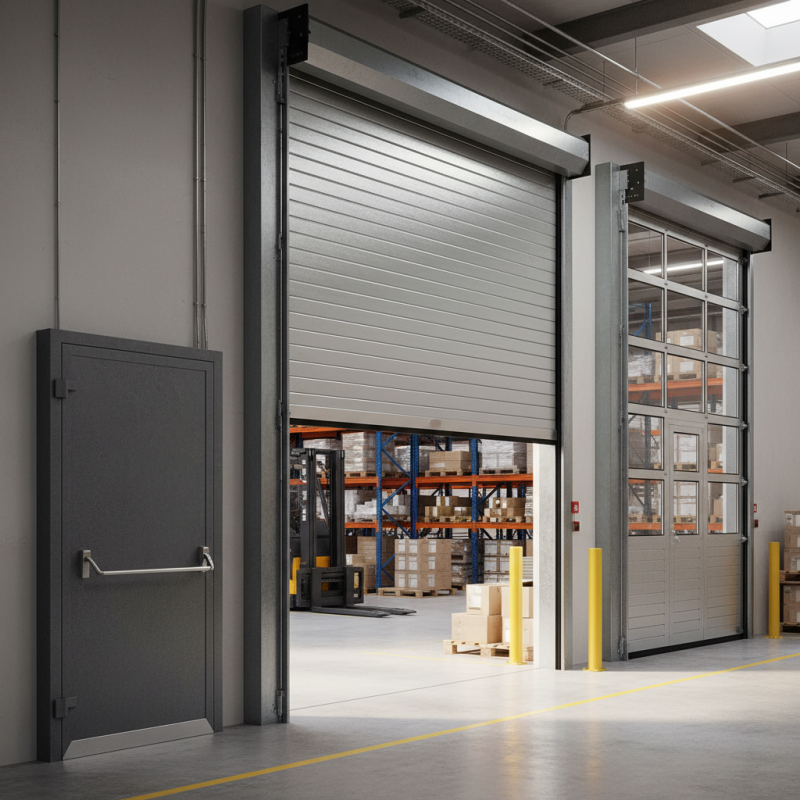
Factors to Consider When Selecting Warehouse Metal Doors for Security Needs
Choosing the right warehouse metal doors requires careful consideration of security needs. These doors play a crucial role in protecting valuable assets. First, assess the level of security your warehouse requires. Are you in a high-crime area? Consider doors with higher gauge steel. A thicker door can deter intruders effectively.
Next, think about the locking mechanisms. Some provide basic locks, while others offer advanced systems. Keyless options and electronic locks enhance security but may be more complex. Ensure you balance security with ease of use.
Also, consider the environmental factors. Will these doors face harsh weather? Corrosion-resistant options may be necessary. Reflect on the long-term maintenance as well. A door that requires frequent upkeep might cost more in the long run. Always remember, popularity does not equal suitability. It's important to think critically about what's best for your specific needs.
How to Choose the Right Warehouse Metal Doors for Your Needs?
| Factor | Considerations | Importance |
| Material Quality | Choose high-grade steel for durability and resistance to impact. | High |
| Security Features | Look for reinforced locks, anti-pick cylinders, and security bars. | Critical |
| Size & Fit | Ensure the door fits the opening and meets operational needs. | High |
| Fire Rating | Select doors with appropriate fire resistance ratings for your location. | Essential |
| Insulation | Consider insulated doors for climate control and energy efficiency. | Moderate |
| Cost | Balance quality features and budget constraints effectively. | High |
Understanding Different Types of Warehouse Metal Doors and Their Applications
When selecting warehouse metal doors, it’s essential to understand the various types available. Roll-up doors are a popular choice for their space efficiency. They provide easy access and are made from sturdy materials. These doors are ideal for facilities that require frequent entry and exit. On the other hand, swinging doors can offer better insulation. They are practical for environments needing temperature control.
Hollow metal doors are known for their durability. They resist damage and offer security. This option is suitable for high-traffic warehouses. However, some might find them heavy and harder to operate than lighter models. Steel doors are also available, known for their strength. But they can be prone to corrosion without proper maintenance, and their weight may require heavy-duty frames.
Finally, consider fire-rated doors for safety. These doors can withstand extreme heat and protect stored goods. However, their installation can be complex and costly. Carefully evaluate your needs and constraints before making a decision. Your choice of warehouse metal doors can significantly impact security, efficiency, and overall maintenance.
Evaluating Thermal Efficiency and Insulation Ratings for Metal Doors
When selecting warehouse metal doors, thermal efficiency is crucial. High-quality insulation can significantly reduce energy consumption. According to the U.S. Department of Energy, well-insulated doors can improve energy efficiency by up to 50%. Choosing the right insulation material is vital. Polyurethane insulation, for example, offers better thermal performance than polystyrene.
Understanding the insulation ratings is also key. The R-value measures thermal resistance. A door with a higher R-value will provide superior insulation. Many available metal doors have R-values ranging from 6 to 20. However, not all manufacturers disclose this information clearly. Always verify the R-value before making a decision.
Condensation can also be a concern. Poor insulation may lead to moisture buildup, which can damage stored goods. Researchers indicate that up to 60% of warehouses face issues with humidity control. Selecting doors that minimize condensation is essential. Ensure that your metal doors are designed for your specific climate conditions, as this greatly influences their performance.
Comparing Cost-Effectiveness: Initial Investment vs. Long-Term Durability
When choosing metal doors for your warehouse, consider both initial investment and long-term durability. The upfront cost can be tempting, but it isn't the whole picture. A cheaper door might save you money now but could lead to higher repairs or replacements later. Durability is often linked to the materials used. Thicker steel and proper insulation can enhance longevity.
Tip: Check the door's warranty. A longer warranty usually indicates confidence in the product's durability.
Installation costs are also part of the initial investment. Proper installation is key to maximizing the lifespan. Avoid DIY if unsure; an incorrect installation may cause future issues. A small oversight can lead to bigger problems down the line.
Tip: Research installation options thoroughly. Get quotes and check reviews before making a decision.
Some doors are designed for specific climates. If your warehouse is in an area with extreme weather, consider doors that can withstand those conditions. While they may have a higher price tag upfront, their resilience can lead to significant savings over time. Think about your specific needs and circumstances.
Industry Standards and Regulations for Warehouse Metal Door Installation
When choosing warehouse metal doors, adherence to industry standards is crucial. The American National Standards Institute (ANSI) sets guidelines to ensure safety and durability. For instance, doors must meet specific fire-rated requirements, with ratings often ranging from 20 minutes to 3 hours. This adherence not only protects assets but also safeguards personnel.
Consider the installation methods as well. According to the Metal Building Manufacturers Association (MBMA), installing metal doors incorrectly can lead to significant issues. Improper sealing can cause air leaks, which may escalate energy costs. Additionally, local building codes dictate the use of specific materials and installation techniques. Ignoring these codes can result in penalties and costly rework.
Lastly, it is essential to evaluate your environment. For example, doors in areas prone to high traffic should feature enhanced durability. Meanwhile, regions subject to extreme weather need insulated options. Failing to consider these factors can lead to frequent replacements, affecting both budget and safety. Balancing compliance with your specific needs is a task that requires careful thought.

