How to Choose the Right Outdoor Down Jacket?
Choosing the right Outdoor Down Jacket begins with understanding how you will actually use it. A jacket for winter commuting faces different demands from one used on windy ridges. Think about temperature, activity level, rain exposure, and pack size before comparing product labels.
Fill power matters, but it is not the whole story. Higher fill power can provide more warmth with less weight. However, total down quantity also affects insulation. A lightweight jacket may feel impressive in a shop, then disappoint during a long, inactive stop. Check the down-to-feather ratio, baffle design, hood adjustment, and cuff construction. Small details matter when cold air reaches your wrists or neck.
Fit deserves a practical test. Wear the base and mid-layers you normally use. Raise your arms, bend forward, and reach into a backpack. The hem should cover your lower back without restricting movement. A few minutes in a warm store cannot reveal everything. No jacket is perfect.
Weather resistance requires honest expectations. Down loses much of its insulating ability when soaked, so a water-resistant shell helps but does not replace a rain layer. Look for credible temperature guidance, clear material specifications, and responsible down certifications from recognized organizations. Independent reviews can help, yet personal comfort varies widely. I once preferred a lighter jacket on steep climbs, then regretted that choice during a windy rest. That mistake still shapes my checklist. The best Outdoor Down Jacket balances warmth, weight, durability, fit, and realistic conditions—not impressive numbers alone.
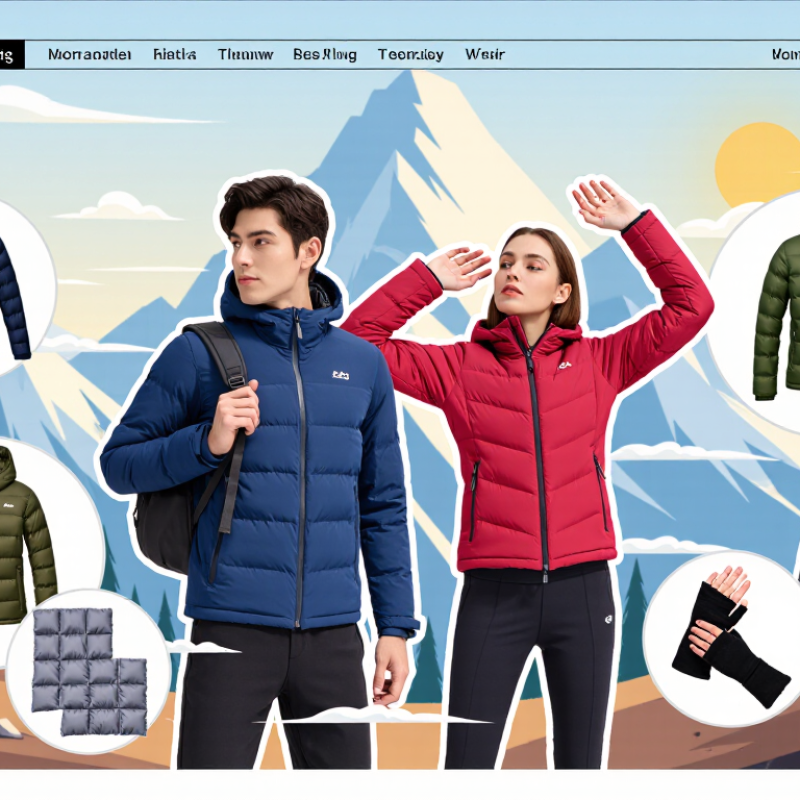
Understanding the Main Types of Outdoor Down Jackets
Outdoor down jackets are not one universal category. Their designs serve different temperatures, activity levels, and packing needs. Understanding these types makes selection more practical than chasing the highest warmth rating.
Lightweight down jackets use less insulation and compress easily into a small pouch. They suit cool hikes, campsite mornings, and active travel.
A midweight jacket adds more down and usually provides better protection during cold, dry conditions. It works well for winter walks and slow-moving outdoor tasks.
Expedition jackets contain substantial insulation, longer cuts, adjustable hoods, and larger baffles. They are built for severe cold, but can feel bulky during ordinary hikes.
Down-and-synthetic hybrids place down around the chest and synthetic insulation near damp areas. This design offers a useful compromise when weather changes quickly.
Check both fill power and fill weight. Fill power describes loft, while fill weight indicates how much down the jacket contains. A high fill-power jacket may still feel insufficient if it uses very little down.
I once chose a highly compressible jacket for a windy ridge and underestimated the exposed sides. It packed beautifully, but my hands stayed cold. That mistake changed how I judge insulation.
Examine cuff seals, hem adjustment, hood coverage, and the shell’s resistance to light moisture. Down loses performance when wet, so a breathable base layer and a reliable rain shell may matter more than a thicker jacket.
Fit also deserves attention. Leave enough room for a warm layer, but avoid empty space that allows heat to escape.
Matching Jacket Features to Your Weather and Activity
How to Choose the Right Outdoor Down Jacket?
Matching a down jacket to the weather and activity matters more than choosing the thickest option. For dry, cold hiking, look for high-loft insulation, a close-fitting hood, and adjustable cuffs. These features hold warm air near your body. A lightweight jacket also packs easily when the trail becomes steep.
Wet conditions require more caution. Down loses much of its insulating power when soaked, so choose a jacket with a water-resistant shell and covered zippers. In persistent rain, wear a waterproof layer over it.
I once underestimated a cloudy forecast and carried only a thin down jacket. The wind became sharp, and my hands went cold quickly. That mistake changed how I check forecasts.
Activity should guide the jacket’s design.
For climbing, a slim fit reduces snagging, while flexible shoulders help during overhead movement.
For slow campsite evenings, extra length and a warmer hood may matter more than low weight.
Skiers often need a powder skirt, helmet-compatible hood, and room for layers.
Runners usually prefer less insulation and better breathability.
Check the temperature, wind, moisture, and pace before buying.
A jacket that feels perfect at rest may become uncomfortable during a fast climb. Fit it over your usual mid-layer, not a thin shirt. Small details matter. A cold zipper or loose collar can ruin an otherwise reliable jacket.
Choosing the Right Down Fill, Warmth, and Weight
How to Choose the Right Outdoor Down Jacket?
Choosing the Right Down Fill, Warmth, and Weight
Down fill power describes how much loft one ounce can create. Higher numbers usually mean better warmth for less weight. A 700-fill jacket can feel lighter than a 600-fill jacket with similar insulation. However, fill power does not tell the whole story. Total down weight, baffle design, fit, and wind protection also matter. The International Down and Feather Bureau identifies fill power as a loft measurement, commonly tested in cubic inches per ounce.
Warmth should match your activity, not just the forecast. For slow winter walks, choose more down and a longer cut. For fast climbs, less insulation may prevent sweating. The ISO 23537-1 standard shows why clothing ratings depend on controlled conditions. Real weather is less cooperative. Wet snow, strong wind, and poor layering can change comfort quickly. Outdoor Industry Association’s 2024 participation report recorded 175.8 million American outdoor participants in 2023. That range includes casual hikers and serious mountaineers, so one warmth level cannot suit everyone.
Tips: Compare total fill weight, not fill power alone. Check whether the hood adjusts around your face. A lightweight shell saves space, but fragile fabric may disappoint after repeated trips. I once favored the lightest jacket and regretted it during a windy ridge walk. My test was incomplete. Packability matters, but warmth during long rests matters more. Choose responsibly sourced down and inspect stitching before purchase.
How to Choose the Right Outdoor Down Jacket? - Choosing the Right Down Fill, Warmth, and Weight
Typical specifications and use cases for outdoor down jackets | Jacket Category | Typical Down Fill Power | Typical Down Fill Weight | Approx. Total Jacket Weight | Relative Warmth | Suitable Conditions | Key Advantages | Main Trade-Offs |
| Ultralight Insulation Layer | 650–800 cu in | 40–90 g | 180–350 g | Low to moderate | Cool summer evenings, high-output hiking, layering under a shell | Very light, highly packable, minimizes bulk during active movement | Limited warmth in strong wind or below-freezing temperatures; thin fabric may be less abrasion-resistant |
| Three-Season Lightweight Jacket | 650–800 cu in | 80–140 g | 280–500 g | Moderate | Spring and autumn hiking, trekking, camping, and cool evenings around camp | Good balance of warmth, weight, and packability | Usually needs a windproof or waterproof shell in severe weather |
| General Cold-Weather Jacket | 700–850 cu in | 120–220 g | 400–700 g | Moderate to high | Cold-weather travel, winter day hikes, belays, and low-intensity outdoor activities | Comfortable warmth without the bulk of an expedition parka | Heavier and less compact than an ultralight layer; warmth depends strongly on jacket fit and construction |
| Winter Down Parka | 700–900 cu in | 180–320 g | 600–1,000 g | High | Extended winter use, cold camps, ski areas, and inactive periods in freezing conditions | High insulation, longer coverage, and better protection around the hood and hem | Greater weight and packed size; can become excessively warm during strenuous activity |
| Expedition-Weight Parka | 750–950 cu in | 300–500+ g | 900–1,500+ g | Very high | Extreme cold, high-altitude expeditions, polar travel, and long periods of inactivity | Maximum insulation, often with a large hood, draft collar, and extended hem | Bulky, expensive to transport, and unsuitable for warm or highly aerobic conditions |
How to read the specifications: Fill power measures the loft of down, expressed in cubic inches per ounce; a higher value can provide more insulation at the same fill weight, but it does not determine total jacket warmth by itself. Down fill weight, baffle design, jacket length, fit, hood coverage, fabric wind resistance, humidity, and activity level also have a major effect. The figures above are typical ranges rather than fixed standards, and total weight includes the shell, lining, zipper, hood, and other components.

