
Skip to content

How to Choose the Best Trekking Shoes for Global Sourcing?

Choosing the right Trekking Shoes for global sourcing requires more than comparing factory prices. Buyers must connect trail performance with measurable production requirements. A shoe that feels stable on wet stone may still fail after repeated flexing. Materials, outsole grip, cushioning, stitching, and water resistance all deserve practical review. The sourcing decision also affects returns, user safety, shipment costs, and brand reputation. No checklist is perfect. That matters.

This guide presents a practical method for evaluating suppliers, samples, and production claims. It considers field experience, technical specifications, quality records, and buyer feedback. A reliable review should examine outsole rubber hardness, tread depth, toe protection, heel support, and bonding strength. Simple checks help. Walk across wet pavement. Bend the forefoot repeatedly. Inspect loose threads around the eyelets. Then compare those observations with laboratory reports and applicable market requirements. Supplier audits, traceable material documents, and consistent inspection records can strengthen purchasing decisions. They cannot replace careful sample testing.

Global sourcing adds operational risks that trail testing alone cannot reveal. Minimum order quantities, size grading, packaging dimensions, lead times, and replacement policies can change the final cost. A factory may offer an attractive quotation but struggle with small size runs or seasonal demand. That assumption can fail. Buyers should request clear specifications, approved reference samples, inspection checkpoints, and corrective-action procedures before placing orders. Product claims should remain evidence-based and easy to verify. The best choice balances comfort, durability, compliance, and dependable supply. It also leaves room for honest review when the first sample is not good enough.
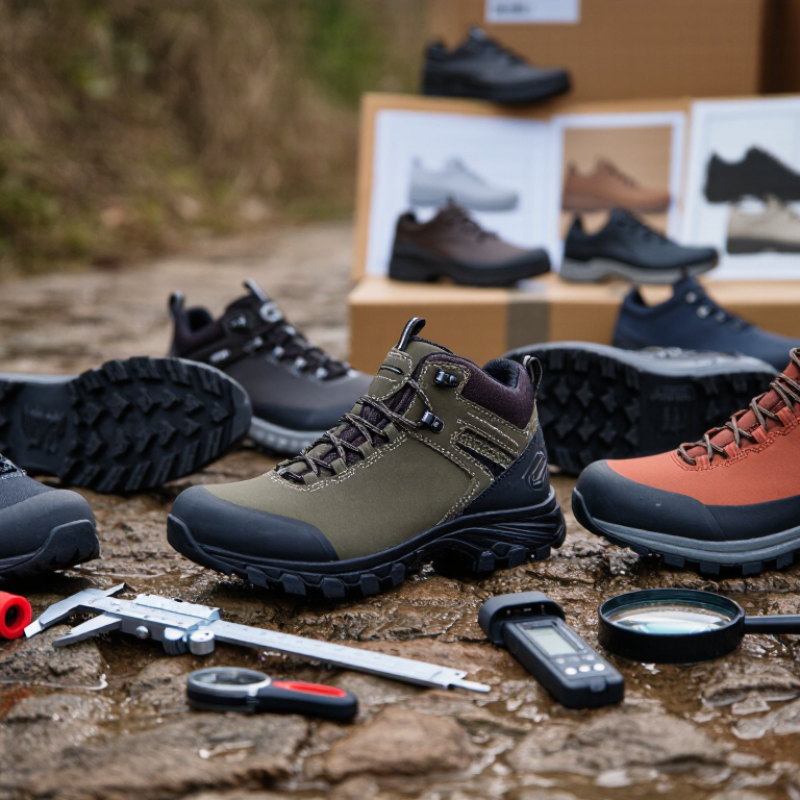
How to Choose the Best Trekking Shoes for Global Sourcing?

Define Trekking Shoe Requirements for Different Global Markets

Global sourcing starts with local trekking realities, not a universal shoe specification. The Outdoor Industry Association’s 2024 Participation Trends Report recorded 57.8 million U.S. hikers in 2023. That demand favors lightweight shoes, stable midsoles, and breathable uppers for maintained trails. European buyers often expect waterproof protection and durable outsoles for wet, rocky routes. In Asia-Pacific, humid conditions can make quick-drying mesh, odor control, and wider size coverage more important. World Footwear’s 2024 Yearbook reported that Asia represented more than half of global footwear consumption in 2023. Volume matters, but regional fit matters more.

Define each market with measurable requirements. Set weight targets, flex levels, heel-to-toe drops, outsole lug depths, and moisture-testing methods. For tropical markets, test shoes after repeated wet-dry cycles. For cold regions, inspect grip performance below freezing. A sourcing team should also compare local foot shapes, retail price ceilings, packaging expectations, and material documentation. The European Chemicals Agency’s REACH framework makes chemical compliance documentation essential for European sales. Requirements should be written before supplier quotations arrive. Otherwise, low prices can hide costly redesigns.

Tips: Build a market matrix with terrain, climate, consumer fit, and target cost. Test samples with local hikers, not only laboratory staff. Record blisters, heel movement, and drying time. Be willing to revise the first specification. It may look technically strong but feel wrong outdoors. Check every data source’s publication year, because participation reports and market forecasts change quickly.

How to Choose the Best Trekking Shoes for Global Sourcing?

Define Trekking Shoe Requirements for Different Global Markets

The chart uses a 1–5 procurement priority scale, based on common terrain and climate conditions across major trekking markets. Higher scores indicate that a feature should receive greater attention during material selection, product testing, and supplier evaluation.

Compare Materials, Construction, Fit, and Performance Features

Choosing trekking shoes for global sourcing requires more than comparing price and appearance. Materials strongly influence comfort, durability, and production consistency. Full-grain leather resists abrasion but adds weight and needs careful finishing. Synthetic mesh feels lighter and dries faster, yet it may wear sooner around rocky trails. Waterproof membranes help in wet conditions, but they can reduce breathability. Check material samples, seam quality, rubber grip, and supplier testing records before approving large orders.

Construction affects how the shoe behaves under pressure. A reinforced toe box protects feet from stones, while a firm heel counter improves stability. Stitched and cemented soles offer different repair and bonding results. Fit must match the intended user. Compare heel hold, toe room, arch support, and forefoot width using several foot shapes. A shoe can look excellent on a sample table and still pinch after six hours. I once focused too heavily on waterproofing and underestimated heat buildup. That was a useful mistake.

Tips:

Test prototypes on wet rock, loose gravel, and long climbs. Use the same socks each time. Measure sole flex, outsole wear, water resistance, and weight after repeated use. Ask factories for batch inspection data and construction tolerances. Do not rely on one tester. Small fit differences can become major returns. Performance should be judged against the target climate, trail type, and customer profile, not attractive specifications alone.

Evaluate Supplier Capabilities, Certifications, and Production Quality

When sourcing trekking shoes globally, supplier capability matters more than a polished catalog. Ask for monthly capacity, outsole molding equipment, labor skills, and backup production plans. Request samples from regular production, not only development rooms. Inspect stitching, bonding, heel counter shape, and toe protection under wet and dry conditions. Small flaws often appear after repeated flexing.

Certifications should support real factory practices. Verify the current scope, issuing body, facility address, and expiration dates. A quality-management certificate is useful, but it does not guarantee durable footwear. Check material test reports for abrasion, slip resistance, hydrolysis, colorfastness, and harmful-substance controls. Match each report to the actual upper, lining, adhesive, and outsole compounds. Documents can be correct yet unrelated.

Production quality needs measurable checkpoints. Agree on approved samples, tolerances, carton standards, and inspection levels before placing an order. Visit the factory when possible, or use an independent inspector for inline and final checks. Track defect patterns, not only pass rates. A supplier who explains a failure honestly may be safer than one promising perfection. I have seen rushed inspections miss uneven glue near the toe rand. That mistake was expensive. Leave time for corrective samples, because strong production evidence is rarely collected in one afternoon.

Verify Samples, Testing Standards, Pricing, and Minimum Order Terms

How to Choose the Best Trekking Shoes for Global Sourcing?

A reliable sourcing decision starts with physical samples, not catalogue photos. Request several sizes, colors, and production batches. Check stitching tension, heel alignment, adhesive marks, and outsole bonding. Walk on wet tiles, loose gravel, and steep concrete. Small defects become expensive at scale. The World Footwear Yearbook 2024 reports that Asia produced over 87% of global footwear in 2023, so supplier distance alone does not prove quality.

Testing claims should match the shoe’s intended use. Ask an independent laboratory to test slip resistance, flexing, abrasion, water penetration, tear strength, and sole adhesion. EN ISO 20344 provides recognized footwear test methods, but it is not a complete trekking performance label. Some buyers overlook this distinction. A report showing one passed test may not support every marketing claim. Request test dates, specimen details, laboratory accreditation, and failure limits.

Pricing needs a landed-cost worksheet. Include materials, molds, membranes, packaging, testing, freight, duties, and possible rework. Compare quotes using the same specification. Minimum order terms require equal care. Confirm whether MOQ applies per style, color, or size range. Clarify sample fees, deposit percentages, production lead time, replacement policy, and payment milestones. A low factory price can conceal high mold costs or weak replenishment terms. I would still challenge my first spreadsheet; freight and rejected pairs are easy to underestimate.

Select the Best Sourcing Partner Through Risk and Cost Analysis

How to Choose the Best Trekking Shoes for Global Sourcing?

Selecting a sourcing partner requires more than comparing factory prices. A low quotation may hide testing fees, tooling charges, freight delays, or high defect rates. The 2023 McKinsey Global Supply Chain Leader Survey reported that 95% of respondents experienced supply chain disruptions. Therefore, supplier resilience deserves a measurable score. Review production capacity, material traceability, quality procedures, and backup plans before negotiating cost.

Request a pilot order with clear specifications. Check outsole grip, stitching strength, waterproof performance, carton compression, and packaging moisture. Compare the landed cost, not only the unit price. Include sampling, inspection, customs, storage, rework, and possible returns. The World Bank’s 2023 Logistics Performance Index assessed logistics across 139 economies, highlighting major differences in reliability, tracking, and delivery speed. These differences can change the real cost of global sourcing.

Ask for recent audit records and independent test reports. Then verify them with small, repeatable checks. A capable partner should explain how one damaged carton is investigated, not merely promise “zero defects.” That promise sounds attractive. It is not evidence. Score each supplier by quality stability, lead-time accuracy, communication speed, compliance controls, and total cost. I would also challenge my own forecast. Demand estimates are often too optimistic. A slightly higher price may be safer when it reduces rework, delays, and emergency freight. Decisions should remain documented, reviewable, and based on evidence rather than personal confidence.

How to Choose the Best Trekking Shoes for Global Sourcing?

Select the Best Sourcing Partner Through Risk and Cost Analysis

Global Trekking Shoe Sourcing Evaluation Matrix
Evaluation Dimension Weight Data Metric Recommended Target or Benchmark Why It Matters for Trekking Shoes Risk Level if Below Target Verification Method Score
(1–5)
Product Performance 20% Outsole abrasion resistance Set a test limit before sampling; compare wear loss under the same laboratory method and test conditions. High abrasion resistance helps reduce premature outsole wear on rocky and mixed terrain. Medium Independent laboratory report, approved sample, and production lot testing. 5
Product Performance 20% Water resistance and hydrolysis durability Define a water-entry limit and conditioning period suitable for the intended market and construction. Waterproof membranes, adhesives, and foam components can fail if material compatibility and aging are not controlled. High Water-entry testing, aging tests, material declarations, and random production inspections. 4
Product Performance 20% Fit consistency and size grading Approve a measurement chart with tolerances for length, width, instep, and collar height. Inconsistent grading increases returns, complaints, and inventory fragmentation across markets. High Size-set review, last measurement records, wear trials, and pre-shipment inspection. 5
Compliance 15% Restricted substances and material compliance Require material declarations and testing against the legal requirements of each destination market. Leather, rubber, dyes, adhesives, packaging, and metal components may be subject to different regulations. High Third-party chemical testing, supplier declarations, bill of materials, and traceability records. 5
Cost 15% Landed cost per pair Compare product cost, tooling, packaging, freight, duties, inspection, financing, and expected defect cost. A lower factory quotation may become more expensive after freight, duty, rework, late delivery, and quality losses. Medium Comparable quotations using the same Incoterm, order quantity, specifications, and destination. 4
Delivery Reliability 10% On-time delivery rate Use a documented target of at least 95% on-time shipment for mature, repeat orders. Seasonal trekking demand makes late deliveries costly because replacement capacity may be limited. High Review shipment history, production plans, capacity records, and agreed service-level reporting. 4
Lead Time 10% Sample-to-production and replenishment lead time Record separate lead times for development, material procurement, production, inspection, and transport. Separating each stage reveals hidden delays and supports more accurate inventory planning. Medium Written critical-path schedule, historical production records, and milestone tracking. 4
Supplier Resilience 5% Single-source dependency for critical materials Identify alternative sources for membranes, rubber compounds, laces, hardware, and packaging. A disruption in one critical component can stop finished-goods production even when factory capacity is available. High Bill-of-materials risk map, approved alternative materials, and documented contingency plans. 3
Quality Management 5% Defect rate and corrective-action closure Set an agreed acceptance quality limit and require root-cause analysis for repeated defects. Typical footwear defects include bonding failure, stitching defects, uneven lasting, sole separation, and cosmetic variation. High Pre-production approval, inline inspection, final inspection, defect Pareto analysis, and corrective-action reports. 4
Landed Cost Formula: Product Cost + Tooling Allocation + Packaging + Inland Transport + International Freight + Insurance + Import Duty + Inspection Cost + Financing Cost + Expected Quality Loss.
Planning note: The percentages and scores are a structured procurement model for comparing sourcing partners, not a claim about any specific company or country. Validate every target through product testing, destination-market regulations, freight quotations, duty classification, and a documented supplier audit before placing a production order.

Article Source: