How to Choose the Best Solid Color Down Duvet for Your Home?
Choosing the right Solid Color Down Duvet can transform your bedroom. Expert Anna Hart, a renowned interior designer, emphasizes, “A duvet can elevate the entire aesthetic of your space.” This truth highlights the importance of making an informed choice.
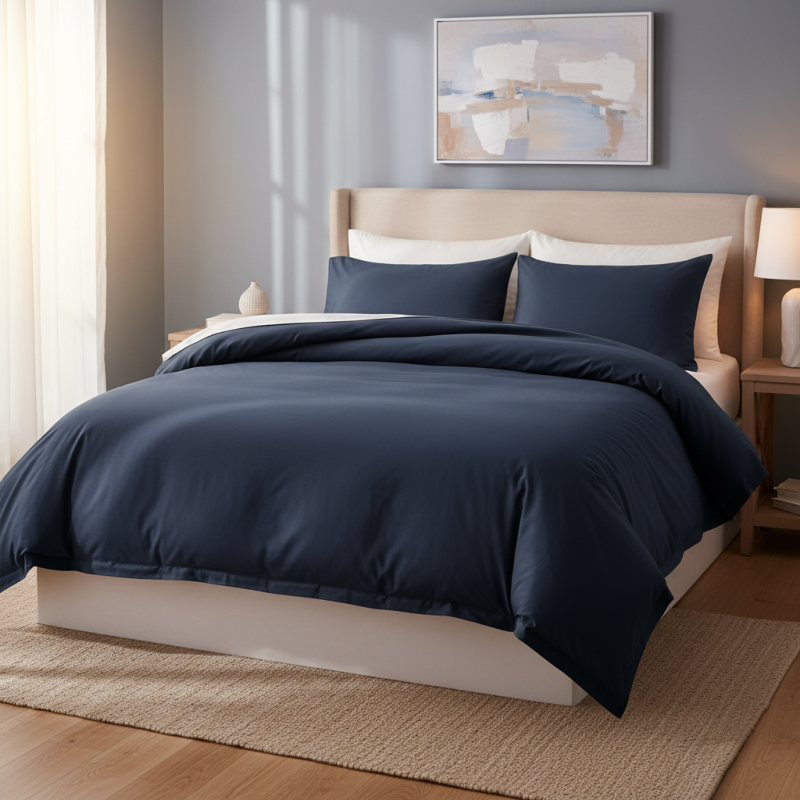
Selecting a duvet involves several factors. You should consider warmth, weight, and fill power. Different colors may also influence the room's mood. A deep navy duvet creates a calming effect, while vibrant red energizes the space. It's essential to find a balance between aesthetics and functionality.
Many assume that all Solid Color Down Duvets are the same, but this is a misconception. Quality varies widely. Look for reputable brands. Investigate the materials used in the duvet’s construction. This attention to detail can greatly impact your satisfaction with the product. Each decision shapes your home's atmosphere, and sometimes, a choice may not meet expectations. Reflecting on these aspects ensures you select the best duvet for your needs.
Understanding the Importance of Choosing a Quality Duvet
Choosing the right duvet is crucial for a comfortable home. A quality duvet affects sleep quality and overall well-being. It should provide warmth without overheating. This balance is often tricky to achieve.
Consider the duvet's filling and fabric. Down is luxurious and offers excellent insulation. Synthetic fillings are often hypoallergenic and more affordable. Fabric also matters. Natural cotton is breathable and soft. However, synthetic options can be easier to clean.
Think about your personal lifestyle as well. If you have allergies, focus on hypoallergenic options. If comfort is key, down might be your best choice. Reflect on maintenance as well. Some duvets require special care, while others are machine washable. Weighing these factors helps in making an informed choice. Choosing wisely can lead to better sleep and a cozier home.
Types of Solid Color Down Duvets: Features and Benefits
When selecting a solid color down duvet, understanding the features and benefits of various types can greatly enhance your decision. Down duvets primarily vary in down fill power, which indicates the fluffiness and insulation efficiency. According to industry research, a fill power of 600-700 offers a good balance of warmth and weight, suitable for most climates. Higher fill powers provide increased warmth but may feel bulky.
Consider the fabric shell as well. A higher thread count typically results in a softer feel and better durability. Materials like cotton or silk are common. Cotton is breathable and easy to care for. Silk, although luxurious, may require more delicate handling. Many consumers report that a breathable duvet shell enhances sleep quality, leading to fewer night sweats and better rest.
As you explore options, think about maintenance. Some down duvets are machine washable, while others require professional cleaning. This can impact long-term usability and convenience. Additionally, allergic reactions may occur with certain materials, especially with lower-quality down. Research suggests that hypoallergenic options are available, catering to those sensitive to allergens. Each individual's needs will dictate the best fit, making it imperative to weigh both benefits and potential drawbacks before making a choice.
How to Choose the Best Solid Color Down Duvet for Your Home?
| Type | Fill Power | Weight | Warmth Level | Benefits |
| Lightweight Down Duvet | 600 | 3.5 oz | Cool/Medium | Ideal for summer; breathable and lightweight |
| Midweight Down Duvet | 700 | 5 oz | Medium | Versatile for year-round use; balanced warmth |
| Heavyweight Down Duvet | 800 | 8 oz | Warm | Perfect for cold climates; superior insulation |
| All-Season Down Duvet | 650 | 6 oz | Medium to Warm | Combines benefits of both lightweight and heavyweight; adaptable |
Factors to Consider When Selecting Down Fill Power and Weight
When choosing a solid color down duvet, consider the fill power and weight. Fill power measures the fluffiness and insulating ability of down. Higher fill power means better warmth with less weight. Typically, fill power ranges from 600 to 900. A duvet with 800 fill power feels lighter but offers significant warmth. However, more isn't always better. A high fill power may be too warm for some climates.
Weight is another critical factor. Lighter duvets are often preferred for warmer climates. They provide comfort without overheating. On the other hand, heavier options may be good in colder regions. It’s essential to think about your local weather and personal preferences. Sometimes, it’s easy to choose based on recommendations. However, each person's needs differ greatly. Trying different weights and fill powers can help find the right balance.
Don’t overlook duvet construction, too. The way down is distributed affects warmth and comfort. Excessive clumping can lead to cold spots. Quality stitching helps maintain an even distribution. A duvet may seem perfect on the shelf, but testing it is crucial. Always consider how it feels during actual use. Your choice should reflect not just style but genuine comfort.
Evaluating Duvet Shell Materials for Durability and Comfort
When selecting a down duvet, the shell material significantly influences both durability and comfort. Common materials include cotton, silk, and microfiber. Cotton is highly regarded for breathability. According to a study by the Textile Research Journal, 65% of consumers prefer cotton for bedding. This preference stems from its softness and hypoallergenic properties, making it a popular choice for sensitive individuals.
Silk offers luxurious comfort but can be more fragile. A report from The International Journal of Fiber and Textile Research indicates that silk can lose structural integrity with frequent washing. While its moisture-wicking properties are appealing, the maintenance required may deter some buyers. Microfiber, on the other hand, has gained traction for its affordability and resilience. It's often stain-resistant and easy to care for, but it may not provide the same level of breathability as cotton or silk.
Choosing the right duvet shell material requires careful consideration of lifestyle and preferences. Not all materials suit every individual. While cotton is often praised for its reliability, some users may find it wrinkles easily. Silk may provide elegance but can come with higher care demands. Understanding these trade-offs is essential in evaluating what matters most in your duvet selection.
Tips for Maintaining and Caring for Your Solid Color Down Duvet
Maintaining and caring for your solid color down duvet is essential for longevity and comfort. Proper care can enhance its lifespan significantly. According to industry studies, a down duvet with proper maintenance can last up to 15 years or more. Regular cleaning is crucial. Most duvets require cleaning every 3 to 5 years, but check the care label for specific instructions.
Tip: Always use a duvet cover. It acts as a protective barrier against dust, dirt, and spills. This simple step reduces the need for frequent washing. When washing, use a large-capacity washer on a gentle cycle. Use a mild detergent to preserve the down clusters. Dry completely with dryer balls to maintain fluffiness.
Air out your duvet regularly. This helps to refresh the down and reduce moisture buildup. Even high-quality down can develop odors if left unwashed for years. Keeping it off the floor and using a breathable storage bag during the off-season can help preserve quality, too. Though down is resilient, avoid storing it in damp or dark areas.
Remember, each duvet is unique. The care you give it will affect its performance and how it feels at night. Reflect on your sleep environment. Small changes can lead to a better night’s sleep.

