Skip to content

How to Choose the Best Moisturizing Dish Soap?

Choosing a Moisturizing Dish Soap means balancing two jobs: lifting grease from plates and being kinder to hands during repeated washing. The label can offer clues, but it cannot tell the whole story. A soap may contain glycerin or other conditioning ingredients and still leave some people feeling dry. Skin, water temperature, and washing habits matter, too.

Look beyond front-label claims. Check the ingredient list for moisturizing agents, and consider fragrance-free options if scented products bother your skin. Notice how the soap performs on a greasy pan, whether it rinses cleanly, and how your hands feel afterward. A soft lather is not proof of better care. Nor does “natural” automatically mean gentle. Small details count.

A reliable buying guide should also draw on a qualified formulator or dermatologist. No source article or verified expert quotation was supplied here, so attributing a quote to a named specialist would risk inventing authority. That matters. This guide will instead focus on practical checks readers can repeat at home: compare labels, wash the same kind of dish, and observe how your skin responds. One more honest point: no single bottle suits everyone. The best choice is the one that cleans effectively without leaving your hands uncomfortably tight.
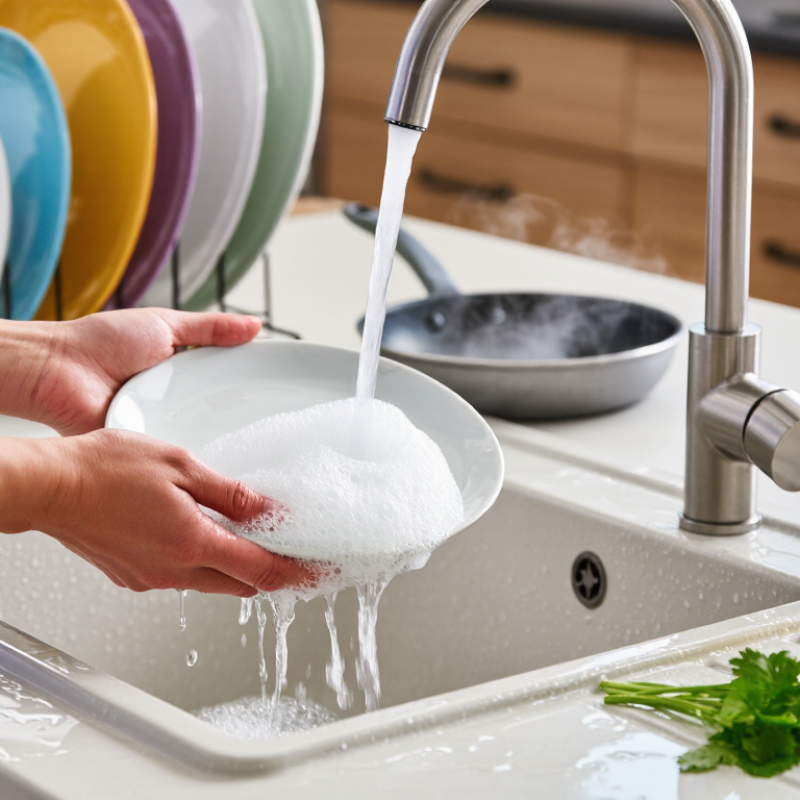
How to Choose the Best Moisturizing Dish Soap?

What Makes a Dish Soap Moisturizing?

What Makes a Dish Soap Moisturizing?

A moisturizing dish soap still needs to lift oil from plates, but its formula may include humectants such as glycerin. Humectants attract water; emollients can soften the skin’s surface. Mild surfactants and an easy-rinsing formula also matter, since leftover suds can feel tight or irritating. The word “moisturizing” on a label is not proof of a gentle formula.

Skin data offers useful context. A 2020 BMJ Open survey of 1,119 UK healthcare workers found that 74.5% reported skin damage linked to hand hygiene. This was not a dish-soap trial, so it cannot predict how one formula will affect every home user. Still, repeated wet work and detergent exposure can leave hands dry. Pay attention after washing: do knuckles feel tight, or do fingertips stay comfortable?

For a practical check, wash a greasy pan with lukewarm water, then rinse your hands well. Notice the feel after drying, not just the slippery sensation during washing. I’d look for glycerin and a clear ingredient list, while remembering that “more moisturizing” does not mean irritation-free. The details matter. Skin differs, and I sometimes need to change products when the weather turns cold.

Which Ingredients Support Skin Comfort?

How to Choose the Best Moisturizing Dish Soap?

Which Ingredients Support Skin Comfort?

When washing a stack of plates, skin comfort often depends on both the formula and how long your hands stay in the suds. Glycerin is a humectant that helps attract water, so it may soften the tight feeling some people notice after washing. Since dish soap is rinsed off quickly, though, it should not be treated like hand cream.

Look for mild cleansing agents and clear ingredient information. Surfactants remove grease, but formulas can feel different from one person to another. Fragrance-free options may suit people who find scented products irritating; “natural” fragrance can still bother sensitive skin. A little less scent helps.

Pay attention to your own hands, not just the front label. If knuckles feel dry after washing, try wearing gloves, using lukewarm water, or applying moisturizer afterward. That may matter more than one added ingredient. It is easy to expect a dish soap to solve dryness, and that expectation is not always realistic. Stop using a product if it causes persistent irritation, and consider asking a healthcare professional about recurring symptoms.

How to Match Soap to Your Skin Needs

Match the soap to your skin, not just the dishes. If your hands feel tight after washing, look for a fragrance-free formula and mild cleansing agents. Glycerin can help attract water to the skin, but “moisturizing” on a label does not guarantee a gentle wash. Small detail, real difference: rinse thoroughly, especially around the knuckles and under rings.

For easily irritated skin, skip added fragrance and choose a product that leaves no lingering scent or slick film. The National Eczema Association estimates that about 31.6 million people in the United States have eczema. That figure is not specific to dish-soap reactions, but it shows why skin needs can vary widely. If you already have eczema, cracked skin, or a known fragrance sensitivity, test a small amount first and stop if burning or redness develops.

Water temperature and washing time matter, too. Use lukewarm water, then pat your hands dry rather than rubbing them. A plain moisturizer applied afterward can support the skin barrier; soap alone cannot replace it. Gloves may help during a long sink session, but trapped sweat can also irritate some hands. I would not assume one formula works for everyone. Persistent itching, painful cracks, or a rash deserves advice from a dermatologist.

How to match dish soap to your skin needs: Skin is naturally mildly acidic, while traditional soap is more alkaline. Dishwashing liquid formulas vary, so pH alone cannot tell you whether a product will be moisturizing. If your hands are dry or sensitive, consider a fragrance-free formula, wear dishwashing gloves, and apply hand cream after washing. The ranges shown are typical and vary by product.

How to Compare Cleaning Power and Safety

Choosing a moisturizing dish soap means comparing grease removal with how it feels and behaves on skin. Try the same small amount on two equally oily plates, using warm water and the same sponge. Notice whether residue lifts quickly, then check the plate under running water. A rich lather can look convincing, but foam alone does not prove stronger cleaning. That matters. If a soap needs repeated scrubbing, it may use more time and water than expected.

Read the ingredient and use directions before judging comfort. “Moisturizing” does not guarantee that a formula will suit sensitive skin; fragrance and other ingredients can bother some people. Check the label. Wear gloves if dishwashing leaves your hands tight or irritated, and rinse dishes thoroughly, especially items used by children. I once focused too much on how soft my hands felt after washing, then noticed a faint greasy film on a glass. It was a useful reminder: comfort and cleaning are separate tests. Compare both, and change only one variable at a time, such as water temperature or soap amount.

How to Choose the Best Moisturizing Dish Soap? - How to Compare Cleaning Power and Safety
Formula Type Grease-Cleaning Performance Skin-Comfort Considerations Safety Checks Best Fit
Standard liquid dish soap Typically effective on everyday food residue and grease when used as directed. Results vary by formula and water conditions. Frequent exposure to water and detergents can dry or irritate skin, especially for people with sensitive skin. Follow the label, avoid eye contact, and rinse dishes thoroughly with clean water. Routine hand-washing of dishes when moisturizing features are not a priority.
Moisturizer-added formula Cleaning ability depends on its surfactants and concentration; a moisturizing claim alone does not indicate grease-cutting strength. May include ingredients such as glycerin or emollients, but it can still irritate or dry skin. It is not a substitute for hand cream. Review the ingredient list and directions; stop use if irritation occurs. People who want a dish soap marketed with added skin-conditioning ingredients.
Fragrance-free formula Can clean as effectively as scented products if the cleaning ingredients and use instructions are comparable. Avoids added fragrance, which may be useful for people who prefer fragrance-free products. “Fragrance-free” does not mean allergy-proof. Check the full ingredient information for other potential sensitivities; use only as directed. Those who prefer to avoid added fragrance or find scented products bothersome.
Concentrated formula A smaller amount may be sufficient, but performance depends on the product and the amount used. Using more than directed can increase residue and skin exposure; dilution instructions, if provided, should be followed. Measure or dispense carefully, keep the product out of children’s reach, and never mix it with other cleaners. Shoppers who want a compact product and are comfortable following dose instructions.
Plant-derived surfactant formula Plant-derived ingredients can provide cleaning action, but “plant-derived” alone does not establish cleaning strength. Plant-derived does not automatically mean gentler; individual ingredients can still cause irritation or an allergic reaction. Evaluate the label and safety directions rather than relying on “natural” or “plant-based” wording alone. People who prefer products that identify plant-derived cleaning ingredients.
Practical comparison method Compare products using the same amount, water temperature, soil, and washing method; follow each label’s directions. For frequent dishwashing or existing skin concerns, consider wearing waterproof gloves and applying hand moisturizer after washing. Choose a product labeled for hand-washing dishes. Do not use dish soap in an automatic dishwasher unless its manufacturer specifically permits it. Anyone comparing cleaning performance, skin comfort, and directions on a like-for-like basis.
Note: Product performance and skin response vary by formula and individual. “Moisturizing,” “gentle,” and “plant-derived” claims do not guarantee that a product will prevent dryness or irritation.

How to Choose and Use the Right Dish Soap

How to Choose the Best Moisturizing Dish Soap?

Choosing a dish soap starts with the job at hand. For greasy pans, look for clear directions on grease removal and use only the amount recommended. A “moisturizing” label may indicate added skin-conditioning ingredients, but dish soap still cleans by removing oils. It is not a hand cream. If your skin is sensitive, consider a fragrance-free formula and check the ingredient label for anything you already know irritates you.

How you use the soap matters, too. Add a small amount to warm water rather than pouring it directly onto every dish. Less is often enough. Wear waterproof gloves if frequent washing leaves your hands tight or cracked, and rinse dishes thoroughly so no suds remain. Follow the product’s label, especially for concentrated formulas. I used to think hotter water meant cleaner plates; in practice, it can make hand dryness worse, and careful scrubbing matters more. Let dishes air-dry on a clean rack, and apply hand cream after washing if needed. Stop using a product if you develop persistent redness or itching, and seek medical advice for ongoing symptoms.