
$0.00
Choosing the right PP Woven Bag in 2026 requires more than comparing prices or fabric color. Packaging buyers must examine strength, stitching, material quality, storage conditions, and end-use requirements. A bag carrying rice needs different performance from one holding fertilizer, animal feed, or construction materials. Small details matter. A weak seam can fail during stacking, transport, or warehouse handling.
Experienced buyers usually begin with the product’s weight, density, moisture sensitivity, and filling method. They also check fabric grammage, coating, liner options, valve design, handle strength, and printing durability. Reputable manufacturers should provide clear specifications, production samples, quality records, and practical testing results. Ask for drop tests, load tests, and seam inspections. Do not rely on attractive photographs alone.
The best choice is rarely the cheapest one. A lower unit price may create higher losses through damaged goods, repacking, or delayed shipments. However, premium features are not always necessary. This is where purchasing decisions become less perfect. Buyers can overestimate strength, overlook storage humidity, or select a complex design that adds cost without useful protection. Review real handling conditions before approving a large order.
In 2026, sustainability and supply reliability also deserve careful attention. Confirm recycled-content claims, traceability, packaging regulations, and disposal expectations in your target market. Request written evidence instead of accepting vague environmental language. A reliable PP Woven Bag should protect the product, fit the supply chain, and perform consistently from filling to delivery. The following guide explains how to compare these factors with greater confidence.
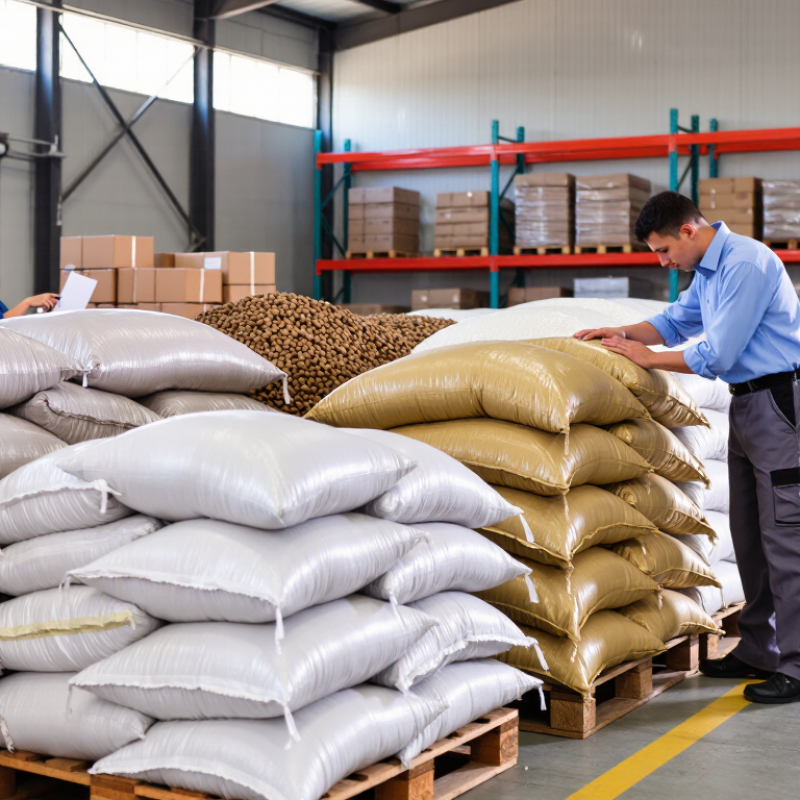
Choosing PP woven bags in 2026 starts with the real handling routine, not a catalog number. A 25–50 kg sack works well when workers or small equipment move individual units. Its compact size supports pallet stacking and controlled dispensing. However, repeated lifting can increase labor strain and damage risk. Test filled samples, not empty bags. Note seam behavior, mouth shape, and base stability. Small details matter.
For higher-volume material, an ISO 21898 FIBC can reduce handling steps. Many FIBCs carry far more than 50 kg, but capacity must match the product and lifting method. Check the safe working load, safety factor, filling density, liner need, and discharge design. Confirm that lifting loops fit your forks, hooks, or frames. A four-loop bag may look suitable yet sit unevenly when loaded. That is not a minor inconvenience.
Ask the supplier for test reports, material specifications, and traceable production records. ISO 21898 alignment should be supported by documented testing, not a printed claim. Store bags away from moisture, heat, sharp edges, and prolonged sunlight. Inspect every delivery for broken stitching or distortion. Be honest about uncertainty. A cheaper 50 kg sack may cost more after spills, rework, and slower loading. The best choice is the one your actual warehouse can handle safely, consistently, and without guesswork.
How to read this chart: PP woven sacks commonly carry 25–50 kg per bag, while FIBCs covered by ISO 21898 are commonly specified in nominal safe working load classes from 500 to 2,000 kg. ISO 21898 defines design, testing, and handling requirements; it does not prescribe one universal capacity.
Capacity values shown are common nominal load classes. The actual safe working load must be confirmed from the container marking, test documentation, filling conditions, and handling method.
When choosing PP woven bags in 2026, fabric specifications deserve more attention than appearance. GSM measures fabric weight per square metre, while denier measures tape thickness. A 60–80 GSM fabric suits light goods, retail packing, and short-distance handling. For grain, feed, or construction materials, 90–120 GSM offers better resistance to punctures and stacking pressure. The right range depends on bag size, load weight, seam design, and transport conditions.
An 800–1,200 denier tape can support moderate loads without unnecessary material use. Heavy-duty sacks may require 1,500–2,000 denier, especially when bags face rough floors or repeated handling. ISO 21898 provides requirements for flexible intermediate bulk containers, including strength, construction, and testing considerations. It does not replace practical trials. A 2024 PlasticsEurope industry report recorded 413.8 million tonnes of global plastics production in 2023, with packaging representing about 39%. This scale makes material efficiency important, not merely higher strength.
I have seen buyers select 120 GSM automatically. That choice can waste material when the filling weight is low. Yet reducing fabric thickness too aggressively can create seam failures and corner tears. Test filled bags through stacking, drop, and moisture exposure before approval. A 60 GSM bag may look adequate. It may not survive a humid warehouse. Supplier data should include GSM tolerance, denier variation, tensile strength, and seam performance. Small differences matter.
When choosing PP woven bags in 2026, construction should match the product, filling line, and transport conditions. A two-layer laminate suits dry, low-abrasion materials with moderate handling demands. Three layers offer a stronger balance between print protection, moisture resistance, and cost. Four layers add durability for rough loading, stacking, or longer storage periods. However, a thicker bag is not automatically safer. It can increase weight, stiffness, and sealing difficulty.
A liner becomes valuable when moisture, dust, or product leakage creates a serious quality risk. Loose liners provide flexible protection, while attached liners reduce movement during filling. Check the liner’s fit around the seams and valve area. A bag may look strong but still fail at its weakest opening. Open-mouth valves support quick filling and simple handling. Closed valves help reduce product loss and airborne dust during filling and discharge. Heat-sealed valve designs usually provide better closure, but they may require compatible equipment and careful temperature control.
Tips: Request samples filled with the actual product. Test stacking, dropping, and storage under realistic conditions. Inspect corner folds, stitching, laminate bonding, and valve closure. Ask for measurable specifications, including fabric weight, laminate thickness, liner material, and bursting strength. In practical evaluations, small differences in valve alignment can cause major filling delays. That detail is easy to miss. Recheck it before approving a large production run.
How to Choose PP Woven Bags in 2026?
When selecting PP woven bags, verify the UN packaging code before comparing price or appearance. Codes 13H1, 13H2, and 13H3 describe different performance levels. A 13H1 bag is woven plastic without an inner liner or coating. A 13H2 bag is sift-proof, helping prevent fine materials from escaping. A 13H3 bag is water-resistant, offering protection against moisture during normal handling.
Read the complete UN marking, not only the “13H” section. Check the packaging group, test approval, maximum gross mass, and production identification. Ask for current test reports and confirmation that the bag design matches the tested construction. Thread strength, liner sealing, stitching, and lifting loops should also receive attention. Small changes can affect compliance. They matter.
A code alone is not enough. The bag must suit the actual material, filling method, stacking height, and transport conditions. During a practical inspection, examine seams under tension and check whether the liner remains attached. Do not assume a thicker fabric always performs better. That assumption can be misleading. Traceable batch records and clear supplier documentation provide stronger evidence than attractive samples. If documents conflict, pause the purchase and request independent verification.
| UN Packaging Code | Official Packaging Type | Primary Containment Property | Typical Selection Scenario | Key Safety Verification | Important Limitation |
|---|---|---|---|---|---|
| 13H1 | Woven plastics without an inner liner or coating | Provides mechanical containment for compatible solid materials. The woven polypropylene body is not designed to prevent fine-powder leakage or water penetration. | Suitable only when the contents are not sensitive to moisture and do not require sift-proof containment. Common examples may include coarse, non-hazardous solid materials when permitted by the applicable transport rules. |
| Not suitable as the sole packaging choice for fine powders, liquid products, moisture-sensitive cargo, or materials requiring sift-proof performance. |
| 13H2 | Woven plastics sift-proof | Designed to prevent leakage of the packed solid through the woven fabric under the conditions covered by the approved design. | A practical option for dry powders, granules, and other fine solid materials when water resistance is not required and the dangerous-goods authorization allows this packaging type. |
| Sift-proof performance does not automatically mean water-resistant performance. Moisture protection may require a different approved packaging design. |
| 13H3 | Woven plastics water-resistant | Provides water-resistant protection through the approved construction, such as an appropriate coating or equivalent design feature. | Suitable for solid materials that may be exposed to rain, spray, or humid handling conditions but do not require the higher containment characteristics of a sift-proof package. |
| Water-resistant does not automatically mean sift-proof. Fine powders may require a sift-proof design or an approved inner liner in addition to other controls. |
| 13H1–13H3 | UN flexible packaging designations for woven plastics | The code identifies the construction and performance category; it does not identify a specific material grade, supplier, or bag size. | Use the code as one part of a documented packaging-selection process rather than as a general quality label for every PP woven bag. |
| A printed code alone is not proof of compliance. The packaging must be manufactured, closed, filled, and used according to the applicable UN requirements and approval conditions. |
| 2026 Check | Recommended purchasing and receiving checklist | Combines regulatory verification, physical inspection, and application-specific performance checks. | Use before approving a new PP woven bag design, changing the filling weight, or switching the closure, liner, coating, or seam construction. |
| Always confirm the current requirements with the competent authority, dangerous-goods safety adviser, or qualified packaging specialist for the intended route and cargo. |
| Safety note: UN packaging codes describe approved packaging performance categories; they do not replace the applicable dangerous-goods regulations. The correct choice depends on the substance, packing group, maximum gross mass, closure system, handling conditions, and the exact tested bag design. | |||||
In 2026, recycled content deserves a closer look, but percentage alone does not prove value. The OECD’s Global Plastics Outlook reports that only 9% of plastic waste was recycled globally in 2019. Ask for documented recycled-content levels, batch traceability, and test results. Recycled PP can reduce virgin resin demand, yet inconsistent feedstock may affect color, stitching, or tensile strength. Inspect samples under real loading conditions.
GSM remains a practical cost lever. A 90 GSM bag may suit dry, lightweight goods, while a 120 GSM structure offers more puncture resistance. Heavier is not always better. Over-specification quietly increases resin use, freight weight, and warehouse volume. Compare filled-bag performance, not fabric weight alone. Small details matter.
MOQ also changes the real price. A low MOQ may carry higher conversion costs, while a large order can create slow-moving inventory. Calculate resin, printing, handles, inspection, freight, storage, and rejected units. The International Trade Centre highlights transport and logistics as major influences on product competitiveness, though its data is not specific to woven bags. That limitation matters. Request three quotations with identical GSM and dimensions. Then compare cost per usable bag, not invoice price. A spreadsheet can expose surprises. Sometimes the cheapest bag is expensive.