How to Choose the Best Cross Lapped Spunlace Nonwoven?
Choosing the right Cross-Lapped Spunlace Nonwoven material can be challenging. There are numerous options available in the market. Understanding key features is essential. This type of nonwoven fabric is known for its strength and versatility. It is commonly used in various applications, from hygiene products to medical supplies.
When selecting the best Cross-Lapped Spunlace Nonwoven, consider quality and performance. Look for reliable suppliers who provide detailed specifications. The manufacturing process is crucial as it affects the final product's durability and feel. Testing samples can offer insights into their suitability for specific needs.
Despite the apparent advantages, not all products are created equal. It's essential to reflect on your requirements. Are you focusing on absorbency, softness, or strength? Each application may demand different characteristics. Engaging with industry experts can help navigate these complexities. This thoughtful approach can lead to more informed decisions in the long run.
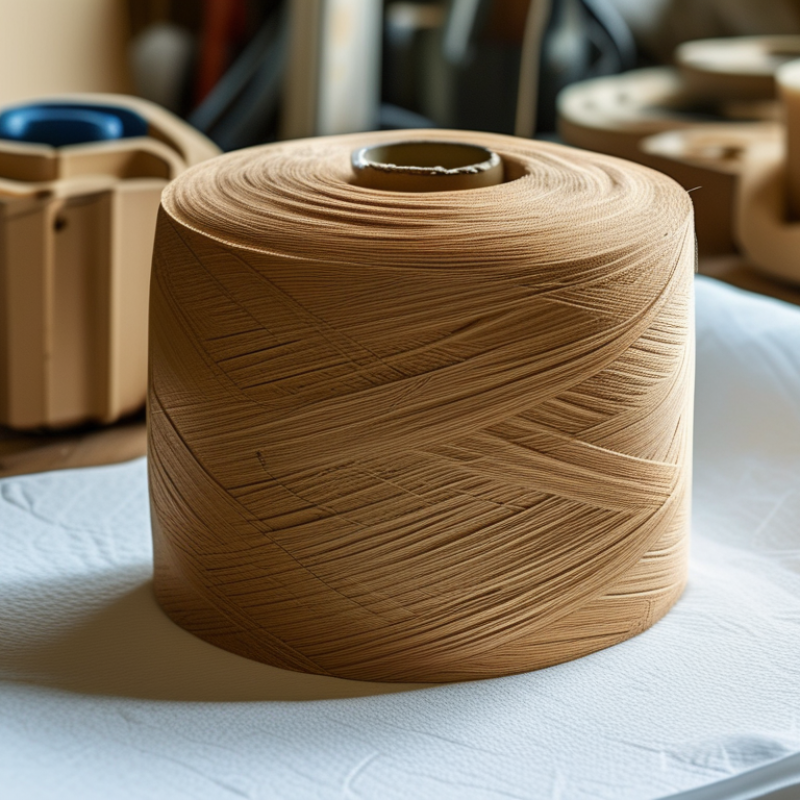
Understanding Cross Lapped Spunlace Nonwoven Materials
Cross-lapped spunlace nonwoven materials are essential in various industries. These textiles provide unique benefits due to their manufacturing process. They are made by using high pressure water jets to entangle fibers, creating a fabric that is strong, durable, and versatile. According to a recent report from Smithers Pira, the global nonwoven fabric market is expected to reach $60.3 billion by 2027, indicating a growing demand for these materials.
Understanding the properties of cross-lapped spunlace nonwoven is crucial. They offer superior softness and absorbency, making them ideal for personal care products, medical supplies, and industrial applications. The use of these materials is projected to grow by 5.3% annually, driven primarily by advancements in technology and increased awareness of sustainability. However, selecting the right type can be challenging, as not all spunlace nonwovens have the same qualities.
Industry professionals must evaluate factors like fiber composition, weight, and intended application. Not all products perform optimally, and quality can vary greatly among manufacturers. This complexity highlights the importance of conducting thorough research and possibly even testing samples. Making informed decisions can lead to better product performance and customer satisfaction. Understanding these nuances in the cross-lapped spunlace nonwoven landscape aids in choosing the best materials for specific requirements.
Key Characteristics of High-Quality Cross Lapped Spunlace Nonwoven
When selecting a high-quality cross lapped spunlace nonwoven, certain key characteristics are essential. Look for a fabric that offers strength and durability. This allows it to endure various applications without tearing easily. The weight of the material also matters. Heavier fabrics often provide better performance in demanding environments.
Moreover, consider the texture and appearance of the nonwoven. A soft and smooth texture can enhance user comfort, especially for personal care products. The fiber composition is equally critical. Natural fibers can offer breathability, while synthetic options may promise better moisture control.
Remember that not all high-quality options will meet every requirement. Balancing characteristics can be a challenge. For example, soft materials may sacrifice some durability. It’s essential to reflect on your specific needs and gather feedback from real users. Embracing these nuances can lead to informed decisions in this complex landscape.
How to Choose the Best Cross Lapped Spunlace Nonwoven?
| Characteristic | Description | Importance |
| Fabric Weight | Refers to the grams per square meter (GSM). Higher GSM indicates greater durability. | Essential for durability and application suitability. |
| Fiber Composition | Common fibers include polyester and viscose, affecting softness and absorption. | Determines the texture and performance of the nonwoven fabric. |
| Wet Strength | Ability to maintain integrity when wet. Important for wipes and hygiene products. | Critical for effective use in personal care and cleaning applications. |
| Breathability | The capacity for air and moisture vapor to pass through the fabric. | Important for comfort in wearable products. |
| Color Fastness | Resistance to fading or running of colors after washing. | Essential for aesthetic and functional longevity. |
| Chemical Resistance | Ability to withstand exposure to various chemicals without degrading. | Important for industrial applications and cleaning products. |
Evaluating Applications for Cross Lapped Spunlace Nonwoven Products
Cross lapped spunlace nonwoven materials are increasingly popular in various applications. Their unique structure offers versatility, making them suitable for industries such as medical, personal care, and home textiles. According to a report by Smithers Pira, the global nonwoven market is expected to reach $50 billion by 2025, highlighting the significant growth potential in this sector.
In medical applications, cross lapped spunlace nonwovens serve as effective barriers against fluids and microbes. Their absorbency and softness make them ideal for surgical drapes and wound dressings. The need for hygiene and safety in healthcare is paramount. A study by Grand View Research indicates a 7% annual growth in the healthcare segment of nonwoven products, emphasizing the demand for reliable materials.
Personal care products, such as wipes and cosmetic pads, benefit greatly from these nonwovens. Their durability and comfort enhance user experience. Nevertheless, challenges remain, particularly in sustainability. Recycling and environmental impact need addressing, as consumer awareness grows. Balancing performance with eco-friendliness is essential for future development in this area. This ongoing evolution reflects the industry's adaptability and responsiveness to market needs.
Sustainability Considerations in Choosing Spunlace Nonwoven Fabrics
When selecting spunlace nonwoven fabrics, sustainability is crucial. The production process can impact the environment. Understanding the materials used is essential. Choosing fibers sourced from renewable resources can significantly reduce your carbon footprint. Look for certifications that indicate eco-friendly practices. Transparency in sourcing shows a commitment to sustainability.
Recycling options are also important. Nonwoven products should be designed with end-of-life considerations in mind. Can they be recycled? Do they decompose naturally? Analyzing these factors helps in making responsible choices. Unfortunately, not all spunlace nonwoven products have clear recycling paths. This ambiguity can make decision-making challenging.
Consumer awareness plays a vital role. Educating yourself about sustainable practices in the industry can feel overwhelming at times. Still, it can lead to informed purchasing decisions. Evaluate both the social and environmental impacts of your choices. This scrutiny fosters responsible consumption, ultimately benefiting the planet.
Comparing Manufacturers: What to Look For in Quality Assurance
When choosing cross-lapped spunlace nonwoven fabrics, quality assurance is critical. Start by evaluating the manufacturer's certifications. Look for ISO standards that ensure consistency and reliability. These certifications can indicate a commitment to maintaining high quality throughout production.
Another important aspect is the manufacturing process. Understand the techniques used to create the nonwoven fabrics. Advanced processes often result in more durable and effective materials. For example, a manufacturer using advanced technology may produce fabrics that are softer or more absorbent.
Consider the feedback from previous customers. Reviews can shed light on the product’s actual performance. Look for common praises or complaints about the material's durability and usability. If multiple customers mention issues, reflect on whether that would impact your needs.
Quality assurance does not end at production. Assess the manufacturer's customer service as well. A company that is responsive to concerns and inquiries is often more reliable. They can provide support if problems arise with your purchase. Balancing these factors can help you find the right cross-lapped spunlace nonwoven for your project.

