2026 How to Choose the Best Anti Riot Police Uniforms?
Choosing the best Anti Riot Police Uniform involves careful consideration of various factors. Law enforcement agencies require uniforms that ensure both protection and mobility. According to a report by the International Association of Chiefs of Police, more than 75% of police departments emphasize the importance of high-quality uniforms in riot control situations.
In recent years, reports indicate a rise in civil unrest in urban areas. This increases the demand for advanced Anti Riot Police Uniforms that can withstand extreme conditions. Key features such as reinforced materials and ergonomic designs are now essential. These uniforms must combine durability with comfort to enhance officers' performance.
Moreover, industry feedback highlights the need for continual improvement. Some uniforms may lack adequate breathability, which can lead to discomfort during long shifts. This underscores the importance of selecting uniforms that actively meet the evolving needs of law enforcement personnel in complex scenarios. Making informed choices can lead to better outcomes in maintaining public safety.
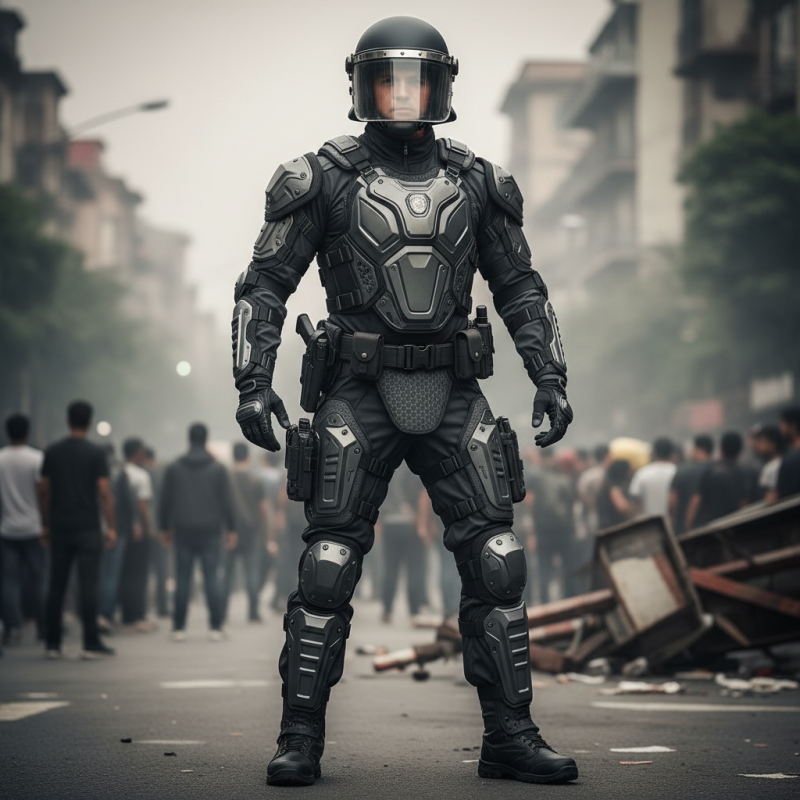
Understanding the Purpose of Anti-Riot Police Uniforms
In understanding the role of anti-riot police uniforms, it's essential to recognize their multifaceted purpose. These uniforms provide protection to officers in volatile situations. They also serve as a visual deterrent against potential violence, enhancing officer safety during civil disturbances. The right uniform can significantly influence public perception of law enforcement.
When choosing an anti-riot uniform, consider the materials used. Durable, lightweight fabrics are crucial. They should withstand wear and tear while allowing ease of movement. Additionally, incorporating high-visibility elements can help maintain order in chaotic environments.
Tips: Always prioritize functionality over fashion. The uniform needs to be practical. Look for features like reinforced seams and moisture-wicking properties. Also, assess the fit. An ill-fitting uniform can compromise safety. Regular evaluations and feedback from personnel can help refine choices. The uniform's design should not only protect but also empower officers to perform their duties effectively.
Key Features to Look for in Anti-Riot Police Uniforms
Choosing the best anti-riot police uniforms requires careful consideration. The right uniform should be durable, functional, and provide essential protection. Key features include materials that resist abrasions and tears. The uniform should also be lightweight to ensure agility during confrontations.
Comfort is another important factor. Uniforms must allow for a full range of motion. Breathable fabrics help maintain body temperature in various conditions. Additionally, uniforms should have reinforced seams for added strength. This can prevent them from failing under stress.
Tips: Look for reflective strips for visibility. They can enhance safety in low-light situations. Consider pockets and storage options. Adequate space for essential gear is vital. It’s crucial to ensure that uniforms fit properly. A poor fit can limit mobility and comfort during operations.
2026 How to Choose the Best Anti Riot Police Uniforms? - Key Features to Look for in Anti-Riot Police Uniforms
| Feature | Description | Importance Level |
| Material Quality | Durable fabrics like nylon and polyester that withstand wear and tear. | High |
| Comfort | Uniforms should allow freedom of movement and provide breathability. | Medium |
| Visibility | High-visibility colors and reflective strips to enhance safety. | High |
| Water Resistance | Fabric treated to repel water, essential for all-weather use. | Medium |
| Weight | Lightweight construction to reduce fatigue during extended use. | Medium |
| Flexibility | Design allowing for easy layering with protective gear. | High |
| Customization Options | Ability to add patches or insignia for unit identification. | Low |
| Cost | Price range that fits within budget while meeting quality standards. | Medium |
Materials Used in Designing Effective Anti-Riot Uniforms
Choosing the right materials for anti-riot uniforms is essential. Performance and durability are key factors. Fabrics should be strong yet lightweight. This combination allows for freedom of movement during high-stress situations.
Common materials include Kevlar and other synthetic fibers. These materials offer resistance to abrasions and cuts. They can also provide some level of ballistic protection. Breathability is another important feature. Officers need to stay cool and comfortable in challenging environments.
Uniforms often incorporate padding in high-impact areas. This adds an extra layer of protection without sacrificing mobility. However, achieving the right balance can be difficult. Too much padding can hinder movement, while too little may not be effective. Each decision should be carefully evaluated based on the specific needs of law enforcement.
Evaluating Comfort and Mobility in Riot Control Gear
Choosing the right anti-riot police uniforms requires careful consideration of comfort and mobility. Officers in riot situations must navigate complex environments. Their gear should allow free movement while providing essential protection. The integration of lightweight materials can enhance comfort, but durability must not be compromised.
Tips: Look for breathable fabrics to improve airflow. This reduces heat build-up during intense situations. Insufficient ventilation can lead to fatigue. Additionally, ensure that the fit allows for a full range of motion. Clothing that restricts movement can hinder response times and overall effectiveness.
Mobility also includes practical design elements. Pockets and adjustable straps can aid in carrying equipment. Officers should be able to reach essential tools quickly. A uniform lacking in thoughtful design could become a liability during critical moments. Test gear in various scenarios to evaluate its effectiveness. Adjustments based on experience can lead to better performance in the field.
Selecting Uniforms Based on Specific Operational Needs
Selecting the right anti-riot police uniforms is critical for operational success. Different scenarios demand specific features in uniforms. The materials should be durable and resistant to wear. They need to withstand extreme conditions. It's crucial to consider breathability for physical activity. Officers often face heat and movement challenges. Proper ventilation can prevent heat stress during high-intensity operations.
Fit and comfort are equally essential. Uniforms that restrict movement can impact an officer’s response time. Adjustable elements can enhance comfort and functionality. Pockets should be strategically placed for easy access to equipment. The uniform color and design should aid in visibility and quick identification. This not only helps in crowd control but also in maintaining order.
Reflecting on past experiences may highlight areas for improvement. Some uniforms, despite being protective, have been criticized for lack of flexibility. Officer feedback is invaluable in the selection process. Uniforms should also integrate safety features like padding or reflective strips, where necessary. Continual evaluation of operational needs will lead to better choices in uniform selection.

