Why Choose the Best Kitchen Faucet for Your Home?
When renovating or building a home, the Kitchen Faucet is often overlooked. However, it plays a vital role in our daily lives. A quality Kitchen Faucet can enhance functionality and style. It is essential to choose a faucet that meets your needs and complements your kitchen design.
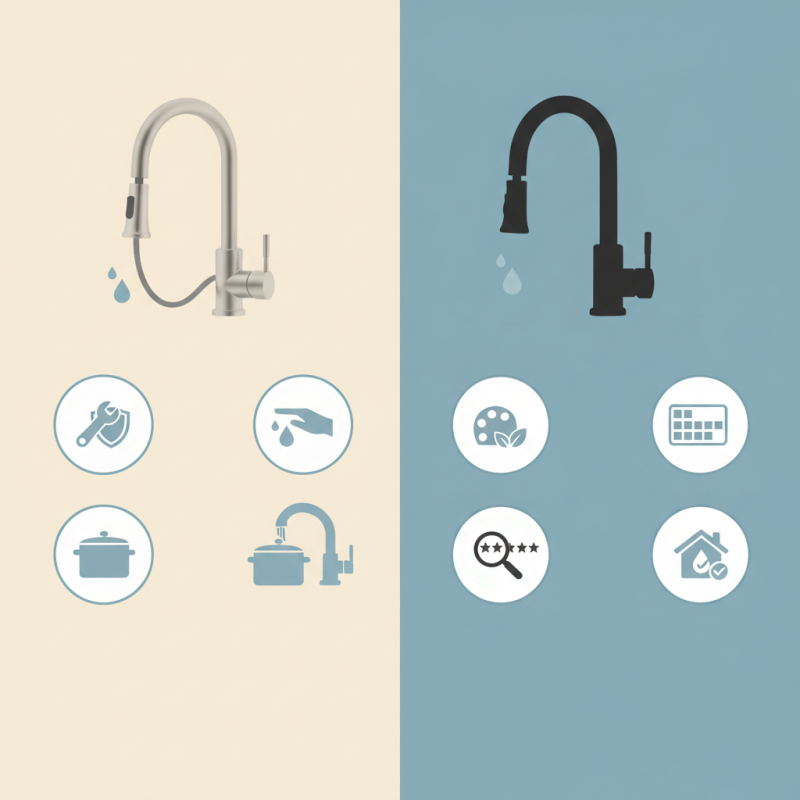
Selecting the right Kitchen Faucet requires careful consideration. Think about the features that matter to you, such as durability and ease of use. For instance, a high-arc spout can make filling large pots easy. On the other hand, a pull-down sprayer adds versatility for washing dishes.
Reflect on the faucet's finish and design as they impact your kitchen's overall aesthetic. A mismatched faucet can disrupt the harmony of your space. Investing time to research brands and reviews can lead to a wise choice. Ultimately, the best Kitchen Faucet should serve both practical and aesthetic purposes in your home.
Understanding the Impact of Kitchen Faucets on Home Efficiency
Choosing the right kitchen faucet can greatly enhance the efficiency of your home. A well-designed faucet uses water more effectively. This can lead to saving on water bills and reducing your environmental impact. Efficient faucets can help minimize water waste while providing the same functionality.
Many people overlook the faucet when remodeling a kitchen. This can lead to missed opportunities for improvement. A high-quality faucet can offer better flow rates, preventing kitchen tasks from taking too long. Consider how often you're washing dishes or preparing food. An effective faucet makes these chores faster and easier.
It’s not just about style. Functionality matters significantly in a busy kitchen. A poorly chosen faucet can create frustration. You may find yourself dealing with leaks or inconsistent water flow. These issues can disrupt daily activities and lead to costly repairs. Reflecting on your kitchen habits can guide you to make a wiser choice.
Evaluating Water Usage: The Role of Faucets in Conservation Efforts
Choosing the right kitchen faucet is more than just aesthetics. It plays a crucial role in water conservation efforts. Each time you wash your hands or rinse vegetables, you use water. Many faucets waste more than necessary. A faucet's flow rate can greatly impact your daily water usage.
Modern faucets often come with aerators. These devices reduce water flow while maintaining pressure. They can cut water use by up to 50%. Yet, not all faucets have them. You might need to check the specifications. Sometimes, people overlook this detail when making a choice.
Think about your habits. Do you leave the water running while scrubbing dishes? This adds up quickly. A high-efficiency faucet encourages mindful use. It promotes conscious water usage, leading to significant savings over time. Selecting a kitchen faucet with conservation in mind can lead to positive changes in your home.
Comparing Faucet Materials: Durability and Maintenance Considerations
Choosing the right kitchen faucet involves understanding the materials used. Each material brings its own benefits and drawbacks. Stainless steel is a popular choice due to its resistance to rust and stains. It's easy to clean but can show fingerprints and water spots. Frequent wiping is required to maintain its shine.
Conversely, brass faucets offer excellent durability. They resist corrosion and can last for years. However, they may require more maintenance to prevent tarnishing. Regular polishing might be necessary to keep them looking their best.
Lastly, plastic faucets provide a budget-friendly option. They are lightweight and easy to install. However, their durability can be a concern. With time, they may crack or fade. Homeowners should weigh these factors when choosing a faucet material, considering both longevity and maintenance needs. Understanding these elements helps ensure a more satisfactory purchase decision.
Choosing the Right Features: How Technology Enhances Usability
Selecting the right kitchen faucet can significantly enhance usability in your home. Advanced features can make everyday tasks easier and more efficient. Recent reports indicate that over 70% of homeowners prioritize functionality when choosing kitchen fixtures. Touchless technology, for example, allows users to operate the faucet with a simple wave of the hand, reducing the spread of germs. This feature can be particularly advantageous in busy kitchens.
Additionally, sensors that detect motion can adjust water flow automatically, saving both water and energy. According to the Environmental Protection Agency, fixtures equipped with such technology can save families up to 20 gallons of water daily. However, not all touchless models perform equally. Some may have slow response times or battery-related issues, which can lead to frustration.
Moreover, adjustable spray patterns can enhance food prep and cleaning tasks. Faucet designs that include aerators and pull-down sprayers are increasingly popular. They promote better ergonomics and reduce kitchen messes. Yet, it's important to consider installation complexities. Not all homeowners are prepared for a DIY installation, and hiring a professional can add extra costs. Balancing technology features with practical usability is essential for an optimal kitchen experience.
Aesthetic Considerations: The Influence of Faucet Design on Kitchen Style
When considering kitchen aesthetics, faucet design plays a pivotal role. A report from the American Kitchen and Bath Association (AKBA) reveals that 70% of homeowners prioritize appearance when selecting kitchen fixtures. An elegant faucet enhances overall style, bridging functionality and design seamlessly. Choosing the right finish—whether matte black, polished chrome, or brushed nickel—can elevate the visual appeal of your kitchen.
Details matter in faucet design. For instance, high-arc spouts provide not only a striking silhouette but also better functionality for large pots. Meanwhile, dual-function features can simplify cooking tasks. However, inconsistent design themes can create visual clutter. It's crucial to ensure the faucet complements existing kitchen elements, from cabinet styles to countertop materials. A poorly matched faucet can detract from the harmony of the space.
Current trends indicate that minimalist designs are gaining popularity. However, some homeowners may overlook their practicality in everyday use. While sleek lines and geometric shapes offer a modern look, they may not suit every functional need. Balancing aesthetics with usability is essential. A faucet that looks great but lacks ergonomic features may not serve effectively in a bustling kitchen.