Why Choose Din-Rail Industrial Switch for Your Business Needs?
In the fast-evolving landscape of industrial connectivity, the choice of equipment can significantly impact operational efficiency. According to Dr. Emily Carter, a leading expert in industrial networking solutions, "Choosing the right technology, like the Din-Rail Industrial Switch, can streamline processes and enhance reliability." This perspective encapsulates the critical role these devices play in modern industrial settings.
The Din-Rail Industrial Switch is designed for tough environments. It functions flawlessly even in extreme temperatures. This resilience is essential for businesses that rely on consistent network performance. However, not all switches are created equal. Some may not meet all industry standards, leading to potential failures. It's crucial to assess the specific needs of your operations.
Investing in Din-Rail Industrial Switches can lead to reliability and longevity in your network systems. But, businesses must remain vigilant. Maintenance is vital to ensure these switches perform optimally over time. The right choice today can safeguard seamless communication tomorrow.
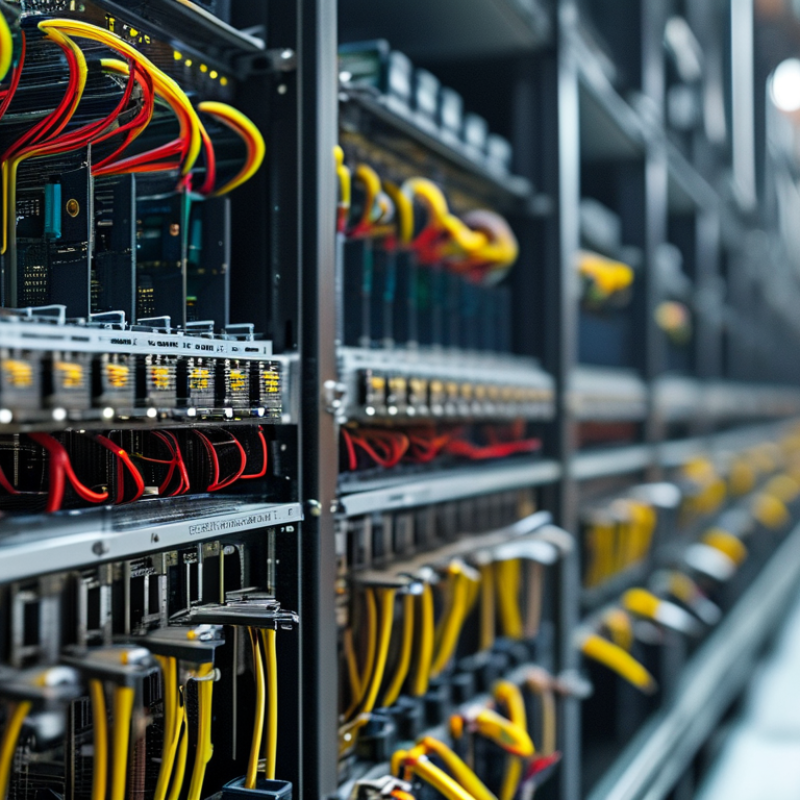
Benefits of Din-Rail Industrial Switches for Business Operations
Din-rail industrial switches are essential for modern businesses aiming to enhance productivity and reliability. These switches are designed for easy installation. They mount directly onto a standard DIN rail, which is common in industrial settings. This design saves space and simplifies cable management. A report by MarketsandMarkets indicates that the industrial switch market is expected to grow significantly, driven by the increasing need for reliable networking solutions in factories and control systems.
One of the notable benefits of using din-rail industrial switches is their resilience. They can withstand harsh environments. This includes extreme temperatures, dust, and vibrations. According to a study, around 60% of industrial processes report system failures due to network instability. By implementing robust switches, businesses can reduce downtime. The ability to operate continuously is crucial for maintaining overall efficiency.
Additionally, these switches offer advanced features like Power over Ethernet (PoE). PoE enables the transmission of power and data through a single cable. This feature simplifies installations and reduces costs associated with extra cabling. However, it is essential to note that not all PoE solutions are equal. Some may not support the data bandwidth required for high-performance applications. It's crucial for businesses to evaluate their needs accordingly.
Key Features of Din-Rail Industrial Switches to Consider
Din-rail industrial switches are vital for modern businesses that require reliable network solutions. One key feature to consider is their durability. These switches can operate in extreme temperatures, often ranging from -40°C to 75°C. According to a report by MarketsandMarkets, the global industrial switch market is expected to grow from $4.5 billion in 2020 to $10.1 billion by 2025, highlighting their increasing importance in various sectors.
Another significant feature is their compact design. Din-rail switches save space in control cabinets, allowing for better organization. With a typical size that accommodates tight installations, they fit into 35mm standard din rails. Additionally, network reliability is crucial. Many models offer redundancy features, facilitating uninterrupted service in critical applications. However, some users report challenges in configuration due to complex interfaces, which can hinder optimal performance.
Power management is also essential. Industrial switches often support Power over Ethernet (PoE), which simplifies wiring and reduces installation costs. This feature can support multiple devices like IP cameras and access points, streamlining operations. However, it is essential to ensure that the power budget does not exceed the switch's capacity. This often requires thorough planning and monitoring to avoid potential issues. Understanding these features helps businesses make informed decisions, tailoring solutions to their specific needs.
Comparing Din-Rail Industrial Switches to Traditional Networking Gear
Din-rail industrial switches offer distinct advantages over traditional networking gear. They are designed for harsh environments, where durability is paramount. A recent report highlighted that industrial settings face risks of dust, moisture, and extreme temperatures. Standard switches often falter under these conditions, leading to increased downtime. In contrast, din-rail switches have robust enclosures, making them resistant to these challenges.
When comparing performance, din-rail switches typically support higher data rates. Research indicates that they can handle up to 10 Gbps, significantly outperforming many traditional switches. The ability to manage increased traffic is critical for modern industrial applications, especially with the rise of IoT devices. However, deploying these advanced switches requires a solid understanding of system integration, which can be a learning curve for some businesses.
Yet, despite their benefits, some may question their scalability. As operations grow, the need for additional switches may arise. An effective strategy is essential to manage these expansions smoothly. Implementing din-rail solutions without a plan can lead to inefficiencies. Thus, careful consideration is necessary when transitioning from traditional setups to more advanced systems. Embracing these switches can drive efficiency, but it requires thoughtful implementation to avoid potential pitfalls.
Comparison of Din-Rail Industrial Switches and Traditional Networking Gear
Applications of Din-Rail Industrial Switches in Various Industries
Din-Rail industrial switches are essential in various sectors. These devices provide reliable network connections in challenging environments. Industries like manufacturing, transport, and energy often rely on them for seamless operations.
In the manufacturing sector, Din-Rail switches support automation systems. They connect sensors, machines, and control systems, ensuring data flows efficiently. However, some facilities face challenges in deployment. Proper planning and installation are vital for optimal performance. Even small mistakes can disrupt operations.
In transportation, these switches enhance communication systems. They connect signaling, ticketing, and control systems in real-time. Maintaining these connections is crucial, yet environmental factors can affect performance. Industrial-grade switches are designed to withstand these conditions, but regular assessments are necessary to identify potential weaknesses in the system.
Installation and Maintenance Tips for Din-Rail Industrial Switches
When choosing a DIN-rail industrial switch, proper installation and maintenance are crucial for optimal performance. DIN-rail switches are designed for efficiency, but they require careful handling. Start by ensuring a clean installation space. Dust and debris can interfere with connections. Use tools that are appropriate for the job to avoid damaging the switch.
Consider the cable lengths and types you use. Keeping cables organized reduces clutter and potential signal interference. Tighten all connections firmly, but do not overtighten, as this can lead to damage. It's essential to regularly inspect connections for wear and tear. This proactive approach can prevent unexpected downtime and costly repairs.
Maintenance plays a vital role in ensuring longevity. Schedule regular check-ups. Monitor the operating environment; excessive heat can be detrimental. Cleaning dust from the switch can enhance performance and prevent overheating. Always refer to guidelines for maintenance frequency. You want your system to operate efficiently, but remember, nothing is perfect. Acknowledging potential issues allows for better planning and swift action.
Why Choose Din-Rail Industrial Switch for Your Business Needs? - Installation and Maintenance Tips for Din-Rail Industrial Switches
| Feature | Description | Benefit |
| Compact Design | Fits on standard DIN rail for easy installation. | Saves space in control cabinets, allowing for more efficient layouts. |
| High Reliability | Built to withstand harsh industrial environments. | Reduces downtime and increases system robustness. |
| Easy Maintenance | Designed for quick access and replacements without tools. | Minimizes maintenance time and labor costs. |
| Wide Operating Temperature Range | Functional from -40°C to 75°C. | Ensures performance in extreme environments. |
| Multiple Port Options | Variety of Ethernet and fiber optic ports available. | Flexibility to connect various devices in a network. |
| Quality Standards Compliance | Meets various industrial standards and certifications. | Assures safety and performance expectations. |

