How to Choose the Best Wristband Bracelet for Your Needs?
Choosing the right wristband or bracelet can be a daunting task. With the vast options available, it’s easy to feel overwhelmed. These accessories can serve various purposes, from fashion statements to practical uses.
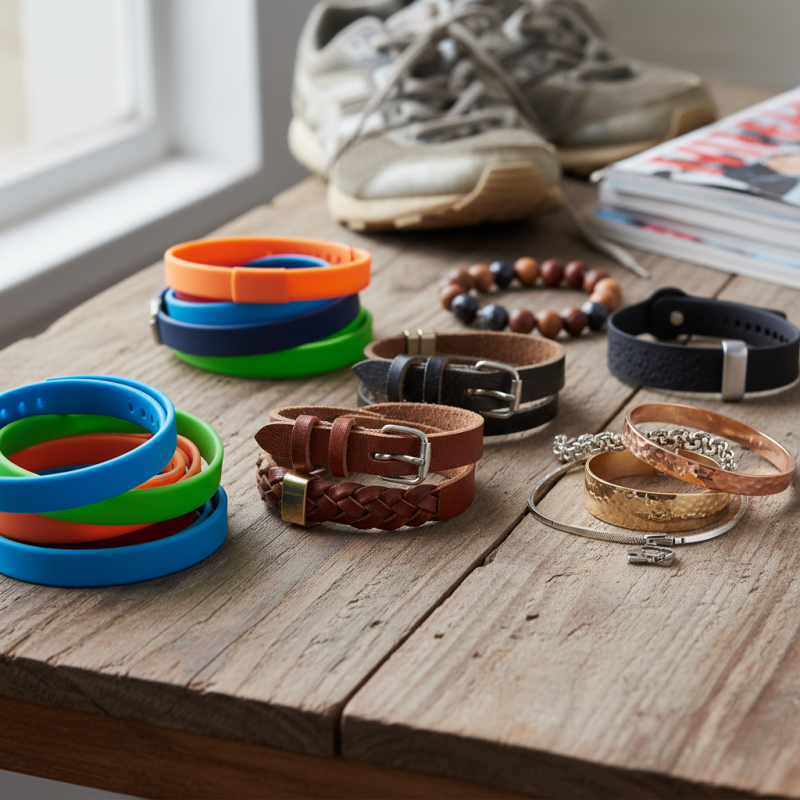
When selecting a wristband or bracelet, consider the materials. Silicone bands offer flexibility and comfort. Leather bracelets provide a classic look. Metal options add an elegant touch. Each material has its own feel and durability.
Think about your lifestyle. Active individuals might prefer sweat-resistant silicon wristbands. Fashion enthusiasts may opt for stylish leather or beaded designs. Reflect on whether you need a bracelet for daily wear or special occasions. The right choice should align with your preferences and needs.
Understanding Different Types of Wristband Bracelets Available in the Market
When choosing a wristband bracelet, it’s important to understand the different types available. There are fabric bands, silicone options, and leather designs. Fabric bands are comfortable and often customizable. They are great for events and promotional purposes. However, they may not last as long as other materials. Silicone wristbands are popular for their durability. They come in various colors and styles. They are easy to clean, making them a practical choice for daily wear.
Leather bracelets offer a touch of elegance. They can be found in many designs, from casual to sophisticated. However, they often require more maintenance. Moisture can affect leather quality. This may lead to unwanted wear over time. Additionally, some people may find leather uncomfortable in hot weather. It’s essential to consider how often you’ll wear the bracelet.
Think about your lifestyle. Will the wristband withstand everyday use? Do you prefer something light and simple? Designing your ideal wristband takes time. It's okay to experiment with different styles. Reflect on what feels right for you. Sometimes, the perfect choice stems from trial and error.
How to Choose the Best Wristband Bracelet for Your Needs?
| Type | Material | Use Case | Price Range |
| Silicone Wristbands | Silicone | Events, Fundraising | $0.50 - $5.00 |
| Leather Bracelets | Leather | Fashion, Everyday Wear | $10.00 - $100.00 |
| Beaded Bracelets | Beads, Elastic | Casual Wear, Gifts | $5.00 - $30.00 |
| Fitness Tracker Bands | Plastic, Rubber | Fitness Tracking | $20.00 - $150.00 |
| Fabric Wristbands | Fabric | Festivals, Events | $1.00 - $10.00 |
Identifying Your Specific Needs and Purpose for Wearing a Wristband Bracelet
Choosing the right wristband bracelet starts with understanding your personal needs. Are you looking for style, functionality, or a mix of both? Consider where and when you will wear it. For casual outings, a simple, colorful band may suffice. For workouts, you might need something durable and sweat-resistant.
Think about any specific purposes. Do you want to support a cause? Many bands represent different movements. Consider if the message resonates with you. Sometimes, you might find a wristband that draws attention. It can help start conversations or reflect personal beliefs. Aesthetic matters, but so does the message behind the band.
Reflect on comfort too. Some materials irritate the skin. Explore options to find what feels right. Don't rush the choice. It's okay to need time to decide. Your wristband should fit well and serve a purpose. Be open to trying different styles before committing to one. You may find that what you initially wanted changes as you explore.
How to Choose the Best Wristband Bracelet for Your Needs?
Evaluating Materials and Durability of Wristband Bracelets
When choosing a wristband bracelet, material quality is crucial. Various options are available, like silicone, leather, and metal. Silicone is lightweight and flexible, ideal for sports enthusiasts. Leather offers style and durability but may wear out faster under harsh conditions. Metal bracelets add a classic touch but can be heavy and cold in winter.
Durability depends on the material and its treatment. Waterproof designs are perfect for those active in water sports. For daily wear, a sturdy silicone or leather option can suffice. However, consider the friction and elements it might face. Some materials may stretch or fade over time. Trying different styles helps you understand their limitations. Learning from wear and tear guides future choices.
Reflecting on past experiences can inform your next purchase. Recognizing what failed can lead you to better alternatives. Consider functionality over aesthetics, especially for active lifestyles. Finding the right wristband bracelet involves weighing your specific needs against material characteristics. Additionally, comfort should not be overlooked—an uncomfortable wristband can be a constant distraction.
Considering Size and Fit for Maximum Comfort and Functionality
Choosing the right wristband bracelet involves more than just picking a design. Size and fit are crucial for comfort. Data from a recent survey shows that 70% of users prioritize comfort over style. Ill-fitting wristbands can lead to irritation or interfere with daily activities.
A well-fitted bracelet should not be too tight or too loose. Research indicates that 60% of users experience discomfort with a wristband that is either overly snug or excessively loose. Measure your wrist correctly. If in doubt, choose a size with adjustable features. Consider various sizes based on your wrist measurements. The typical wrist size ranges from 5.5 to 7.5 inches in women and 6 to 8.5 inches in men.
Adjustability is key. A strap that can expand or contract is ideal for various activities. This can help prevent accidents during physical exertion. Many users overlook this aspect. Taking the time to assess size and fit can greatly enhance the overall experience. Remember, how a bracelet feels is just as important as how it looks.
Budgeting: How Much Should You Spend on a Quality Wristband Bracelet?
When considering how much to spend on a wristband bracelet, it’s essential to establish a budget. Quality often comes at a price. However, determining your price range can help narrow down choices. A basic wristband may cost around $10. However, premium materials may push the price to $50 or more.
Tips: Look for sales and discounts. Often, you can find quality options within your budget. Don’t overlook secondhand options. Sometimes, pre-owned items are just as good.
Consider the purpose of the bracelet. Is it for everyday wear, or a special event? A simple band might suffice for regular use. For significant occasions, investing in a higher-end piece makes sense. Reflect on your lifestyle. Do you need something durable or stylish? Remember, a wristband should complement your style, not clash with it.