China Top 10 Training Pads Manufacturers for Global Buyers
Training Pads may look simple, but their performance depends on details buyers can easily overlook: the absorbent core, waterproof backing, sealed edges, and consistency from batch to batch. For global buyers, comparing China-based manufacturers means looking beyond the unit price. Product specifications, sample quality, production capacity, packaging options, and communication all affect whether an order meets real-world needs.
Manufacturing-quality expert W. Edwards Deming wrote, “Quality comes not from inspection, but from improvement of the production process.” That principle matters here. A pad that absorbs well in one sample may perform differently in a full production run, so buyers should request current specifications and test samples under consistent conditions. Check dimensions, liquid retention, surface dryness, leak resistance, and packaging before committing to volume. Small differences matter.
This guide introduces ten China-based Training Pads manufacturers for international buyers. It considers product range, customization, manufacturing capabilities, and export support, while recognizing that supplier information and capabilities can change. The list is a starting point, not a substitute for independent checks. A low quote can still be expensive. Ask clear questions, compare like with like, and confirm important claims in writing. Some details may remain uncertain until a sample is tested; that is worth saying plainly. The strongest sourcing choice is not always the largest factory or the cheapest offer, but the supplier whose documented performance fits the buyer’s needs.
Understanding Training Pads and Their Global Market
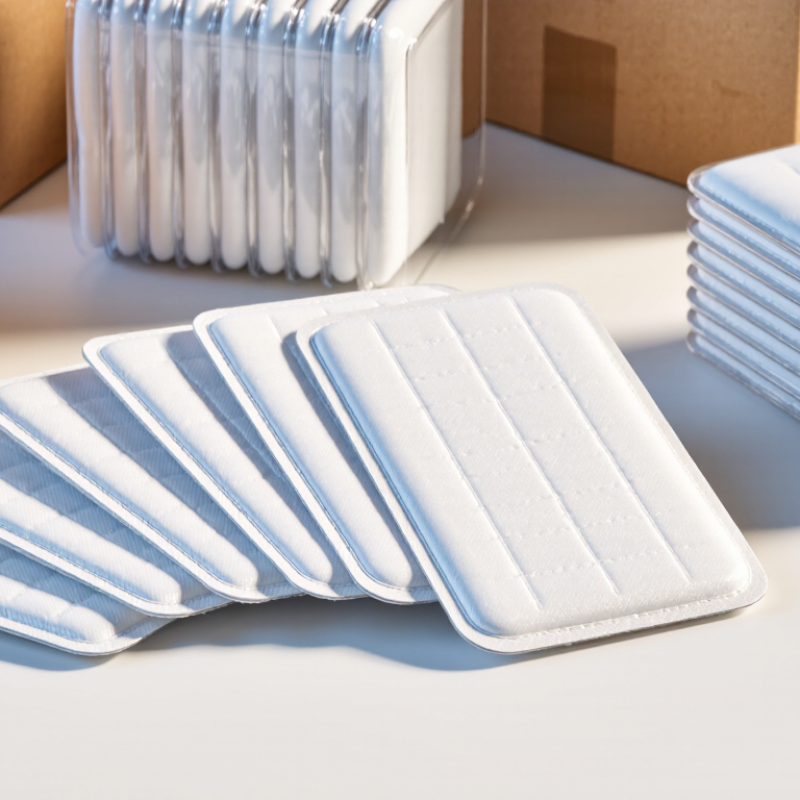
Training pads are absorbent sheets designed to protect floors during pet care and house-training. Many use a soft nonwoven top layer, an absorbent core, and a leak-resistant backing. Some include adhesive tabs to limit sliding on tile. Small details matter. Buyers compare pad size, absorption speed, odor control, and packaging, because household routines differ across regions.
The global market reflects apartment living, pet ownership, travel, and demand for convenient indoor care. For manufacturers, consistent quality can matter more than a long feature list. Buyers can request material specifications and test samples with measured liquid volumes, checking for pooling, leakage, and wet surfaces. Not always easy. Results should be compared across batches, not just from one sample, since production variation can affect daily use.
Price and performance involve trade-offs. Thicker cores may absorb more, but can increase shipping weight and storage needs. Disposable pads are convenient; washable alternatives may suit some households, though washing takes time and resources. No pad replaces a steady training routine. This point is easy to overlook. Product claims also deserve careful review, especially when they promise unusually strong odor control or leak protection.
Training Pad Sizes: Nominal Surface Area
A comparison of representative disposable pet training pad formats. Bar values show nominal surface area in square inches, calculated from the listed dimensions; actual product dimensions may vary.
Criteria for Evaluating Chinese Training Pad Manufacturers
When comparing Chinese training pad manufacturers, look beyond quoted price. Ask for measured absorbency, rewet, leakage, and odor-control results, with test methods and sample conditions clearly stated. A thick pad is not automatically a better pad. Check whether each production lot is inspected and whether material batches can be traced. Request recent test records, not only a polished sample.
Capacity and consistency matter. Ask how the factory handles peak orders, rejects, and changes in pulp or film suppliers. The American Pet Products Association reported U.S. pet-industry spending of $147 billion in 2023 in its 2024 industry report. That figure is not specific to training pads, but it reflects a large and quality-conscious market. Factory audits, clear specifications, and repeat-order samples help buyers judge whether a supplier can meet that market’s expectations. Still, one audit cannot predict every production issue.
Tips: Send the same test brief to each candidate. Compare pad weight, liquid hold, rewet, and sealed-package condition. Request a small pilot order before scaling up. Check export paperwork and response times, too; an impressive brochure can hide slow communication.
Overview of China’s Top 10 Training Pad Manufacturers
China’s training-pad manufacturers supply products for pet care, household use, and institutional settings. An overview of ten leading suppliers should look beyond catalog photos. It should compare production experience, material choices, customization, and quality-control practices. “Top ten” is best treated as a buyer’s shortlist, not a fixed ranking; capabilities can change over time.
Common products use a soft nonwoven surface, an absorbent pulp or polymer core, and a moisture-resistant backing. Buyers can request samples and check how quickly liquid spreads, whether edges leak, and how securely the layers are sealed. Ask for clear specifications on pad size, absorbency, packaging, and production tolerances. Small details matter. A pad that shifts on a smooth floor may disappoint, even if its laboratory results look strong.
Factory visits or documented production checks can help confirm that stated processes match actual operations. Buyers should also review sample consistency across batches and agree on inspection criteria before placing larger orders. Price alone tells an incomplete story. Lead times, communication, and packaging reliability deserve attention too. No factory is perfect. Even a careful comparison may miss problems that appear only after repeated use, so keep evaluating real-world performance and adjust purchasing requirements when needed.
Product Range and Capabilities of the Featured Manufacturers
The manufacturers featured in a global sourcing review may offer more than one basic training pad. Common product ranges include compact pads for travel, larger formats for crates, and thicker options designed for heavier use. Buyers can compare absorbent core materials, leak-resistant backing, surface texture, and edge sealing. These details affect how quickly liquid spreads and whether a pad stays flat on tile or wood.
Manufacturing capabilities vary. Some suppliers can adjust dimensions, absorbent layers, packaging, and print designs for different sales channels. Others focus on standard sizes and steady production runs. Ask for samples from multiple batches, not just a polished display sample. Check dimensions, seam quality, odor, and performance after the pad has absorbed liquid. Small differences matter. A thicker pad is not automatically a better fit; it may cost more and take longer to dry or dispose of. Product specifications also deserve careful review, since terms such as “high absorbency” can lack a clear test basis.
Tips: Request measurable absorption data and confirm the test method. Compare packaging details, carton dimensions, and sample results before placing a large order. Keep one sample for later checks. Even experienced buyers can miss changes between batches.
Key Considerations for Global Buyers When Sourcing Training Pads
When sourcing training pads, compare performance rather than relying on product photos. Ask for samples in the exact size and construction you plan to order. Pour a measured amount of water onto each pad, then check how quickly the surface dries and whether liquid reaches the edges. Test it on tile and carpet. Small differences matter.
Review the core specifications: absorbent-layer weight, backing material, pad dimensions, sealing quality, and packaging. Ask manufacturers how they inspect production batches and handle defects. Request recent test records where available, and clarify what each test measures. A simple batch report is useful. It is not a guarantee, though, so keep your own sample checks.
Confirm minimum order quantities, production lead times, shipping terms, and carton dimensions before approving a purchase. Packaging affects storage space and freight costs. Check that product labels and documents suit your destination market, and have local requirements reviewed by a qualified adviser. Discuss changes in writing, especially when replacing materials or adjusting absorbency. Samples cannot predict every home or pet. That uncertainty is easy to underestimate. A small trial order may reveal handling or leakage issues before a larger commitment.

