China Top Aluminum Louver Windows Manufacturer?
Choosing the China Top Aluminum Louver Windows Manufacturer requires more than comparing factory prices. Performance depends on airflow design, coating quality, blade strength, drainage, and installation control. A louver window should open smoothly, close tightly, and survive repeated exposure to rain, dust, and coastal air.
The U.S. Department of Energy reports that windows can account for 25% to 30% of residential heating and cooling energy use. This makes shading and ventilation important design decisions. The International Energy Agency also links efficient building envelopes with lower operational energy demand. Aluminum Louver Windows can support that goal when their blades provide controlled airflow without creating unnecessary solar heat gain.
The market is expanding.
Grand View Research identifies growing demand for aluminum windows because of durability, recyclability, and modern architectural appeal. Yet market growth does not guarantee reliable products. That is where supplier evaluation becomes practical. Look for alloy certificates, powder-coating test records, water-penetration results, wind-load calculations, and documented quality inspections.
Building-science expert Joseph Lstiburek often states, “The building is a system.” His principle applies directly here. A window cannot perform independently from glass, walls, seals, shading, and local climate conditions.
A credible Chinese manufacturer should explain those connections clearly. It should also provide project references, sample testing, and realistic lead times. Some product claims sound impressive but remain poorly measured. That weakness deserves attention.
The best selection balances engineering evidence, manufacturing experience, customization ability, and after-sales support. Price matters, but replacement costs matter more. This guide examines the capabilities, certifications, production details, and project performance behind China’s leading Aluminum Louver Windows manufacturers.
Aluminum Louver Windows: Definition and Main Features
China Top Aluminum Louver Windows Manufacturer?
Aluminum Louver Windows: Definition and Main Features
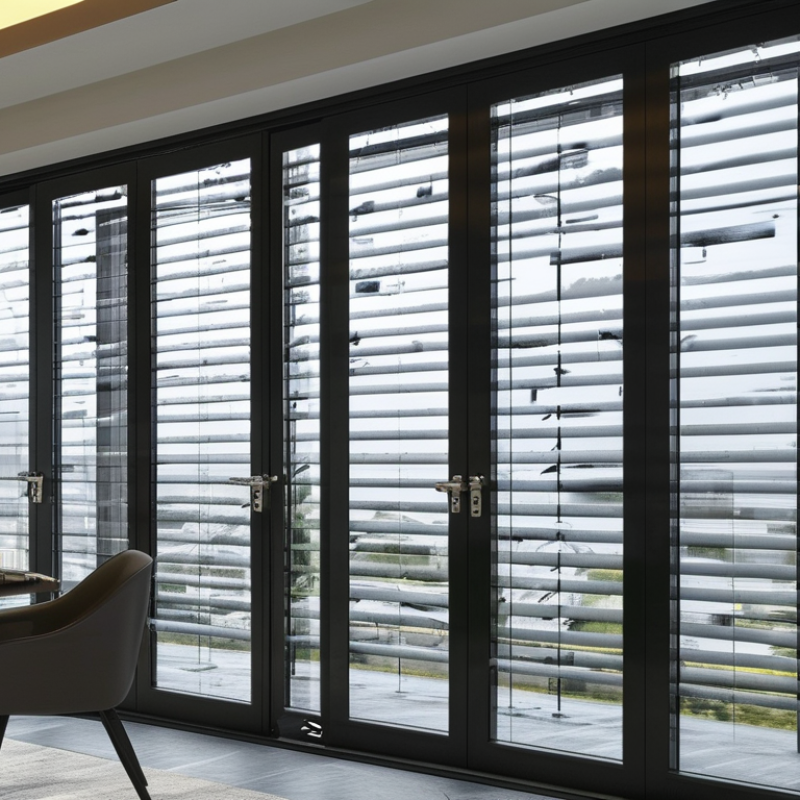
Aluminum louver windows use angled horizontal blades to control airflow, daylight, and privacy. The blades may be fixed or adjustable, depending on the window design. Unlike fixed glazing, louvers allow air to move through a room without opening a large sash. This makes them useful in kitchens, bathrooms, workshops, stairwells, and warm climates.
Their aluminum frames resist rust, insects, and frequent cleaning. Powder-coated or anodized surfaces can support long-term outdoor use, though surface quality still depends on preparation and coating control. Adjustable blades offer more flexibility. Users can direct air upward, reduce glare, or block direct rain. Some systems include insect screens, locking handles, and weather seals for better daily performance.
Good louver windows require careful blade spacing and frame alignment. Poor alignment may create noise, water entry, or difficult operation. This detail is often underestimated. During specification, check blade thickness, drainage paths, hardware strength, and test results for air and water resistance. A practical design should also match the local wind conditions and cleaning habits. Louvers improve ventilation, but they do not provide the same airtightness as fully sealed windows. That limitation matters. A reliable manufacturer should explain both the strengths and the compromises, provide clear technical drawings, and maintain consistent inspection records before shipment.
Key Manufacturing Standards for Aluminum Louver Windows in China
China Top Aluminum Louver Windows Manufacturer?
Key Manufacturing Standards for Aluminum Louver Windows in China
Reliable aluminum louver windows begin with controlled material selection. Manufacturers should verify alloy grades, profile thickness, and extrusion tolerances. Common projects use aluminum profiles that meet applicable GB/T 5237 requirements. Surface treatments also need documented control. Powder coating, anodizing, and color consistency should be checked across every production batch.
Performance testing must match the destination market. Air leakage, water resistance, and wind-load tests can follow EN or ASTM methods. Test reports should identify the exact window size and configuration. Otherwise, results may look impressive but prove little. Factory inspections should review welding, corner joints, blade alignment, and drainage paths. Small gaps often create serious problems during heavy rain.
Hardware quality deserves equal attention. Operators should work smoothly after repeated opening cycles. Fasteners need suitable corrosion resistance, especially near coastal areas. Safety features should prevent loose blades and uncontrolled movement. A practical supplier also provides inspection records, material certificates, and traceable samples. No standard removes every risk. Some specifications still overlook installation conditions, which can affect final performance. Clear drawings and site feedback are essential.
Key Chinese Standards for Aluminum Louver Windows
The chart shows the publication year of selected Chinese standards commonly referenced for aluminum window design, performance testing, structural loading, and construction-quality acceptance. Manufacturers should verify the latest editions and applicable project requirements before production.
How to Evaluate a Top Chinese Aluminum Louver Window Manufacturer
China Top Aluminum Louver Windows Manufacturer?
Choosing a top Chinese aluminum louver window manufacturer requires more than comparing quotations. Start with factory experience, engineering capability, and documented quality controls. Ask how long the company has produced louver systems, not merely aluminum profiles. Request drawings, alloy grades, coating specifications, and hardware details. A capable technical team should explain blade angles, drainage paths, and installation tolerances clearly.
Order a production sample before approving large quantities. Inspect blade movement, frame joints, seals, and surface consistency under strong light. Check whether the louver opens smoothly after repeated operation. It should not scrape or wobble. Request test reports for air leakage, water resistance, wind pressure, and coating adhesion. Confirm that reports match the proposed product, dimensions, and materials. Paperwork alone is weak evidence. An independent inspection can reveal uneven anodizing, thin coatings, or poorly packed corners.
Visit the factory when possible, or arrange a live video audit. Observe incoming material checks, cutting accuracy, assembly stations, and final inspections. Ask for batch records and corrective-action reports. Honest manufacturers will discuss past defects and explain how they were fixed. No factory is perfect. A polished showroom can still hide inconsistent production. I have seen excellent samples followed by weaker mass-production units. Therefore, approve a pilot batch and define measurable acceptance criteria. Reliable communication also matters. Confirm response times, spare hardware, packaging methods, production schedules, and warranty responsibilities in writing. A top manufacturer earns trust through repeatable evidence, not attractive promises.
Customization, Materials, and Performance Options
China Top Aluminum Louver Windows Manufacturer?
A reliable manufacturer begins with the opening, not a catalog photograph. Custom louver windows should match wall thickness, ventilation needs, and local weather. We measure the finished opening carefully. Small errors can create uneven blades and air leakage. That lesson came from projects where drawings looked correct, but site conditions changed.
Aluminum alloy selection affects strength, weight, and surface life. Common architectural alloys offer a practical balance for residential and commercial use. Powder coating provides color choices and helps resist routine exposure. Anodized finishes create a different texture and may suit coastal designs when properly specified. Hardware also matters. Stainless steel pivots, sealed bearings, and durable handles support smoother operation. They cost more. Sometimes, they are worth it.
Performance choices should reflect the building’s real demands. Wider blades can improve airflow, while tighter spacing may provide better rain control. Insect screens, glazing, manual operators, and motorized systems can be customized. Wind pressure, water drainage, and cleaning access deserve written checks before production. No option is perfect. A highly sealed design may reduce airflow, while an open louver may admit driving rain. Sample testing remains useful, especially for unusual dimensions or harsh exposure.
Applications, Quality Control, and Export Services
China Top Aluminum Louver Windows Manufacturer?
Applications, Quality Control, and Export Services
Aluminum louver windows serve factories, schools, apartments, and utility rooms. They provide airflow while limiting direct sunlight and visual exposure. In coastal buildings, suitable aluminum alloys and protective coatings help resist humid, salty air. For workshops, adjustable blades can release heat from machinery areas. This practical balance makes louvers useful where fixed glass windows perform poorly.
Quality control should begin with approved drawings and material records. Inspectors can check alloy grade, profile thickness, blade alignment, and frame dimensions. Each sample should open smoothly without scraping or excessive resistance. Coating thickness also deserves attention, especially on outdoor installations. Water-spray and airflow tests reveal problems before shipment. Small defects matter.
No factory is flawless. A reliable manufacturer admits this and improves its process. Batch labels, inspection photos, and traceable test reports support honest communication with buyers. Export service should include shop drawings, color samples, protective film, reinforced cartons, and moisture-resistant packing. Clear measurements reduce installation errors. Accurate commercial invoices and packing lists help prevent customs delays. Container loading photos provide useful evidence. Remote inspections can add confidence, although they cannot replace every physical check. Experienced teams also advise on blade angles, hardware selection, and local climate conditions before production.

