What is the Best Type of Dog Toys for My Pet?
Finding the best type of dog toys for your pet is crucial for their health and happiness. According to the American Pet Products Association, the pet toy industry is growing rapidly, reaching over $1 billion in sales. Proper toys can stimulate your dog's mind and keep them active. Dr. Jane Goodwell, a pet behaviorist, said, “The right dog toys can transform a dog’s behavior positively.”
Different dogs have different needs. Some may prefer chew toys, while others love squeaky ones or interactive puzzles. Understanding your dog's chewing habits, size, and energy level is vital. Many pet owners overlook the importance of durable materials. Low-quality toys can break easily, posing choking hazards.
Not all dog toys are created equal, and many don’t meet safety standards. High-quality toys tend to last longer. However, even the best toys may wear out over time. Always inspect toys for damage regularly. Reflecting on your dog’s interactions with their toys can provide insights into their preferences, ultimately enhancing their playtime experience.
Types of Dog Toys Based on Their Purpose and Benefits
When selecting dog toys, consider their purpose and benefits. For instance, chew toys are great for dental health. Many dogs love to gnaw on something, so these toys help clean their teeth. They can also keep your pet engaged for hours. However, some dogs may chew too aggressively, damaging the toy too quickly. It's important to monitor this activity.
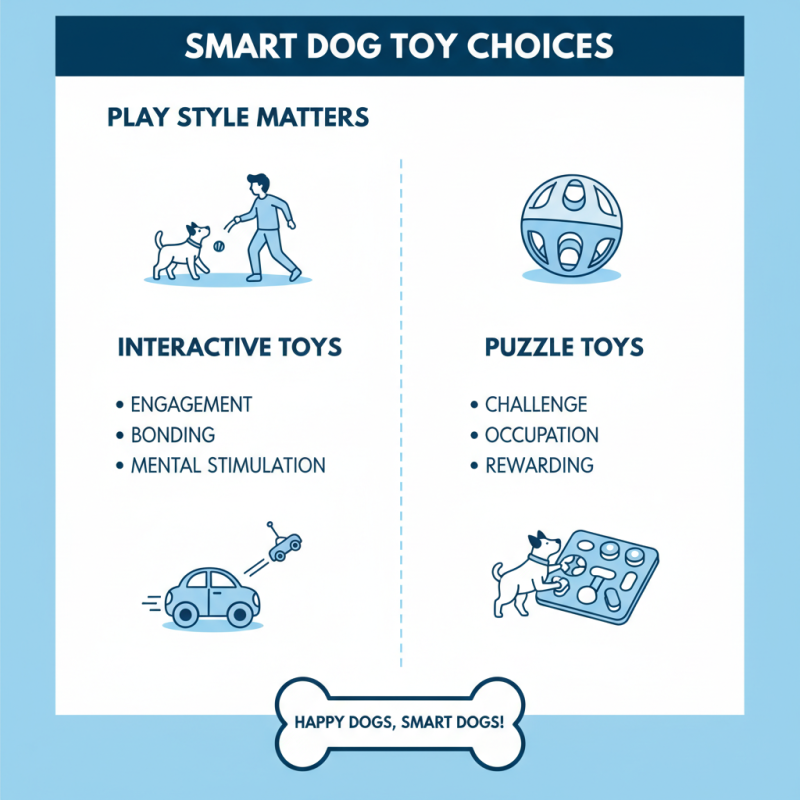
Interactive toys are another popular type. They can challenge your dog mentally and encourage problem-solving. Puzzle toys require dogs to figure out how to retrieve a treat inside. This can be incredibly stimulating, but some pets might get frustrated if they can’t solve the puzzle. You could find your pooch giving up and walking away, which is a sign to reassess the toy's difficulty level.
Finally, plush toys appeal to many dogs. They provide comfort and a sense of companionship. However, these toys can be less durable, especially for strong chewers. They can also lead to a mess if the dog tears them apart. Balancing durability with comfort is key. Ultimately, knowing your dog’s chewing habits will help you choose the right toy for fun and safety.
What is the Best Type of Dog Toys for My Pet?
Choosing the Right Size and Material for Dog Toys
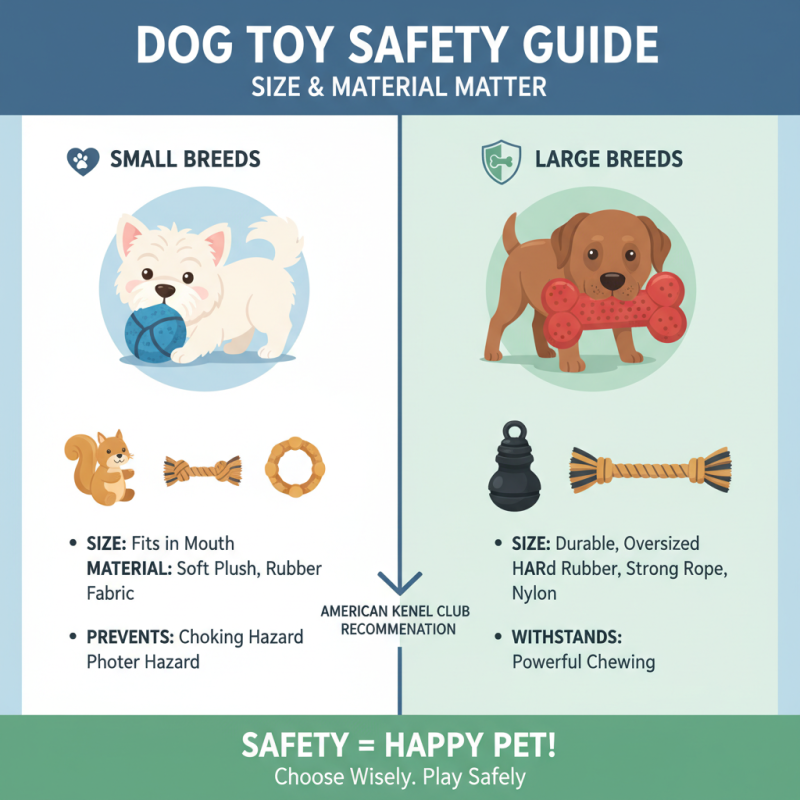
Choosing the right size and material for dog toys is crucial for your pet's safety and enjoyment. A report by the American Kennel Club highlights that toys should match your dog's size to prevent choking. For small breeds, choose toys that fit comfortably in their mouths. Larger breeds might prefer tougher toys that withstand their powerful jaws. Finding the right balance can be challenging, but it’s essential.
Material matters too. Many dogs prefer rubber or fabric toys. However, some materials can break down quickly, posing a risk. The Veterinary Oral Health Council warns that toys made from cheap plastics can splinter, harming your dog's teeth and gums. Opt for high-quality items, but remember that even durable toys can wear out over time. Regularly check for signs of damage.
Observing your dog's play habits can provide insight as well. Some dogs may chew fiercely, while others are more gentle. This behavior affects the toy's longevity. Toys that aren't engaging enough can lead to boredom. If your dog loses interest quickly, the toy may not be the right fit. Experiment to see what truly delights your pet. The journey to find the perfect toy is often filled with trial and error.
Safety Considerations When Selecting Dog Toys
When selecting dog toys, safety should be a top priority. Many pet owners overlook this aspect, leading to potential hazards. According to the American Pet Products Association, over 39% of pet owners reported their dogs have experienced toy-related injuries. Choking and ingestion of small parts are common risks. Toys that break easily or contain toxic materials can harm your furry friend. Always check that toys are specifically designed for dogs.
Tips: Look for large toys that are difficult to swallow. Opt for products made from non-toxic materials. Check for small parts that can come off easily. Regularly inspect your dog's toys for signs of wear and tear.
Weighted toys can also pose a risk. Heavy toys can lead to dental issues if your dog bites down too hard. The texture can affect your pet's gums. Choose toys that are durable yet gentle on teeth. Ensure they are appropriate for your dog's size and chewing habits.
Some toys may squeak or make noise, which can be entertaining. However, they can also frustrate your pet. A noisy toy might not be a good choice if your dog tends to become overly excited. Monitor your dog's playtime to ensure they are safe and happy while enjoying their toys.
What is the Best Type of Dog Toys for My Pet? - Safety Considerations When Selecting Dog Toys
| Toy Type |
Material |
Safety Rating |
Durability |
Appropriate Age Group |
| Chew Toys |
Rubber |
High |
Very Durable |
All Ages |
| Fetch Toys |
Foam |
Medium |
Moderately Durable |
6 Months+ |
| Plush Toys |
Fabric |
Low |
Less Durable |
All Ages |
| Interactive Toys |
Plastic |
High |
Durable |
8 Weeks+ |
| Fetch Balls |
Rubber or Tennis |
Medium |
Moderately Durable |
All Ages |
Interactive vs. Solo Play: Which Dog Toys Are Best?
When choosing the best dog toys, considering play style is essential. Interactive toys are great for dogs that thrive on engagement. They promote bonding and mental stimulation. Puzzle toys, for example, challenge a dog to think. This can occupy them for hours. Dogs enjoy working for treats, making them feel accomplished.
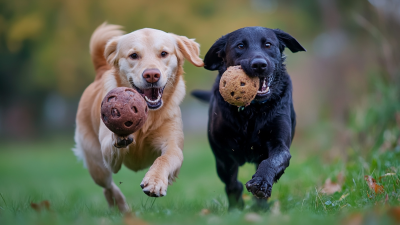
On the other hand, solo play toys serve a different purpose. These are perfect for quieter moments. A simple rubber ball can keep a dog entertained. It allows them to expend energy independently. However, relying solely on solo toys might lead to boredom. Dogs may need both types for balanced play.
Pay attention to your dog’s behavior. Some dogs may prefer social interaction, while others enjoy solo activities. Observe their preferences. You might find some toys abandoned after a few tries. This can be a sign they’re not engaging with the toy. Tailor your choices accordingly.
Popular Brands and Recommendations for Dog Toys
When selecting the best dog toys, consider your pet’s chewing habits and activity level. Engaging toys can improve mental stimulation. According to a survey by the American Pet Products Association, 75% of dog owners believe toys enrich their pets' lives. Yet, not all toys are suitable for every dog.
Interactive toys, for instance, are popular among many pet owners. They can keep dogs occupied for hours. Many pet experts suggest rotating toys to maintain interest. A recent study showed that dogs exposed to various toys displayed fewer signs of anxiety. On the other hand, some dogs may just prefer a simple ball.
It’s essential to choose toys that are safe and durable. Many toys get ruined quickly, leading to potential hazards. The ASPCA advises checking for wear and tear regularly. Despite being aware of safety, some owners overlook these risks. Reflecting on your dog's play habits can guide future purchases. Finding the right match could take time, but it pays off in your dog’s happiness.