What Are the Best Silver Silk Pillowcase Types in 2026?
Choosing a Silver Silk Pillowcase in 2026 means comparing more than color and price. Silk grade, fabric construction, and the way silver is added can change the feel and care requirements. Small details matter.
Textile Exchange’s Materials Market Report 2024 puts global fiber production at about 124 million metric tonnes in 2023. That scale helps explain why silk is a specialty choice, not a standard bedding fiber. Yet the report does not rank pillowcase quality or verify silver-treatment claims. Those details require product-level evidence, such as fiber composition, momme weight, and clear care instructions.
The main types to compare include mulberry silk charmeuse, other silk weaves, and silk fabrics marketed with silver-infused or silver-treated finishes. Charmeuse typically feels smooth against the cheek, while weight and stitching affect drape and durability. Silver claims deserve a closer look. “Silver” may refer to different technologies, and a product description alone cannot prove lasting antimicrobial performance. Ask whether the seller identifies the treatment, testing method, and wash-care limits. A glossy finish is not evidence.
This guide compares these options by material, construction, comfort, upkeep, and documentation. It also notes where evidence remains thin. That matters. “Best” depends on your priorities, not a label. A careful comparison can help you choose a pillowcase that suits your routine without treating unverified benefits as fact.
How Silk Pillowcase Types Are Classified: Mulberry Silk and 19–30 Momme
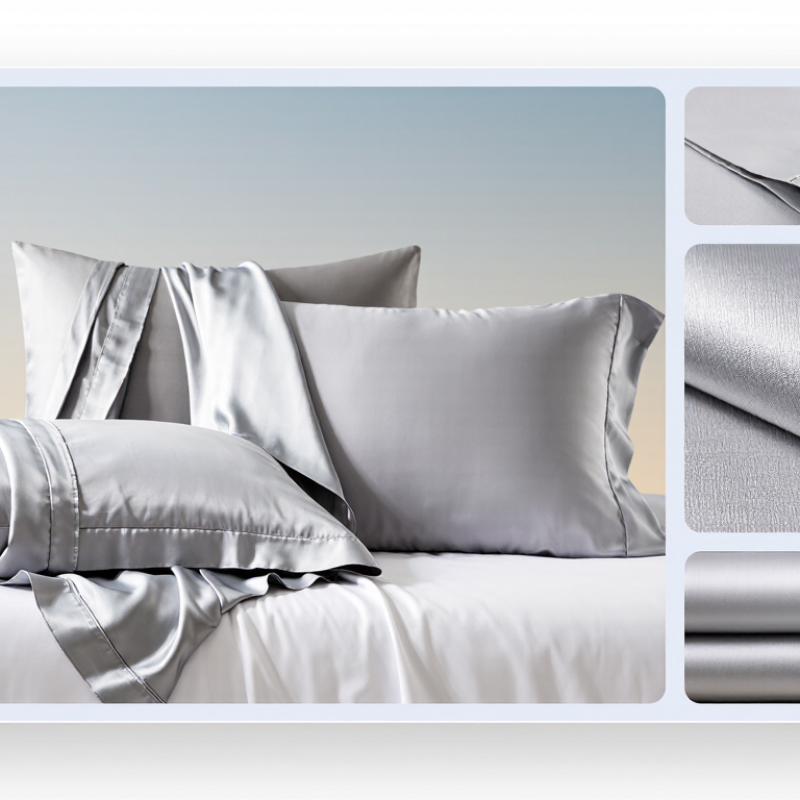
A silver silk pillowcase is usually classified by its silk source and fabric weight, not by its color. Mulberry silk comes from silkworms fed primarily on mulberry leaves. Its smooth, continuous fibers can create a soft, even fabric. Silver describes the shade, which may look cool gray or softly reflective under different lighting. Color alone says little about quality.
Momme measures silk fabric weight and density. A 19-momme pillowcase is lighter and often more fluid against the skin. Around 22 momme offers a practical middle ground for everyday use. Silk in the 25–30 momme range is generally heavier and may feel more substantial, though construction and care matter too. Higher numbers are not automatically better for every sleeper. The classifications can feel confusing at first; momme is not thread count.
Tips: Check the label for both “100% mulberry silk” and the momme figure. Feel the fabric, if possible: a heavier case should still drape smoothly, not feel stiff. Follow the washing instructions, since heat and rough handling can weaken silk. Consider your preference for a light or weightier feel. A label can help, but it cannot tell the whole story.
Silver-Infused vs. Silver-Coated Silk: Treatment Methods and Fiber Structure
What Are the Best Silver Silk Pillowcase Types in 2026?
Silver-Infused vs. Silver-Coated Silk: Treatment Methods and Fiber Structure
Silver-infused and silver-coated silk can sound interchangeable, but they describe different treatments. “Infused” usually means silver particles or compounds are incorporated into a fiber or applied within a treatment layer. The silk’s core remains a protein filament; silver does not turn it into a different natural fiber. Exact methods vary, so the label alone may not explain where the silver sits.
A coating is generally deposited on the yarn or fabric surface. It may feel slightly different against your cheek, especially if the finish is uneven or substantial. Silver within a treatment layer may feel less noticeable, but that is not guaranteed. That distinction matters. Neither term proves how well a pillowcase retains silver after washing or how effectively it limits odor-causing microbes. Look for test details, care instructions, and clear information about the treated material. I would not assume that “infused” automatically means longer-lasting; product wording can be vague.
Tips: Check the label. Compare the recommended wash cycles and ask whether testing was done on the finished fabric. Rub a corner gently between your fingers; any stiffness or slickness may hint at a surface finish. Small clues help, though they cannot confirm the treatment method.
How Antimicrobial Claims Are Tested: AATCC TM100 and ISO 20743
When comparing silver silk pillowcase types in 2026, look beyond the fabric’s sheen. Check whether the product identifies its silk construction and explains how silver is incorporated. “Antimicrobial” can sound reassuring, but the word alone does not show how a textile was tested. Test details matter.
AATCC TM100 measures antibacterial activity on treated textiles under specified laboratory conditions. ISO 20743 also evaluates antibacterial activity, using methods such as absorption, transfer, or printing. These methods expose fabric samples to bacteria and assess changes after a set contact period. Results depend on test conditions, organisms, and the sample preparation. They are not automatically comparable. A laboratory result also does not prove that a pillowcase prevents illness or stays effective through repeated washing. Small differences in handling matter. That part is easy to miss.
Tips: Ask for the test standard, tested organisms, contact time, and results for the finished fabric. Check whether the report includes laundering tests if durability matters to you. A clear report is useful; vague claims are not. I would still treat any single test as limited evidence, not a promise of everyday performance.
Silver Silk Pillowcases: Understanding Antibacterial Test Results
The chart shows the mathematical relationship between bacterial reduction and log10 reduction: for example, a 99% reduction equals 2 log10. AATCC TM100 and ISO 20743 assess antibacterial activity in textile samples using viable bacterial counts. Results depend on the test method, organism, and conditions; these values are conversions, not test results for any pillowcase or silver type.
Comparing 19, 22, and 25 Momme Silk by Weight, Durability, and Weave
Momme measures silk fabric weight, not thread count or a guaranteed lifespan. A 19-momme silver silk pillowcase feels light and drapes easily. It can suit warm bedrooms or shoppers seeking a lower-cost option. Its thinner fabric may wear sooner with frequent washing, especially near seams and closures. Handle it gently.
At 22 momme, the silk usually feels denser while still folding smoothly over a pillow. For many sleepers, this offers a practical balance between weight and everyday durability. But the number alone cannot predict how long a case will last. Stitching, fiber quality, and care matter too. Check the seams.
A 25-momme case has more silk per unit of fabric, so it often feels substantial and less flimsy in the hand. That added weight may improve resilience, though it can also feel warmer and cost more. Weave changes the surface: satin weave gives silk its familiar smooth, glossy face, while other weaves may feel less slippery. If a case snags on a rough nail, even heavy silk can suffer. Wash according to its care label, and compare weave and construction alongside momme before choosing.
What Are the Best Silver Silk Pillowcase Types in 2026? — Comparing 19, 22, and 25 Momme Silk by Weight, Durability, and Weave
| Silk specification | Approx. fabric weight | Typical feel and drape | Durability considerations | Weave and suitable use |
| 19 momme | About 82 g/m² | Lightweight, soft, and fluid; usually has a lighter drape. | Uses less silk per area than heavier options, so it may be more vulnerable to wear over time. Actual service life also depends on fabric quality, stitching, and care. | Often found in charmeuse (a satin weave). A lighter option for those who prioritize a supple feel and gentle handling. |
| 22 momme | About 95 g/m² | A medium-weight feel with a smooth surface and more body than 19 momme. | A common balance of weight and everyday practicality. At the same quality and construction, the extra material can provide more resistance to wear than a lighter fabric, but it does not guarantee a particular lifespan. | Commonly made in charmeuse. A versatile choice for regular use when a balance of drape and substance is preferred. |
| 25 momme | About 108 g/m² | Heavier and more substantial, with a fuller drape than lighter momme weights. | More silk per area can support greater durability when fiber quality and construction are comparable. It may cost more and can feel less lightweight. | Often offered in charmeuse. A good option for those who prefer a substantial fabric and are willing to follow silk-care instructions. |
How weave affects a silk pillowcase
| Weave | Typical characteristics | How it relates to momme |
| Charmeuse (satin weave) | Usually has a lustrous, smooth face and a more matte reverse. It is a common choice for silk pillowcases. | Can be made at different momme weights; the weave describes the yarn arrangement, while momme describes fabric weight. |
| Habotai (plain weave) | Generally has a simpler, more even surface and a less glossy appearance than charmeuse, though the exact feel varies by fabric construction. | Momme weight can vary independently of the weave; check the stated weight and product construction rather than assuming a weave determines weight. |
Note: “Silver” describes the color, not a silk type or weave. Momme is a measure of fabric weight; the approximate g/m² figures use 1 momme ≈ 4.31 g/m². Durability also depends on silk quality, construction, stitching, use, and care. Follow the care label and avoid rough washing or high heat.
How to Choose a Silver Silk Pillowcase Using Test Results and Care Labels
What Are the Best Silver Silk Pillowcase Types in 2026?
How to Choose a Silver Silk Pillowcase Using Test Results and Care Labels
The best choice is not defined by “silver silk” wording alone. Check whether silver refers to a finish, a fiber blend, or simply the color. Then confirm the shell’s fiber content and weave on the label. Mulberry silk describes fiber origin; charmeuse describes a smooth weave. Momme indicates fabric weight, not a complete quality score. Check the label.
Ask for test results tied to the actual fabric, not a generic product sheet. AATCC TM61 evaluates colorfastness during accelerated laundering; its 45-minute procedure is commonly used to approximate the color change from five home washes. That makes it useful for judging whether a silver finish may fade. Look for the method, measured result, test date, and fabric sample identification. ASTM D5034 is another relevant method for measuring fabric breaking strength. No single result proves a pillowcase will last.
Care labels matter because silk can lose its smooth feel with harsh washing. If the label permits machine washing, use a delicate cycle, cool water, and a mesh bag. Skip bleach and high-heat drying. Hand washing may be gentler, but careless wringing can still stress the fibers. A silver coating may also respond differently to washing than uncoated silk, so follow the maker’s instructions and ask whether the finish was tested after laundering. The practical detail is easy to miss: check care instructions before purchase, not after the first wash.

