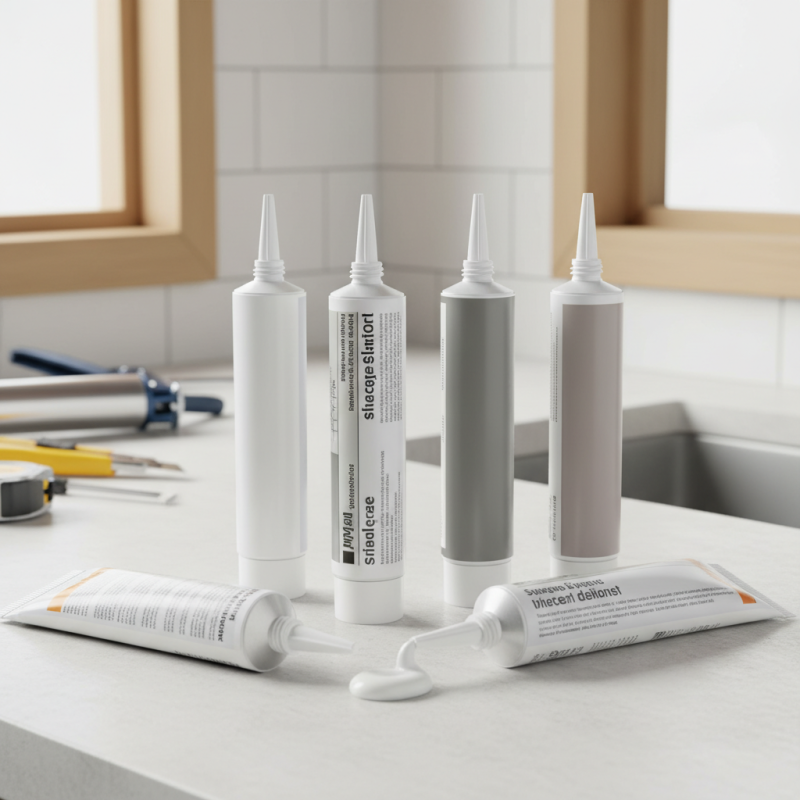
Best Neutral Silicone Sealant for Your Projects Which One to Choose?
Choosing the right Neutral Silicone Sealant for your projects is essential. This versatile product offers excellent adhesion and durability. It works well in various applications, including bathrooms, kitchens, and outdoor settings.
Many people are uncertain about which product to select. With so many options, it can be confusing. Some sealants promise high performance, but not all deliver. A reliable Neutral Silicone Sealant can resist moisture and UV rays. This quality makes it perfect for both indoor and outdoor use.
Consider your specific needs before making a choice. Every project may require different properties from a sealant. Researching and comparing brands is a smart approach. The right sealant can make a significant difference in the longevity of your projects. Aim for a product known for its quality and reliability.
What is Neutral Silicone Sealant and Its Applications?
Neutral silicone sealant is a versatile material widely used in construction and manufacturing. It is distinguished by its ability to bond well with various surfaces, including glass, metal, and ceramic. Unlike acetoxy silicone sealants, neutral silicone does not release acetic acid during curing, making it less corrosive and odorless. This characteristic makes it an excellent choice for indoor applications, especially in kitchens and bathrooms.
According to a market report by Grand View Research, the global silicone sealants market is projected to reach $7.92 billion by 2025. This growth highlights the increasing reliance on silicone sealants across various industries. Neutral silicone sealant is favored in window and door installations due to its weather resistance and flexibility. It can endure extreme temperatures and won’t crack over time, which contributes to its long lifespan. However, not all neutral silicones are created equal, and users should scrutinize specifications to ensure compatibility with their project needs.
Additionally, while neutral silicone offers many benefits, it is crucial to apply it correctly. Improper application may lead to reduced adhesion and ineffective sealing. Factors such as surface cleanliness and curing time play a significant role in performance. Engaging with product guidelines and testing applications can help mitigate these risks. Even experienced contractors occasionally encounter challenges with curing; learning from these instances can enhance future projects.
Key Features to Look for in Neutral Silicone Sealants
When selecting a neutral silicone sealant, consider its key features. A top-notch sealant should have excellent adhesion. It should bond well with various surfaces like glass, metal, and ceramic. This versatility is crucial for different projects.
Flexibility is another important characteristic. Good neutral silicone should accommodate movement without cracking. This feature ensures longevity, especially in expanding and contracting environments. Look for a sealant that remains resilient over time.
Another aspect to evaluate is the curing time. Some products cure quickly, while others take longer. Patience might be needed, but a longer curing time can lead to better results. Also, check for odor levels. Some silicone sealants emit strong odors that can be uncomfortable. Finding a balance between performance and comfort is essential for a smooth project completion.
Top Brands of Neutral Silicone Sealant for Various Uses
When selecting a neutral silicone sealant, understanding the top brands is essential. Many professionals and DIY enthusiasts rely on these products for various applications, from kitchen installations to outdoor use. Data from industry reports suggest that neutral silicone sealants offer superior longevity compared to traditional types, particularly for projects exposed to moisture and varying temperatures.
One notable aspect of neutral silicone sealants is their versatility. They bond well with multiple materials, including glass, metal, and plastics. According to a recent study, up to 85% of users report satisfaction with the flexibility and adhesion of these sealants. This flexibility is crucial, as it accommodates the natural expansion and contraction of different materials without cracking.
**Tip**: Always test a small area before full application. This can help determine compatibility with your specific materials and environment.
Transparency in product performance ratings can help in making informed decisions. Some sealants may claim to be neutral, but not all perform equally. Specific tests indicated that certain brands exhibited better resistance to UV light and weathering. Users should check these ratings to ensure durability over time.
**Tip**: Pay attention to application temperature recommendations. Improper conditions can lead to seal failure. Evaluating user reviews and testing different products can save time and effort in the long run.
Comparative Analysis of Popular Neutral Silicone Sealants
When choosing a neutral silicone sealant, several options stand out in the market. An effective sealant should offer waterproofing, adhesion, and flexibility. Some sealants are better suited for specific applications than others. They perform differently under varying conditions. Evaluating their longevity and resistance to mold is crucial for projects exposed to moisture.
Consider the versatility of each sealant. Some are highly flexible, allowing for movement in joints. Others may become brittle over time. Testing a small section before applying it extensively can save you frustration. Look for user feedback to gauge real-world performance. Rankings based solely on features can be misleading.
Not all sealants are created equal. Some may have a longer curing time, which can impact project timelines. Others might emit strong odors during application, complicating indoor use. Always prioritize safety and ensure adequate ventilation. Comparing ingredients can help identify potential allergens, which is vital for sensitive environments. The best choice is one that fits your needs and the specific project requirements.
Best Neutral Silicone Sealant for Your Projects
Tips for Applying and Storing Neutral Silicone Sealants
When applying neutral silicone sealants, proper technique is crucial. Begin by cleaning the surface thoroughly. Dirt, dust, and grease can prevent the sealant from adhering well. Use a suitable cleaner and a cloth to ensure the surface is dry and smooth. Test your sealant on a small area first. This step helps you gauge how it interacts with the surface.
Storing silicone sealants is equally important. Keep them in a cool, dry place to maintain their effectiveness. Avoid exposing them to extreme temperatures or direct sunlight. Check the expiration date before starting your projects. An expired sealant may not cure properly, leading to subpar results. Store tubes upright to prevent leakage and clogs.
Be aware that some sealants may take longer to cure than expected. Patience is key. Monitor the curing process and avoid contact with the seal until it has fully set. This will ensure a robust and durable bond. Not all projects will go as planned, and that's okay. Learning from these experiences will improve your future applications.