What is the Best Medical Air Purifier for Home Use?
Choosing the right medical air purifier for your home can be overwhelming. Many options flood the market, all claiming to improve air quality. Yet, not all air purifiers are created equal. A medical air purifier targets harmful particles, allergens, and pathogens more effectively than standard models.
Consider your specific needs. Those with allergies or asthma may require specialized filtration. A high-efficiency particulate air (HEPA) filter is crucial for trapping tiny particles. The noise level is another factor to ponder. Some models operate quietly, while others can be quite loud.
Reflect on the size of the room as well. A purifier that’s too small won’t clean the air effectively. Meanwhile, a larger unit may waste energy in a small space. The best medical air purifier balances these aspects, ensuring a healthier indoor environment. It's also essential to think about maintenance. Regular filter changes are necessary for optimum performance.
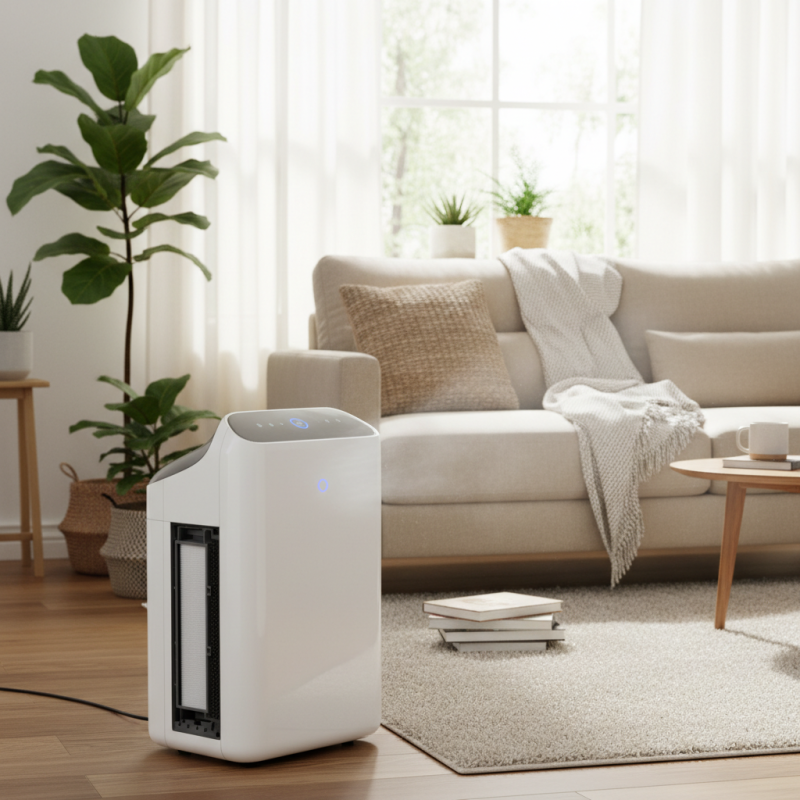
Defining Medical Air Purifiers: What Makes Them Unique?
Medical air purifiers are designed to enhance indoor air quality significantly. They differ from standard air purifiers by focusing on removing specific pathogens and harmful particles. According to a report by the American Lung Association, these devices can effectively eliminate up to 99.97% of particles that are 0.3 microns in size. This includes allergens, bacteria, and viruses, making them vital in a home with vulnerable occupants.
Unique features of medical air purifiers include HEPA filtration and UV-C light technology. HEPA filters trap even the smallest particles, ensuring cleaner air. UV-C light disinfects the air by destroying microorganisms. A study published in "Indoor Air" found that air purifiers with HEPA filters can reduce asthma symptoms by up to 60%. However, effectiveness relies heavily on proper usage and maintenance. Many users overlook filter replacement schedules, diminishing the purifier's performance.
The design of medical air purifiers often emphasizes quiet operation and energy efficiency. Some models operate below 30 decibels, ideal for bedrooms. Despite their advantages, some people mistakenly assume that these purifiers eliminate the need for regular cleaning. Dust and mold can still accumulate in the home environment, impacting air quality. Therefore, while medical air purifiers help, they are just one part of maintaining a healthy living space.
Key Features to Look for in a Home Medical Air Purifier
When choosing a medical air purifier for home use, focus on key features that enhance its effectiveness. High-efficiency particulate air (HEPA) filters are essential. They capture 99.97% of particles as small as 0.3 microns. This includes dust, pollen, and pet dander. Look for models that also include pre-filters. These filters prolong the life of the HEPA filter, making maintenance easier.
Another important feature is activated carbon filtration. This type of filter eliminates odors and harmful gases. It helps improve indoor air quality significantly. Some purifiers come with additional UV light technology. This feature can kill airborne bacteria and viruses. However, effectiveness varies by model and settings.
Consider the purifier's room size coverage. A unit may perform poorly if it’s meant for large spaces but used in smaller areas. Noise levels are another important factor. Some purifiers can be quite loud, disrupting sleep or conversations. It's critical to assess your environment and needs realistically. The perfect air purifier doesn't exist. The best choice is often a compromise between various features and your specific situation.
Comparing Types of Filters Used in Medical Air Purifiers
When selecting a medical air purifier, the type of filter used is crucial. HEPA filters are the most common in medical air purifiers. They can capture 99.97% of particles as small as 0.3 microns. This includes pollen, dust, and even some bacteria. However, a study revealed that not all HEPA filters are created equal. Some may not reach the efficiency required for medical environments.
Another important filter type is activated carbon. This filter specializes in removing odors and volatile organic compounds (VOCs). Yet, its effectiveness can diminish over time. A report indicated that within six months, activated carbon may lose up to 50% of its adsorption capacity. Regular maintenance is essential for optimal performance.
Ultraviolet (UV) light technology is also gaining traction. It helps in eliminating airborne pathogens after passing through the filter. However, the effectiveness of UV light can vary based on exposure time and intensity. Some models may not provide adequate coverage. This inconsistency is a factor to consider when evaluating options.
Evaluating the Best Brands for Home Medical Air Purifiers
Choosing the best medical air purifier for home use requires careful brand evaluation. Look for filters that effectively capture allergens, dust, and pollutants. True HEPA filters are essential for trapping small particles. Some brands offer UV-C light technology, which helps neutralize germs and bacteria. This added feature can improve air quality significantly.
Many consumers appreciate user-friendly designs. Simple controls and easy maintenance are factors to consider. Air purifiers should fit seamlessly into your home environment. Noise levels matter too; a quiet operation is crucial for bedrooms and living spaces. Some purifiers may excel in performance but can be overly loud during operation.
Don't overlook the importance of CADR ratings. This metric tells you how quickly a purifier can clean the air in a room. Compare these ratings among brands to find one that suits your space. Also, reflect on energy efficiency. High-quality air purifiers can consume more power than expected. It's worth researching models that balance effectiveness with energy consumption. Your choice should reflect your unique needs and living situation.
What is the Best Medical Air Purifier for Home Use? - Evaluating the Best Brands for Home Medical Air Purifiers
| Model | Filter Type | CADR (m³/h) | Noise Level (dB) | Coverage Area (sq ft) | Price ($) |
| Model A | HEPA + Activated Carbon | 300 | 25 | 600 | 199 |
| Model B | True HEPA | 400 | 22 | 800 | 249 |
| Model C | HEPA + UV | 250 | 30 | 500 | 179 |
| Model D | HEPA + Ionizer | 350 | 28 | 700 | 220 |
| Model E | True HEPA + Activated Carbon | 450 | 24 | 900 | 299 |
User Reviews and Experiences: Real-world Performance of Air Purifiers
When choosing a medical air purifier for home use, user reviews play a key role. Many people share experiences about performance in various conditions. Some report significant improvements in air quality. Others notice minimal changes. It can be confusing.
Tips for selecting the right purifier: Consider the size of the room. Match the air purifier's capacity to your space. Read user feedback on specific models. Look for mentions of noise levels and ease of maintenance. Not all purifiers perform equally. Some have great filtering systems but are too loud for peace.
Users often report unexpected results. For instance, certain models may not eliminate odors. Some find that air quality fluctuates even with a purifier. It's crucial to check the specific needs, like allergies or asthma. Not every product fits every household. Take time to research and reflect on what you truly need for your environment.
What is the Best Medical Air Purifier for Home Use?

