Best Industrial Hand Gloves for Protection and Durability?
In today's industrial environment, safety is paramount. Workers face a variety of hazards daily. To protect hands, choosing the right Industrial Hand Gloves is crucial. Not all gloves are created equal. Different materials and designs serve specific purposes. Understanding these factors can enhance safety and performance.
High-quality Industrial Hand Gloves should offer durability and comfort. However, many options may not meet these criteria. For instance, some gloves might wear out quickly, compromising protection. This highlights the need for careful selection based on the task at hand. Regularly assessing glove condition is also important. Worn-out gloves can lead to accidents.
Selecting the best Industrial Hand Gloves involves more than just price. Factors like grip, flexibility, and breathability matter. Often, users overlook these aspects. This can lead to dissatisfaction and increased risk. Ultimately, investing time and effort into choosing the right gloves pays off in the long run. Proper protective gear is not just an option; it is a necessity.
Types of Industrial Hand Gloves and Their Uses
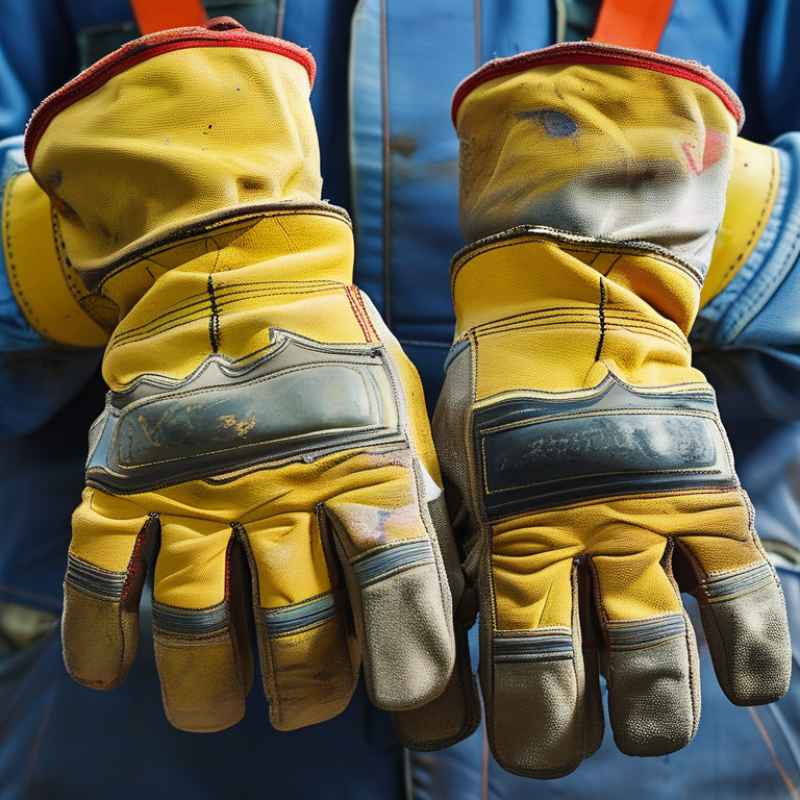
Industrial hand gloves come in various types, each designed for specific tasks. Understanding their uses ensures optimal protection. For instance, cut-resistant gloves are essential in manufacturing. They protect workers from sharp materials. These gloves are made with synthetic fibers and can withstand significant abrasion. However, they may restrict dexterity, which some workers find challenging.
Chemical-resistant gloves are crucial in industries dealing with hazardous substances. These gloves are crafted from materials like nitrile or neoprene. They provide a barrier against harmful chemicals. Yet, they can cause hand fatigue during prolonged use. Workers must balance protection with comfort. Heavy-duty gloves are available for heavy lifting and rough handling. While these gloves offer excellent durability, they can be bulky, impacting fine motor skills in some tasks.
Choosing the right type of glove is key. Each type has pros and cons that require careful consideration. Users must evaluate the demands of their tasks. This ensures they select gloves that deliver both safety and comfort.
Key Features to Consider for Durability and Protection
When selecting industrial hand gloves, durability and protection are crucial for optimal safety. Gloves that withstand wear and tear contribute significantly to worker safety. According to a report by the National Safety Council, nearly 70% of hand injuries occur in workers not wearing gloves. This highlights the importance of choosing the right pair.
Key features to consider include material and design. Leather gloves offer excellent resistance to cuts and abrasions. Synthetic options often provide better dexterity and grip. Look for gloves with reinforced areas to protect high-wear zones. Breathable materials can also enhance comfort during extended use. An ergonomic fit prevents gloves from slipping off, which can lead to accidents.
Tips: Always check the glove’s cut resistance rating. A rating of ANSI Level A4 or higher provides ample protection against cuts. Regularly inspect gloves for signs of wear and replace them as needed. Remember, even high-quality gloves won’t protect you if they are damaged. Make these considerations a priority when ensuring workplace safety.
Top Materials Used in Industrial Hand Gloves
When it comes to industrial hand gloves, the materials used are crucial. Different environments require specific features. Understanding these materials helps select the right gloves for the task.
Leather is a popular choice for tough, durable protection. It offers excellent grip and can withstand harsh conditions. However, it may not provide the same level of flexibility as other options. Synthetic materials, like nitrile, offer flexibility and resistance to chemicals. They are lightweight and often preferred for delicate tasks.
Cotton is breathable and provides comfort. Yet, it may lack durability under extreme conditions. Some gloves combine materials to enhance performance. While this can create a robust option, quality may vary. Evaluating the intended use of gloves is vital. Reflecting on past choices can improve future selections.
Best Industrial Hand Gloves for Protection and Durability
| Material | Protection Level | Durability Rating | Comfort Level | Best Use Cases |
| Nitrile | High | Very Durable | Moderate | Oil and Chemical Handling |
| Latex | Medium | Moderate | High | Medical and Clean Environments |
| Leather | High | Very Durable | Good | Construction and Heavy Duty Work |
| Kevlar | Very High | High | Low | Cut and Puncture Resistance |
| Polyester | Medium | Moderate | High | General Purpose and Light Handling |
Safety Standards and Certifications for Hand Gloves
Hand gloves are essential in many industrial sectors. They protect workers from injuries, chemicals, and extreme temperatures. However, not all gloves are created equal. To ensure safety, it is vital to understand standards and certifications that govern glove production.
According to recent safety reports, gloves meeting ASTM D6978 and EN 374 standards offer a high level of protection against harmful substances. These certifications indicate that the gloves have undergone rigorous testing for puncture resistance, chemical exposure, and durability.
A study from the American Society of Safety Professionals shows that 30% of workplace injuries could have been avoided with proper hand protection.
Interestingly, not all industries prioritize certifications. Some companies overlook the importance of compliance, which can lead to increased risks. It’s crucial to invest in gloves that adhere to safety standards. Choosing gloves without proper certification may save costs initially, but the potential for injuries and legal liabilities can have long-lasting repercussions.
Reflections on past incidents highlight that safety should never be compromised for savings.
Maintenance and Care Tips for Prolonging Glove Life
When it comes to industrial hand gloves, proper maintenance is crucial. Regular cleaning can extend their life significantly. After each use, gloves should be wiped down to remove any dirt or chemicals. Sometimes, you might overlook this step. Storing gloves in a cool, dry place is essential too. High temperatures can degrade materials faster than expected.
Inspecting the gloves regularly helps catch any wear and tear. Look for small holes or fraying edges. Waiting too long to address damage might lead to injuries. You might feel tempted to ignore minor defects. However, these flaws can compromise your safety. Always replace gloves showing signs of significant wear.
Lastly, be mindful of how you use gloves. Using them inappropriately can lead to quick degradation. Heavy-duty gloves are not intended for intricate tasks. It’s a common mistake to treat all gloves the same. Keeping an eye on the specific needs of your work will ensure that your gloves remain effective and durable.
Best Industrial Hand Gloves for Protection and Durability
This chart illustrates the durability ratings and protection levels of various types of industrial hand gloves. It provides a comparative overview of how different materials stand against wear and tear over time.

