2026 Best Boys Leather Shoes for School and Formal Wear
Choosing Boys Leather Shoes for school and formal wear involves more than picking a polished pair. A child may wear them through crowded hallways, long assemblies, family celebrations, and rainy walks to the car. The right shoes should look neat without making every step feel stiff. Comfort matters. So does durability.
This 2026 guide explores styles suited to both uniforms and special occasions, from classic lace-ups to easy-on designs. It considers practical details parents can check in person: flexible soles, smooth interior seams, secure fastenings, and enough room for growing toes. A glossy finish can look smart, but it may show scuffs quickly. Softer leather can feel comfortable sooner, though it still needs care. No single pair will suit every child, and sizing can vary between brands. That part is easy to overlook.
A sensible choice balances appearance, fit, and the routines of a real school week. Check that the heel stays in place and that toes are not pressed together. Ask the child to walk, turn, and sit in the shoes before deciding. Small details matter. This overview offers a grounded starting point, not a promise that one style will work for everyone. A little trial and error may still be needed.
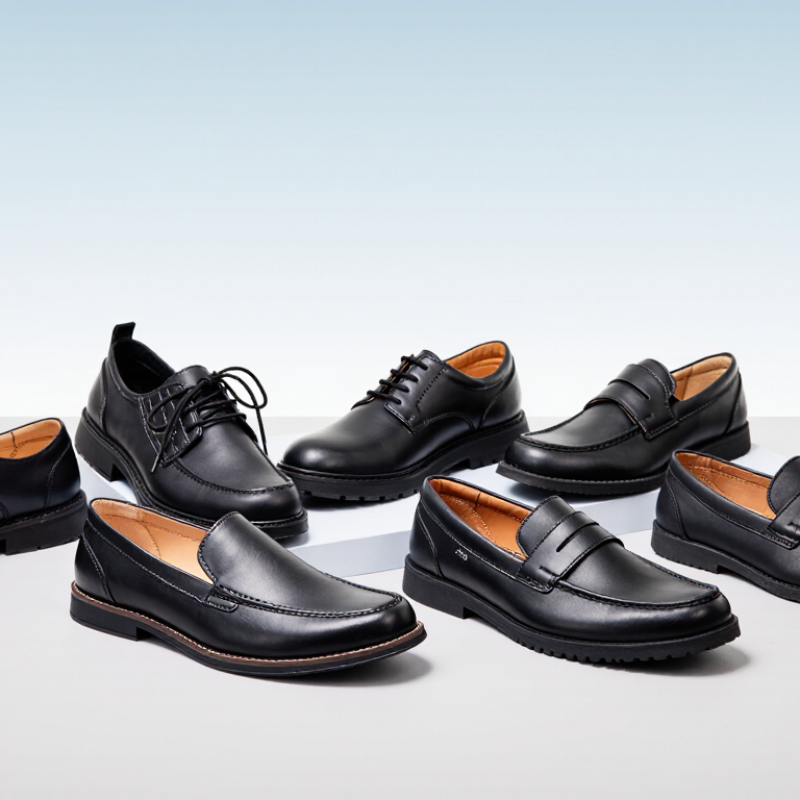
What Boys’ Leather Shoes Are and How They Differ by Use
Boys’ leather shoes are footwear made with a leather upper, though the lining and sole may use other materials. The upper shapes the shoe and helps it look neat, while the sole affects grip, weight, and flexibility. Some pairs use smooth leather; others have a softer, textured finish. Construction varies, too. A stitched sole may be repairable, while a bonded sole is often lighter and less costly. Fit matters most. Leave a little room at the toes, and check that the heel does not lift sharply when he walks. A shoe that pinches in the shop is unlikely to become comfortable simply through wear.
Use makes a real difference. For school, a derby or loafer can be practical for daily routines; adjustable laces help accommodate different foot shapes. A flexible, grippy sole may feel better on long walks between classes. For formal events, an Oxford’s closed lacing and clean profile usually look dressier, especially with a simple, polished upper. Yet a glossy finish cannot make an uncomfortable shoe suitable. It is easy to overvalue shine. Check the inside seams, too, since rough spots can rub during a full day. Leather needs occasional cleaning and conditioning, but care should stay simple and follow the shoe’s instructions. There is no perfect pair for every occasion; sometimes the smarter-looking option is simply too stiff.
Main Styles for School, Ceremonies, and Formal Occasions
School shoes work hardest on ordinary days. A polished black Oxford suits assemblies and ceremonies, while a plain derby offers a little more room for thicker socks. For younger pupils, a single-strap shoe is quicker to fasten, though the strap must sit comfortably across the foot. Smooth leather can be wiped clean after wet playgrounds, but it still needs time to dry naturally. A glossy finish looks formal; it may also show scuffs sooner.
The National Retail Federation’s 2024 Back-to-Class survey estimated average K–12 household spending at $874.72, across supplies, clothing, shoes, and other items. That is not a shoe budget, but it shows why versatility matters: one pair may need to cover school assemblies and family events. Check the fit while standing, with the socks the child will actually wear. Leave toe room, yet avoid a loose heel. Leather can soften with use, but a poor fit rarely becomes a good one. I still find that “dressy” shoes are sometimes chosen before comfort, a trade-off worth reconsidering.
Tips: Flex the sole near the ball of the foot. Check toes at the end of the day, when feet may be slightly larger. Use a soft cloth for dust, and let damp shoes air-dry away from direct heat.
Leather Types, Construction, and Features to Compare in 2026
For school shoes, compare full-grain, corrected-grain, and split leather by feel and finish. Full-grain usually keeps the surface’s natural character, while corrected-grain is sanded and coated for a more even appearance. Split leather may feel softer, but coatings can hide differences in quality. Look closely at flex points: fine, even creasing is generally preferable to a stiff panel that cracks after repeated bending. A shiny finish is not proof of durability.
Construction matters just as much. A stitched sole can be easier to repair, while cemented construction often keeps shoes lighter; neither is automatically better. Check that the lining feels smooth, the heel counter holds its shape, and the outsole bends beneath the ball of the foot. Small details count.
The World Footwear Yearbook 2024 estimates that 22.4 billion pairs were produced worldwide in 2023, showing the scale of the footwear market, not the quality of any one shoe. Grand View Research valued the global footwear market at USD 438.6 billion in 2023.
These figures provide context, but they cannot replace hands-on checks.
One imperfect test: press the toe and inspect the crease afterward. It may reveal stiffness, though it cannot predict years of wear.
How to Choose the Right Size, Fit, and Support
A well-fitting leather school shoe should feel secure without squeezing the toes. Measure both feet while your child is standing, preferably later in the day when feet may be slightly larger. Check the longer foot. Leave roughly a thumb’s width between the longest toe and the shoe’s front, but make sure the foot does not slide forward. Check both feet.
Try shoes with the socks your child will wear to school. The heel should stay in place during a short walk, without rubbing or lifting noticeably. Fasten the laces or straps snugly, then ask your child to walk, turn, and climb a few steps. Watch for pinching across the widest part of the foot. A little extra room can help, but “room to grow” should not mean a loose, awkward fit.
Support matters through a long school day. Look for a stable heel, a cushioned insole, and a sole that bends near the toes rather than folding in the middle. Leather may soften with wear, but it should feel comfortable from the start. Size charts are useful, not exact; children’s feet grow unevenly, and fit can vary between shoe shapes. Recheck the fit every few months, especially if toes leave marks or shoes become difficult to put on.
How to Care for Leather Shoes and Extend Their Wear Life
School leather shoes collect more than dust. They pick up playground grit, rain spots, and scuffs near the toes. Brush them with a soft shoe brush after school, paying attention to seams and welts. For dried mud, let it harden first, then brush gently. A damp cloth can lift surface marks, but soaking leather may cause stiffness or stains. Let shoes breathe.
Dry wet shoes at room temperature, away from radiators and direct sun. Loosen the laces and remove the insoles if they come out easily. Stuff the shoes lightly with plain paper to help absorb moisture; replace it when damp. Avoid newspaper, since ink may transfer. Once dry, use a small amount of leather conditioner when the material looks dull or feels dry. Test it on a hidden area first. Too much product can leave leather greasy.
For formal wear, apply a thin layer of polish in a matching shade, then buff with a clean cloth. A quick shine is usually enough for school events. Rotate pairs when possible, giving each pair a full day to dry. Check heels, soles, and stitching regularly; small wear can be easy to miss. I used to polish every scuff, but some marks only needed brushing. Overworking the leather can make care harder, not better.
Leather Shoe Care: Suggested Maintenance Intervals
A practical routine for boys’ leather shoes worn regularly to school or formal occasions.
Intervals are general guidelines: use shoe trees and brush after each wear, polish about every two weeks, and condition about every three months. Adjust based on wear, weather, and the leather’s condition.

