Skip to content

China Best Bamboo Pulp Toilet Paper Suppliers?

Choosing a reliable China-based supplier of Bamboo Pulp Toilet Paper takes more than comparing prices or leafing through glossy catalogs. Buyers need evidence: the stated bamboo content, the pulp’s origin, product specifications, and current quality documents. A sample should feel consistent, unwind smoothly, and hold together when damp. Ask for those details in writing.

China’s supplier landscape includes manufacturers, trading companies, and mills with different levels of production control. That distinction matters. A trading company may offer flexible packaging, while a mill may provide clearer information about pulp processing and batch checks. Neither label guarantees quality. Request a recent specification sheet, sample lot details, and a clear explanation of how defects are handled. Then compare like with like: sheet count, ply, roll dimensions, packaging, and shipping terms.

Sustainability claims deserve the same care. “Bamboo” on a wrapper does not, by itself, explain the fiber blend or prove a product’s environmental impact. Look for precise disclosures and credible supporting documents. Check whether the quoted price includes the packaging and specifications you actually need. Small gaps can become expensive later.

One limitation should be stated plainly: without a verifiable interview or source, attributing a quotation to a named Bamboo Pulp Toilet Paper expert would risk inventing one. This guide therefore focuses on practical checks buyers can verify. It may not capture every supplier nuance, and that is worth remembering. Good sourcing begins with questions, not promises.
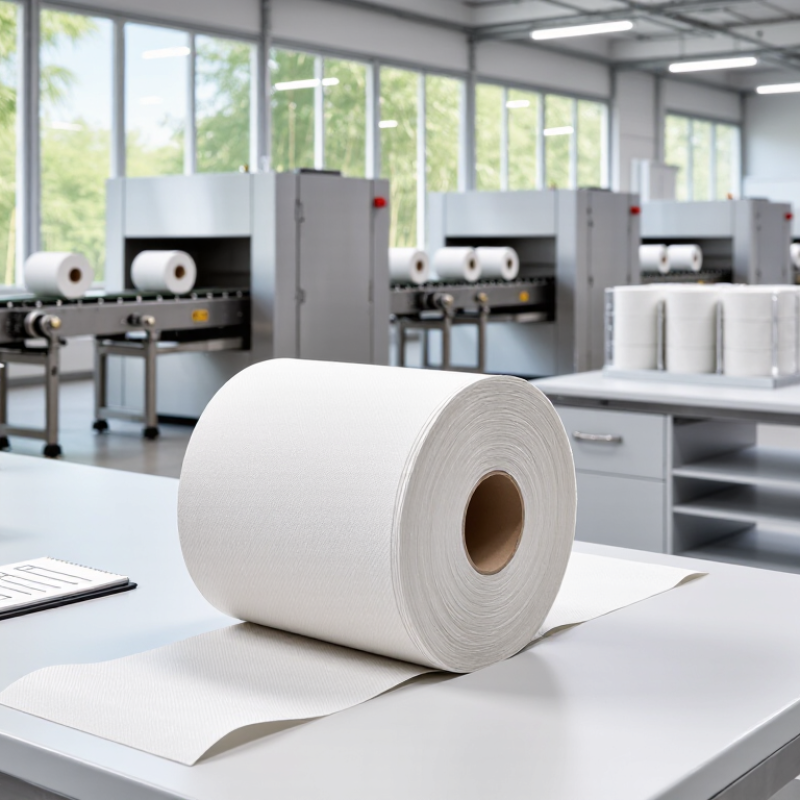
China Best Bamboo Pulp Toilet Paper Suppliers?

What Is Bamboo Pulp Toilet Paper and How Is It Made?

Bamboo pulp toilet paper is tissue made from cellulose extracted from bamboo stalks, rather than wood. Bamboo is cut into chips, cooked to separate fibers from lignin, then washed and processed into pulp. The pulp may be bleached, refined, and mixed with water before it is spread into a thin sheet, pressed, and dried on a heated cylinder. A scraper crepes the dry sheet, creating the soft, slightly textured feel of toilet tissue. Not quite a simple process.

The FAO’s Global Forest Resources Assessment 2020 reported roughly 35 million hectares of bamboo-dominated forest worldwide. INBAR’s Global Assessment of Bamboo and Rattan 2020 counted more than 1,600 bamboo species, a reminder that feedstock properties can vary. Neither figure proves that a particular roll is sustainable. Farming methods, transport, pulping chemicals, water use, and mill energy all affect its footprint. Some details matter. Buyers can ask suppliers for the pulp’s origin, processing disclosures, and credible third-party environmental data. “Bamboo” on a label alone tells you little about bleaching methods or wastewater treatment. A careful supplier should be able to explain both.

Where Are China’s Bamboo Pulp Toilet Paper Suppliers Located?

Where Are China’s Bamboo Pulp Toilet Paper Suppliers Located?

China’s bamboo pulp toilet paper suppliers are often found in southern and southwestern provinces, including Sichuan, Fujian, Jiangxi, Zhejiang, Hunan, and Guangxi. These areas have access to bamboo-growing regions, established paper-making industries, or both. The National Forestry and Grassland Administration’s 2022 statistical yearbook reports about 7.56 million hectares of bamboo forest nationwide. That figure describes forest resources, not factory capacity. Not every mill.

Sichuan and nearby provinces benefit from substantial bamboo resources, while coastal manufacturing areas can offer established transport links and industrial infrastructure. A supplier’s registered office may differ from its pulp mill or tissue-converting plant. Ask for the production-site address, and check whether pulp-making and roll converting happen at the same location. This map is imperfect; public data rarely separates bamboo tissue output from broader paper production.

Tips: Request a recent factory audit, product specifications, and the origin of the bamboo pulp. Confirm the loading port and sample the finished paper. A low quoted price may not include inland freight or custom packaging.

Where China’s Bamboo Pulp Toilet Paper Suppliers Are Located

Regional view of selected bamboo-growing provinces that can support bamboo-pulp production.

The bars count selected bamboo-growing provinces by broad region, not suppliers or factories. Relevant production locations are generally associated with bamboo-growing areas, including Fujian, Zhejiang, Jiangxi, Anhui, Hunan, Guangdong, Guangxi, and Sichuan.

What Standards Define Quality and Sustainability?

Quality begins with traceable pulp and repeatable testing. For bamboo toilet paper, request the fiber’s origin, pulping method, and batch records. ISO 12625 provides test methods for tissue properties, including tensile strength, grammage, and absorbency. Ask for results from the finished roll, not just the pulp sheet. A soft sample can still tear when wet. Test it.

Sustainability needs evidence beyond a bamboo label. FAO’s Global Forest Products Facts and Figures 2022 reports about 401 million tonnes of paper and paperboard production worldwide that year. This broad sector figure is not specific to tissue, but it shows why fiber sourcing and mill impacts matter. Compare suppliers’ water and energy use per tonne, wastewater data, and bleaching controls. FSC chain-of-custody certification can help verify eligible fiber claims; ISO 14001 indicates an environmental management system, not a low-impact product. Certificates help, but they do not replace mill-level data. One gap remains: supplier figures may use different boundaries, making comparisons imperfect. Ask what each number includes.

How to Evaluate and Compare Chinese Suppliers

Choosing a bamboo pulp toilet paper supplier in China takes more than comparing prices. Ask for the pulp’s origin, the bamboo percentage, and whether recycled fibers are mixed in. Request product specifications for sheet size, ply, basis weight, and core dimensions. Clear answers make quotes easier to compare.

Test physical samples under the conditions your customers will use. Check softness, dust, sheet separation, and strength when dry and damp. Small details matter. Record results across several rolls, since one good sample cannot confirm consistent production. Ask how the supplier checks batch quality and handles complaints. A brief factory video can help, but it is not a substitute for documented inspection.

Compare pricing against the same specifications, including packaging, carton quantity, and shipping terms. Ask for recent test reports and verify that their scope matches the product offered. Confirm production capacity, lead times, and what happens when an order falls behind. Be cautious when claims sound broad but lack supporting records. I would not treat a polished sample as proof of reliable supply; that judgment needs repeat orders and measured results.

China Best Bamboo Pulp Toilet Paper Suppliers? - How to Evaluate and Compare Chinese Suppliers

Supplier comparison matrix: Use the same product specification and evidence checklist for every supplier. The criteria below are evaluation guidance, not verified claims about any particular manufacturer.

Evaluation Dimension What to Request Evidence to Compare How to Evaluate
Bamboo pulp composition Written declaration of fiber composition, including whether the product uses bamboo pulp alone or a blend with other fibers. Product specification, bill-of-materials declaration, and supporting pulp or fiber documentation where available. Compare declared composition across the quoted product, sample, packaging, and purchase contract. Treat unclear or inconsistent fiber claims as a risk.
Product quality and specification Sheet count, ply, sheet size, basis weight, roll dimensions, perforation details, and agreed quality tolerances. Technical data sheet, pre-shipment inspection criteria, and a production sample made to the quoted specification. Use identical specifications when comparing offers. Confirm how dimensions and tolerances will be measured and handled if out of specification.
Applicable product standards The standards and regulatory requirements the supplier says apply to the product and destination market. Current test reports or conformity documents identifying the tested product, test method, laboratory, and report date. Check that documents match the product being purchased and are acceptable in the destination market. Confirm current requirements with the relevant authority or importer.
Hygiene and safety testing Available test results for relevant hygiene, microbiological, or chemical parameters, as applicable to the product and market. Full laboratory reports with sample identification, test methods, results, and laboratory details—not only a certificate cover page. Compare like-for-like tests and confirm report scope, validity, and product traceability. Do not assume a general factory certificate proves product compliance.
Environmental and sourcing claims Details supporting claims such as responsibly sourced fiber, recycled content, or environmental management. Valid, scope-appropriate certifications or chain-of-custody records where claimed; documentation linking the claim to the relevant product. Verify certificate holder, scope, status, and product coverage with the issuing organization. Treat unsupported marketing language as unverified.
Absorbency and strength Test methods and results for performance characteristics relevant to the intended use, such as absorbency, tensile strength, and softness evaluation. Comparable test reports and samples produced to the same ply, basis weight, and product construction. Compare results only when methods and sample specifications are comparable. Confirm performance through your own sample or pre-production approval process.
Manufacturing capability Information on the production process, converting equipment, quality controls, and whether any steps are subcontracted. Factory audit records, process flow, quality-control checkpoints, and a clear explanation of outsourced operations. Check that the audited site and production scope match the supplier and product in your order. Ask how defects, changes, and traceability are managed.
Order terms and capacity MOQ, production lead time, sample lead time, monthly capacity available for your order, and peak-season commitments. Written quotation and production schedule stating assumptions, order quantity, packaging configuration, and shipment terms. Compare quotations on the same quantity, specification, packaging, and Incoterm. Confirm that stated capacity is available for your delivery window.
Packaging and shipping Pack configuration, carton or bale details, palletization, shipping marks, and packaging options for your market. Packaging specification, packing photos or approved artwork, and a shipment plan showing the agreed unit configuration. Check that packaging protects the paper in transit and that labeling, language, and packaging materials meet destination-market requirements.
Quality assurance and traceability Incoming-material checks, in-process controls, final inspection procedure, batch identification, and complaint handling. Quality plan, sample inspection records, batch or lot coding example, and documented corrective-action process. Confirm that each shipment can be traced to a production batch and that defect thresholds, remedies, and claim timelines are written into the agreement.
Commercial reliability Payment terms, quotation validity, sample charges, tooling or artwork fees, and remedies for delays or nonconforming goods. Signed quotation, purchase contract, pro forma invoice, and clearly stated responsibilities for inspection and shipping documents. Compare total landed cost and contractual risk—not unit price alone. Ensure key specifications and remedies appear in the contract.
Communication and responsiveness Named day-to-day contact, response process, document turnaround, and escalation contact for production or quality issues. Response history during sampling and quotation, accurate document submissions, and a clear escalation route. Assess whether answers are timely, consistent, and supported by documents. Verify important commitments in writing.

What to Check Before Placing a Wholesale Order

Before placing a wholesale order for bamboo pulp toilet paper, request a written specification sheet. Check the pulp composition, sheet size, roll length, ply count, and paper weight. Small details matter. A roll that looks substantial may have a shorter length or thinner sheets than expected. Ask whether the quoted figures describe finished goods or production targets.

Request samples from the same grade and packaging format you plan to buy. Test softness, tearing, lint, and performance after light moisture exposure. One good roll proves little. Compare several rolls, and keep notes on what feels different. It is easy to overvalue a soft sample and overlook weak wrapping or uneven perforations.

Ask suppliers for documentation supporting claims about pulp sourcing and product quality. Confirm minimum order quantities, production lead times, carton dimensions, and how damaged goods are handled. Get the agreed specifications attached to the order, not just in chat messages. I would also ask how consistency is checked between batches; a confident answer is useful, but measurable inspection records are better. Some details may seem fussy, yet they can prevent costly surprises.