Skip to content

7 Best Animal Ear Tags for Livestock Buyers?

Choosing an animal ear tag is a practical decision, not just a matter of color or price. A tag must remain readable through mud, rain, rubbing, and routine handling. The best choice also depends on the species, the animal’s age, and how records are managed. Small details matter. A stiff applicator, poorly placed tag, or hard-to-read number can create extra work at the gate or handling chute.

Temple Grandin, a livestock-handling expert, has said, “I think using animals for food is an ethical thing to do, but we’ve got to do it right.” That principle applies to identification, too: choose equipment that supports careful, calm handling. This guide compares seven options for livestock buyers, including visual and electronic designs, with attention to durability, readability, application, and everyday usability. An effective Ear Tag Animal system should suit the herd and the people who use it, rather than promise a universal fix. No tag is perfect. Fit matters. A product may look excellent in a catalog yet prove awkward with cold fingers or a busy crew. Buyers should check compatibility with their applicator and follow the manufacturer’s instructions. Consider these recommendations a starting point, then assess your own animals, workflow, and recordkeeping needs before ordering.
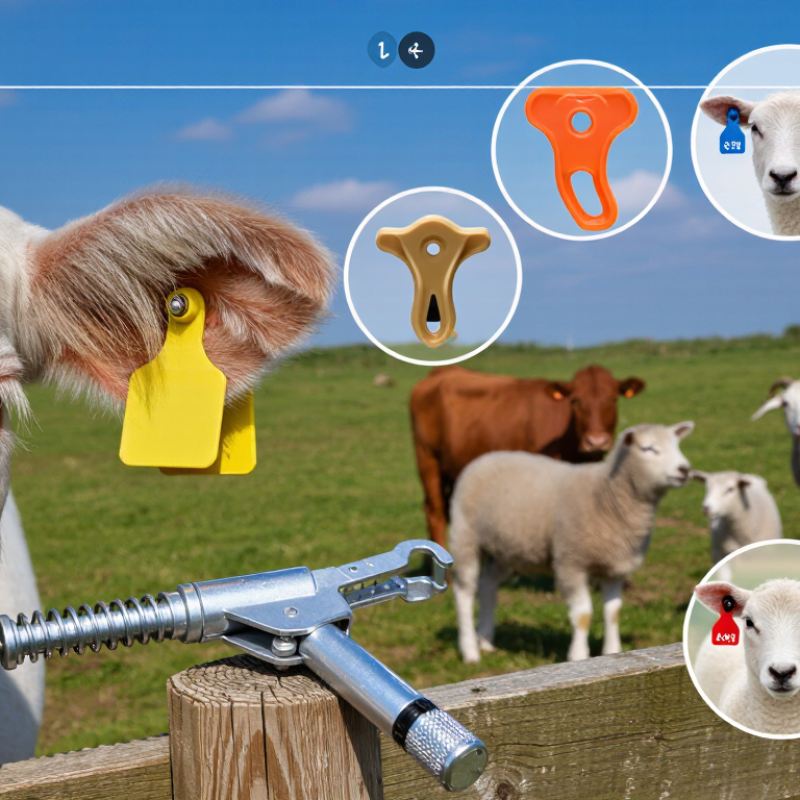
7 Best Animal Ear Tags for Livestock Buyers?

Understanding the Main Types of Livestock Ear Tags

Livestock ear tags generally come in three practical forms: visual panel tags, electronic identification tags, and tissue-sampling tags. Visual tags use large printed numbers or letters, often paired with color to mark age groups or treatment pens. They are easy to read across a crowded race. Dirt and faded ink can make them frustrating, though.

Electronic tags use radio-frequency identification (RFID), usually in a button or panel format. ISO 11784 specifies a 64-bit identification code, and ISO 11785 defines how compatible readers communicate with the tag. USDA APHIS’s 2024 Animal Disease Traceability rule requires official identification that is visually and electronically readable for covered cattle and bison moving interstate, subject to exceptions. That matters. A reader and a tag must work together; buying the wrong format can leave useful-looking data unreadable.

Tissue-sampling tags collect a small ear sample while applying the tag, allowing identification and genetic or disease testing from one animal. They can save handling time, but staff still need a clean sample and careful records. Tag choice should reflect species, herd size, handling conditions, and reader access. A bright tag may be easier to spot, yet visibility alone does not guarantee retention. Check the tag manufacturer’s published retention and reader-compatibility test data, then inspect a few tagged animals after routine handling. Not foolproof.

Comparing Seven Ear Tag Options by Material and Design

Choosing an ear tag means balancing readability, retention, animal comfort, and handling conditions. Flexible thermoplastic polyurethane tags bend under pressure and suit animals moving through brush or crowded pens. They can be easier to handle than stiff tags, though repeated rubbing may still wear printed numbers. Two-piece plastic tags use a male and female panel joined through the ear. Fit matters. Poor placement can irritate tissue or shorten tag life.

Large-panel tags offer room for bold numbers, useful when animals are checked from a distance. Compact button tags are lighter and less likely to snag, but their smaller faces can be harder to read across a pen. Nylon tags provide another lightweight option; check that the material and fastening design match the animal and local climate. Metal tags, often made from aluminum, resist some forms of wear but may be less comfortable if edges are rough or the tag catches.

Electronic RFID tags combine identification with machine-readable data, while still needing a visible number for quick checks. A seventh option is a tamper-resistant design, which aims to reduce accidental loss or removal; it may require a compatible applicator. No design is best everywhere. Compare tag size with ear size, inspect the pin and edges, and follow the fitting instructions. I would also test readability in the actual barn light, not just on a product sheet. That detail is easy to miss.

Matching Ear Tags to Livestock Species and Farm Needs

7 Best Animal Ear Tags for Livestock Buyers?

Matching Ear Tags to Livestock Species and Farm Needs

The best ear tag is the one that stays readable on your animals and fits your recordkeeping routine. USDA NASS estimated 87.2 million cattle and calves, 5.03 million sheep and lambs, and 2.50 million goats in its January 2024 reports. Those different herds call for different tag sizes, shapes, and retention needs. Cattle tags are often larger and easier to read from a distance; sheep and goat tags should be light enough to avoid unnecessary strain on smaller ears. For wet, muddy, or brush-heavy pastures, check how securely the tag fastens and whether its marking remains legible.

Tips: Match the tag to the animal’s age and ear size. Keep a sample on hand, and check it after fitting. Small details matter.

Choose visual tags for quick pen-side identification, or electronic identification when your handling system can read and store the data. ICAR’s guidance for electronic animal identification specifies compatibility with established radio-frequency identification standards; check that tags and readers work together before buying. For a small farm, a clear number and simple ledger may be enough. Larger operations may benefit from linking tag IDs to health and movement records. One thing buyers sometimes overlook: a sophisticated tag cannot fix inconsistent recordkeeping. I’ve seen a tidy system become confusing after one missed entry. Do a trial with a few animals, then review readability and retention before ordering for the whole herd.

Assessing Readability, Durability, and Identification Features

A useful livestock ear tag should remain readable after dust, rain, and routine handling. Compare the print size, contrast, and layout before choosing a design. Large, dark characters are easier to check from a few steps away, especially when animals move through a narrow race. Leave enough space between characters; crowded numbers can blur together. A quick test is to read a sample tag under barn lighting and outdoors.

Durability depends on more than the tag material. Look for flexible edges, sturdy attachment points, and a locking mechanism suited to the animal and expected conditions. A tag that cracks in cold weather or catches on fencing can become hard to read or may be lost. Identification features matter, too: clear numbering, an optional barcode, or space for herd details can support accurate records. Check that the chosen format works with your existing reader and record system. These details are easy to overlook.

Tips: Keep a sample tag near your handling area and check its legibility after cleaning. Record the tag number when it is applied. Fit tags carefully, following the product instructions; even a durable tag can fail if placed poorly.

7 Best Animal Ear Tags for Livestock Buyers? - Assessing Readability, Durability, and Identification Features

This practical comparison covers common ear-tag formats rather than brands. The best choice depends on species, herd-management needs, handling conditions, and applicable identification rules.

Ear Tag Type Visual Readability Durability Considerations Identification Features Typical Fit Buyer Check
Large-panel visual plastic tag Generally easier to read from a distance because the panel provides more room for larger characters. Flexible plastic construction is common. A larger profile may be more exposed to snagging, depending on tag shape and use conditions. Human-readable numbers, letters, or printed codes; no electronic reader is needed. Cattle or other settings where quick visual identification is important. Check character size, contrast, printing method, and whether the panel suits the animal’s species and management system.
Small-panel visual plastic tag Readable at close range, but its smaller characters can be harder to see from farther away. Its more compact profile may reduce exposure to snagging. Longevity still depends on material, application, and handling. Human-readable identification in a smaller format; typically does not require scanning equipment. Herds needing a compact visual tag or a secondary identification marker. Confirm that the printed ID remains legible at the viewing distance used during routine checks.
Visual button-style tag Usually best read close up; the small surface limits character size. Compact shape can be less obtrusive than a large panel, but secure application and suitable placement remain important. Human-readable ID on a small button-shaped tag; visual reading is manual. Small-format identification where a large display panel is unnecessary. Review the available marking area and ensure the code is practical to read during handling.
Electronic identification (EID) button tag Many designs also display a visual number, but electronic identification requires a compatible reader. Electronic performance and physical life depend on the tag design, application, and operating conditions. Contains an electronic transponder for automated reading; some formats pair it with a visible ID. Operations that record animal IDs electronically or need faster data entry. Check reader compatibility, required identification standards, and whether a visible number is also needed.
Electronic identification (EID) panel tag A panel can provide a visible code alongside electronic reading, with readability depending on panel size and print contrast. The larger profile can be more exposed to snagging than a compact button design. Transponder performance is model-dependent. Combines a visual ID area with an electronic transponder in one tag. Systems needing both quick visual checks and electronic data capture. Verify the reader system, tag dimensions, visual-code format, and any applicable official requirements.
Metal identification tag Stamped or engraved characters can be read visually, usually at close range; available marking area may be limited. Metal construction is rigid rather than flexible. Edge finish, attachment method, and suitability for the species should be checked. Typically uses a stamped or engraved code; does not provide electronic identification unless combined with an electronic component. Specific identification systems or applications where a metal format is accepted and suitable. Check local acceptance, safe edges, readable character size, and compatibility with the intended animal and applicator.
Tissue-sampling identification tag Visual readability depends on the tag’s printed or marked ID; the sample itself is not a substitute for a visible code. Tag durability depends on its construction and fit. Sample integrity also depends on correct collection, handling, and storage. Designed to collect a tissue sample during application for laboratory testing, often alongside an animal ID. Programs that require genetic, parentage, or other laboratory-based testing in addition to identification. Confirm the laboratory’s sample requirements, collection procedure, ID matching process, and any applicable animal-identification rules.

Selection note: Readability and durability are relative to tag design and use conditions. For official identification, confirm current local regulations and required tag specifications before purchasing.

Choosing Tags Based on Compliance, Handling, and Cost

For livestock buyers, the best ear tag is not simply the cheapest or easiest to read. It must meet the identification rules for the animal, movement, and destination. In its 2024 Animal Disease Traceability rule, USDA APHIS estimated that about 11 million cattle and bison movements could be affected annually. That figure is U.S.-specific, so confirm local requirements before ordering. Match tag format and numbering to your records.

Handling matters on a busy chute day. A tag that is hard to apply, scan, or read under dust can slow work and invite recording errors. Compare visual tags, electronic tags, and combination tags against your equipment and staff routines. USDA’s 2022 traceability review by the Government Accountability Office also noted challenges with data coordination, a reminder that a readable tag is only part of reliable records. Test a few tags in your own conditions. Ear shape and handling habits vary.

Price the whole system, not just each tag. Include applicators, readers, software, and replacement stock; a low unit price can hide recurring costs. Check whether the material stays legible after rain, rubbing, and months in the field. It is easy to overvalue a tidy specification sheet. Field performance is less tidy, and I would still want to check retention after a season before committing to a large order.