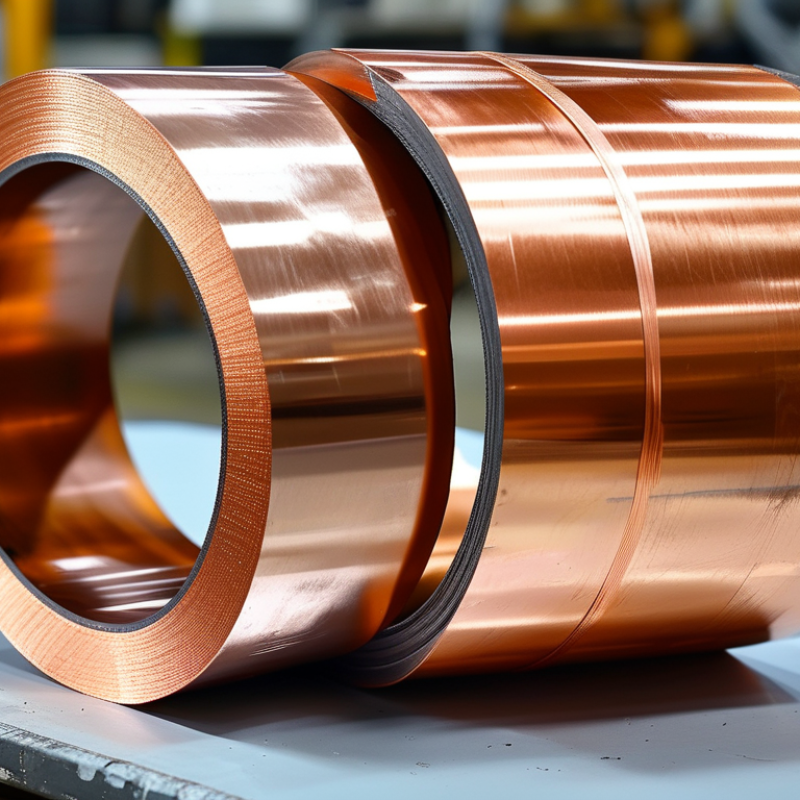
Top Benefits of Using Tinned Copper Strip for Global Buyers?
The choice of materials in manufacturing plays a critical role. Tinned Copper Strip stands out as an essential product for various industries. Its unique properties make it a preferred option for global buyers.
When examining Tinned Copper Strip, one finds it offers excellent corrosion resistance. This feature enhances its longevity in products exposed to harsh environments. Additionally, the material provides reliable electrical conductivity. This is valuable in applications ranging from electronics to renewable energy systems.
However, not all buyers may understand its full potential. Potential drawbacks, such as cost fluctuations, often require careful consideration. Manufacturers must weigh these factors. Embracing Tinned Copper Strip could lead to improved product performance and durability. Ultimately, making informed decisions can lead to beneficial outcomes for buyers in the global market.
Benefits of Tinned Copper Strip in Electrical Applications
Tinned copper strips are gaining traction in electrical applications due to their numerous advantages. These strips are coated with a thin layer of tin, enhancing their resistance to corrosion. According to a report by the International Copper Association, tinned copper can boost longevity by 25% compared to non-tinned counterparts in harsh environments. This makes them ideal for applications like wiring in marine or industrial settings.
Another notable benefit is their superior electrical conductivity. Studies show that tinned copper maintains conductivity levels above 98%, making it a preferred choice for manufacturers. The oxidation protective layer significantly reduces the risk of connection failures. Moreover, the ease of soldering tinned copper enhances its usability, as it allows for more reliable connections.
However, it's essential to consider some drawbacks. While tinned copper offers many positives, the tin layer can introduce issues in specific scenarios, like high-temperature environments. Reports highlight cases where thermal fatigue cracked the tin coat over time. Awareness of these potential complications can guide buyers in making informed decisions. As tinned copper strips become essential in more electrical applications, understanding their benefits and limitations is critical.
Top Benefits of Using Tinned Copper Strip for Global Buyers
| Benefit | Description | Applications | Advantages |
| Corrosion Resistance | Tinned copper strip offers excellent resistance to corrosion, enhancing longevity. | Electrical connections, outdoor applications. | Reduces maintenance costs and downtime. |
| Electrical Conductivity | High conductivity ensures efficient electricity flow in applications. | Wiring, connectors. | Improves energy efficiency. |
| Solderability | The tinned surface allows for better solder adhesion. | Circuit boards, electrical assemblies. | Ensures strong connections in assemblies. |
| Flexibility | Tinned copper strips can be easily bent and shaped. | Custom electrical fittings, diverse applications. | Ideal for complex configurations. |
| Cost-Effectiveness | Relatively low cost compared to other materials with similar performance. | Manufacturing, electrical components. | Reduces overall production costs. |
Tinned Copper Strip’s Role in Enhancing Corrosion Resistance
Tinned copper strips have gained industry attention for their exceptional corrosion resistance. Corrosion is a major concern in many applications, especially in marine and industrial environments. Research shows that tinned copper can double the lifespan of electrical connections in harsh conditions. This makes it a preferred choice for global buyers looking for durability and reliability.
The tin coating on the copper strip serves as a barrier. It prevents oxidation and other corrosive reactions. According to a report by the International Journal of Corrosion, copper can corrode at a rate of 10-20 micrometers per year in saline environments. However, tinned copper strips significantly mitigate this risk, keeping the underlying copper intact for much longer. This enhances performance in electronics, ensuring long-term conductivity.
Using tinned copper strips can also lead to cost savings. Reduced maintenance and repair costs are crucial for industries that rely on high-quality materials. Yet, it’s essential to evaluate the specific requirements of a project. Not every application will benefit equally from tinned copper. A careful assessment is necessary to make an informed choice.
Cost-Effectiveness of Tinned Copper Strip for Global Manufacturing
Tinned copper strips are gaining attention in global manufacturing. Their cost-effectiveness is a key factor driving this trend. These strips are coated with tin, which enhances their resistance to corrosion. This property ensures longer usability, reducing replacement costs over time.
Using tinned copper strips can lead to significant savings in production. They require less maintenance, which further cuts down expenses. Global buyers appreciate the reduced downtime when using these materials. However, manufacturers must consider sourcing quality strips. Poor quality can negate the advantages and lead to unexpected costs.
Despite the benefits, there are challenges. Not all suppliers meet the same quality standards. Buyers need to evaluate their sources carefully. The potential for defective strips exists, which poses a risk to manufacturing efficiency. Striking the right balance between cost and quality requires diligence.
Thermal and Electrical Conductivity Statistics of Tinned Copper Strip
Tinned copper strips are gaining recognition for their exceptional thermal and electrical conductivity. Copper, in general, has high electrical conductivity, rated at 58 x 10^6 S/m (Siemens per meter). Tinned copper enhances this conductivity, providing reliable performance in various industrial applications. According to industry statistics, tinned copper strips exhibit a thermal conductivity of approximately 390 W/mK. This makes them ideal for heat dissipation in electronic devices.
When selecting materials, buyers should consider the strip's corrosion resistance. Tinned surfaces offer improved durability against oxidation, which is crucial for long-term applications. It's essential to choose the right thickness and size for specific tasks. Standard tinned copper strips typically range from 0.1 mm to 5 mm in thickness. The choice directly impacts both conductivity and structural integrity.
Tip: Always consult with industry experts to assess your specific needs. Understand the environmental conditions your materials will face. Conduct thorough testing to ensure the selected copper strip meets your operational demands. Keep in mind that variations in manufacturing can affect conductivity and durability. Regular evaluations of your materials can prevent costly failures down the line.
Thermal and Electrical Conductivity of Tinned Copper Strip
Industry Trends: Increasing Demand for Tinned Copper Strip Solutions
The demand for tinned copper strips is on the rise globally. Recent industry reports indicate a projected compound annual growth rate (CAGR) of around 5.4% in the tinned copper market from 2022 to 2030. This growth is largely driven by the booming electronics and automotive sectors. Manufacturers report experimenting with various grades of tinned copper to meet specific industry needs. Tinned copper’s superior corrosion resistance is particularly appealing for applications in humid environments.
In addition to electronics, the renewable energy sector is significant. Tinned copper strips are crucial for solar panel connections. As countries shift towards greener technologies, this demand is expected to escalate. Industry analysts suggest that by 2025, renewable energy applications could account for nearly 35% of tinned copper usage. However, challenges remain. Supply chain disruptions and fluctuating raw material prices create uncertainty. Buyers must navigate these complexities carefully.
Another consideration is the environmental impact of production processes. Manufacturers are exploring eco-friendly tinning methods. Feedback indicates that sustainable practices can enhance brand loyalty. However, balancing eco-friendliness while maintaining performance can be tricky. Continuous improvement is necessary as the industry evolves.